Jordan's armed forces stated Monday evening that they had successfully intercepted and shot down three Iranian missiles, an incident that immediately drew regional attention. The missiles were reportedly downed by the Jordanian military as they traversed the kingdom's airspace. The announcement came as regional tensions continued to be a significant focus for countries like Jordan, which shares a border with several nations in the volatile Middle East. The military did not provide further details regarding the precise trajectory or the intended ultimate targets of the missiles, nor did they specify the exact locations where the interceptions occurred within Jordanian airspace. This action by the Jordanian military shows the kingdom's proactive stance in safeguarding its territorial integrity and national security in a complex geopolitical environment.
Missile Incident Details
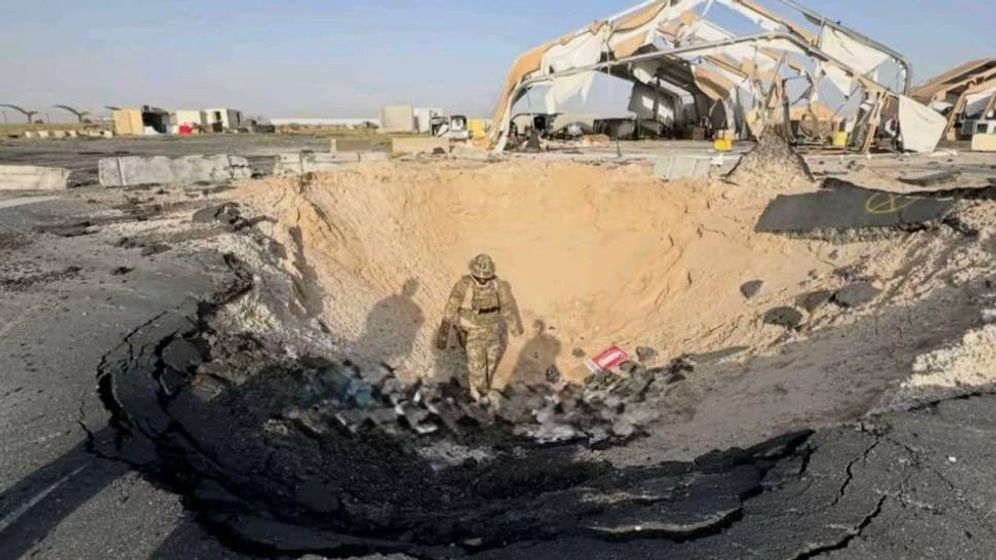
Crucially, there had been no material damage or casualties reported as a direct result of the interceptions, according to official statements from the Jordanian military. The successful downing of the missiles by Jordanian forces effectively prevented any impact on the ground within the kingdom's borders. This positive outcome was confirmed in statements released following the incident, providing reassurance regarding the efficacy of Jordan's defense capabilities. The military emphasized that its air defense systems effectively neutralized the threat posed by the projectiles, demonstrating a high level of preparedness and operational capability. Further details regarding the specific types of missiles intercepted or their intended flight paths were not immediately disclosed by the authorities. The armed forces reiterated their unwavering commitment to protecting the kingdom's sovereignty and the safety of its citizens against any external threats.
Official Statements
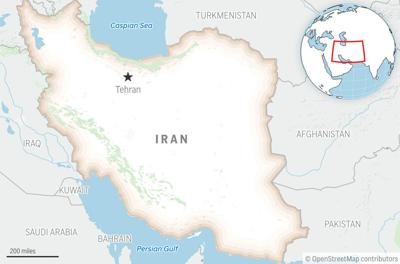
There was no immediate comment or official word from Iran regarding the missile interceptions, leaving many questions unanswered about the origin and purpose of the projectiles. The incident occurred as regional attention remains intensely focused on the broader geopolitical landscape, particularly given the ongoing dynamics between various state and non-state actors in the Middle East. The lack of immediate response from Tehran adds to the uncertainty surrounding the event. Further official statements or reactions from involved parties are anticipated by July 20, 2026, as the situation continues to develop and more information potentially becomes available. The international community, including diplomatic observers, will be closely monitoring any forthcoming declarations that could shed light on the incident's implications.
Regional Context
The incident involving Jordanian military interceptions shows the ongoing volatility and inherent instability in the wider Middle East. Jordan, with its capital Amman, is strategically located in a region frequently impacted by significant geopolitical developments and security challenges. The country shares extensive borders with several nations, making regional stability a critical concern for its leadership and defense planning. The events also highlight the persistent tensions that can arise between states, particularly in relation to actions by countries such as Iran, which has been a central figure in various regional conflicts. These developments are closely monitored by international news agencies like the Associated Press, which often report on the intricate dynamics shaping the area and the responses of regional powers. Jordan has consistently emphasized its commitment to protecting its airspace and national security interests, proactively responding to any perceived threats.
Impact and Response
The successful interceptions by the Jordanian military prevented any reported material damage or casualties within Jordan, a testament to the effectiveness of its defense systems. This decisive action showed the kingdom's unwavering commitment to protecting its airspace and national security interests, particularly given its strategic location at a regional crossroads. The incident occurred amidst broader regional tensions, drawing considerable attention to the complex dynamics between countries like Jordan and Iran. Observers, including prominent international news organizations such as the Associated Press, continue to monitor developments from Amman and across the wider Middle East, as the region remains highly sensitive to such security events. Official responses from Iran regarding the downed missiles have not yet been issued, contributing to the ongoing suspense surrounding the incident's full implications for regional stability.