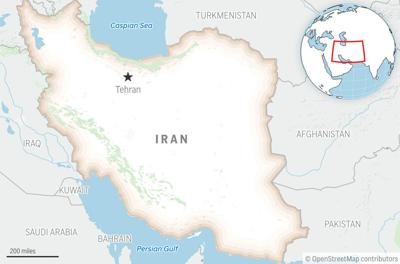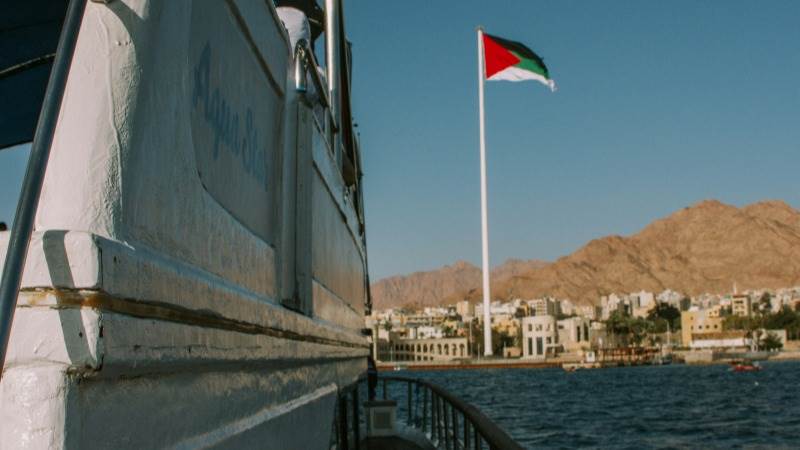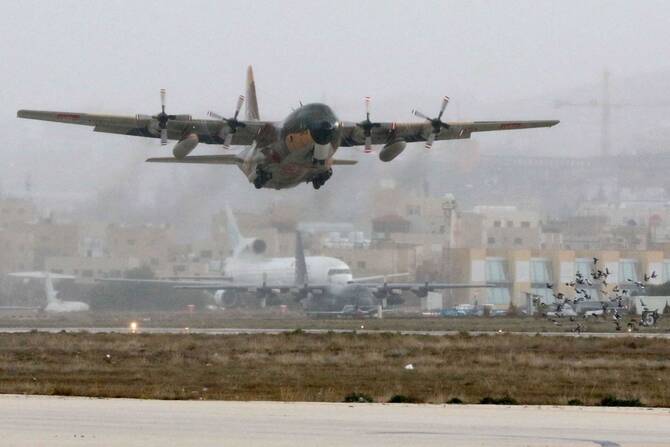
Jordanian forces intercepted an Iranian missile fired towards the city of Aqaba on July 19, 2026, at approximately 10:00. The missile was reportedly targeting the Red Sea port city, which borders Israel's city of Eilat. This incident marks an escalation in regional tensions, raising concerns about the stability of the broader Middle East. While details on the missile's specific origin beyond "Iranian" were not immediately provided, the event shows the ongoing volatility in the region. The interception notes the advanced defensive capabilities deployed by Jordanian forces in response to perceived threats.
Missile Interception Details
Minutes before the interception, the Israeli military reported detecting missiles launched from Iran towards Aqaba. This detection triggered immediate alerts and defensive preparations. The military also warned of the possibility of "spillover" into Israeli territory as a result of the launches, indicating the proximity of the threat and the shared security concerns between Jordan and Israel.
The Jordanian military confirmed it had successfully downed "three Iranian missiles that targeted the kingdom's territory." This statement provided specific details about the number of projectiles intercepted within Jordanian airspace. A fourth missile reportedly fell in a deserted area, according to military statements, suggesting a broader barrage that did not all reach populated targets. The coordinated response by Jordanian forces demonstrates their readiness to defend the kingdom's sovereignty and its strategic assets.
Earlier, the Jordanian government denied reports suggesting authorities had ordered the evacuation of Aqaba’s airport and seaport. These reports had emerged after the US embassy stated that the facilities had been evacuated due to a “credible threat.” The government's denial aimed to reassure the public and counter potential misinformation regarding the security situation in the vital port city. The US embassy's statement, however, showed the seriousness with which international partners viewed the potential threat.
Regional Tensions and US Casualties
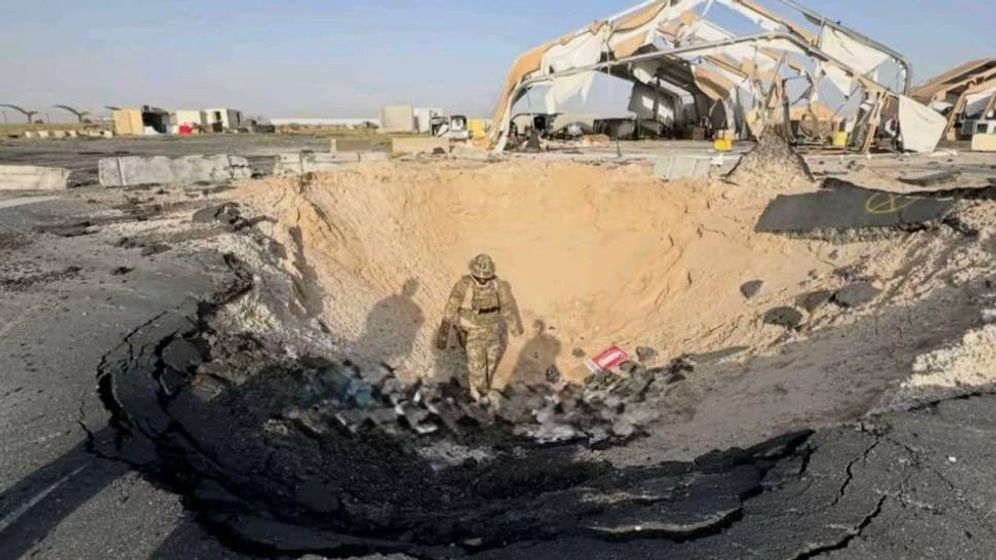
The US embassy’s statement regarding the evacuation of Aqaba facilities followed an announcement by the US military that detailed casualties from recent Iranian actions. This context is key for understanding the heightened state of alert. Two US service members were killed in Jordan, and one service member went missing, after a barrage of Iranian strikes on Friday. These tragic incidents show a period of profound regional volatility and highlight the human cost of escalating tensions. The presence of US forces in the region and their involvement in defensive operations further complicates the geopolitical landscape.
Jordanian authorities have consistently reported their efforts to repel aggressions emanating from Iran. The kingdom has repeatedly announced that it has countered Iranian attacks in recent days, indicating a sustained pattern of defensive operations aimed at protecting its borders and population. These actions highlight the ongoing security challenges faced by Jordan amid broader regional tensions, as it navigates complex threats from various actors. The continuous reporting of these defensive measures by Amman emphasizes the persistent nature of the security environment.
Official Statements and Denials
The Israeli military reported that Israeli and Jordanian forces intercepted an Iranian missile aimed at the Jordanian city of Aqaba on Sunday. This joint interception shows the collaborative security efforts in the region. This interception occurred as air raid sirens were activated in the Jordanian capital, Amman, and other parts of the kingdom, indicating a widespread alert system in response to the perceived threat. The activation of sirens across multiple locations suggested that the missile launches were not isolated incidents but part of a broader, coordinated action. The incident is part of ongoing developments, with reports last updated on July 19, 2026, at 16:38. Authorities have not yet released specific details regarding the number of interceptions made in Amman or other areas, or the specific targets of those additional threats. The total number of missile-related incidents or interceptions reported in the region stands at 675, reflecting the intense and frequent nature of these security challenges.