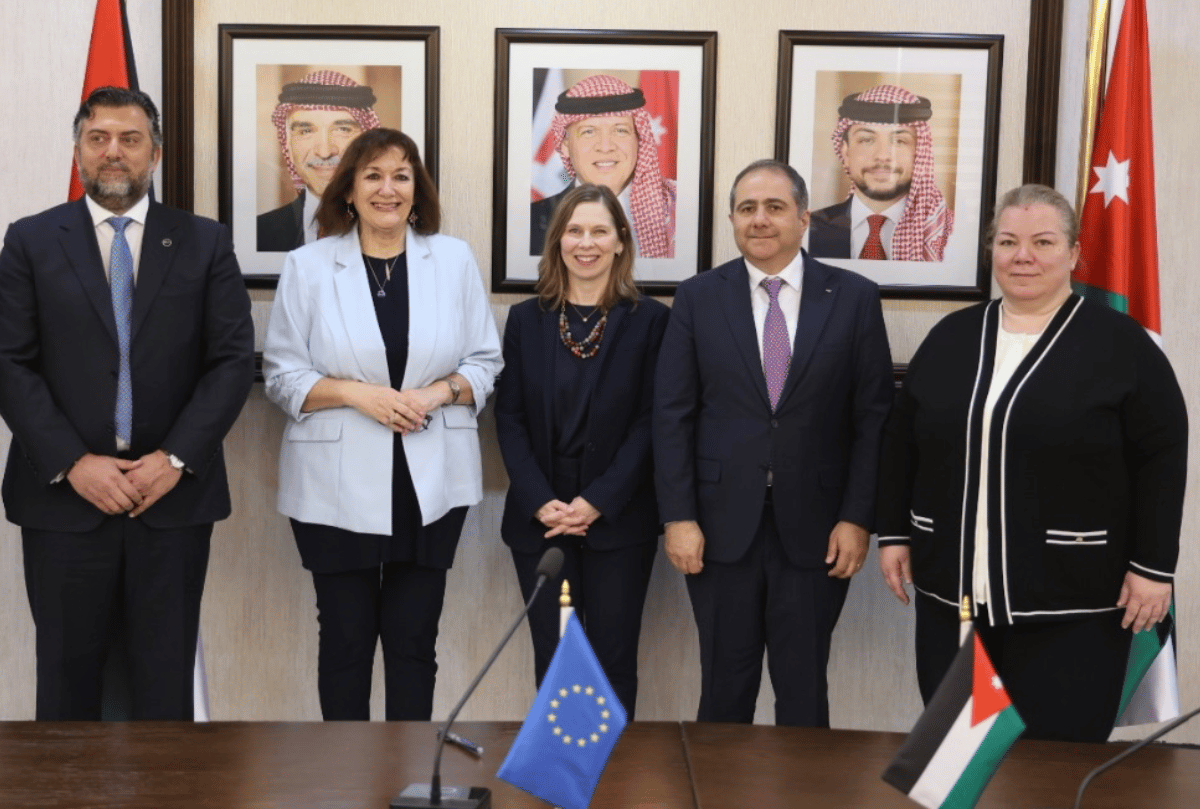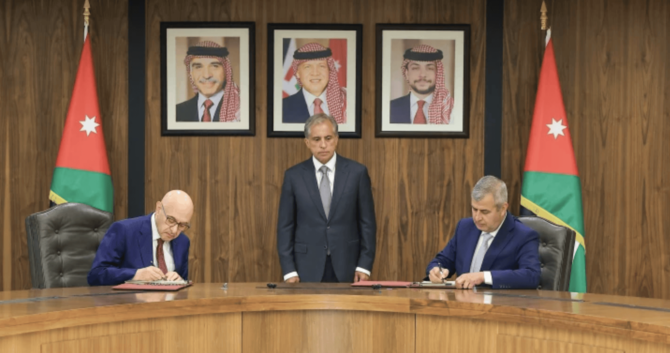
Jordan has initiated a follow-on I-FIN project aimed at enhancing inclusive green finance for Micro, Small, and Medium Enterprises (MSMEs). This significant undertaking, officially known as the I-FIN project, represents a concerted effort to foster sustainable economic growth within the Kingdom. The announcement regarding this key initiative and the inaugural steering committee meeting for this new commission were held at the Central Bank of Jordan (CBJ) in Amman, marking the official commencement of its operations. The project is jointly financed by Germany, through the Federal Ministry for Economic Cooperation and Development (BMZ), and the Netherlands, noting a strong international commitment to Jordan's green economic transition. This collaborative international funding shows the importance placed on developing sustainable financial mechanisms. It specifically supports financial service providers in developing and offering inclusive green financial products tailored for MSMEs, addressing a critical need in the Jordanian market.
Project Goals and Scope
The follow-on commission will intensify its focus on inclusive green finance and international climate finance, according to project details released during the announcement. This stronger emphasis reflects an evolving understanding of the interconnectedness between financial inclusion and environmental sustainability. A key objective of the initiative is to strengthen the Central Bank of Jordan’s (CBJ) regulatory and supervisory framework specifically for inclusive green finance. This enhancement is designed to create a more supportive and strong environment for financial institutions to innovate and offer relevant products, ensuring stability and integrity within the nascent green finance sector. By bolstering the CBJ's capacity, the project aims to establish clear guidelines and oversight mechanisms that will facilitate the responsible growth of green financial services.
The project also aims to build the capacities of Micro, Small, and Medium Enterprises (MSMEs), with a particular emphasis on those led and owned by women. This targeted approach acknowledges the vital role women entrepreneurs play in economic development and seeks to empower them further within the green economy. By improving these MSMEs' understanding and readiness regarding green financial products and sustainable business practices, the initiative seeks to facilitate their access to and effective use of inclusive green financial products. This dual approach addresses both the supply side, through regulatory improvements and financial service provider support, and the demand side, by empowering MSMEs to engage more effectively with green financial offerings. The project's concentrated effort on green and climate finance reflects a strategic pivot towards sustainable economic development within Jordan's MSME sector, recognizing that these enterprises are key drivers of job creation and economic resilience. The project specifically strengthens financial service providers’ understanding of international climate finance and their climate finance readiness, equipping them with the expertise to navigate and leverage global funding opportunities for green initiatives.
Context and Past Successes
The new project has a substantial total budget of 14 million euros, building significantly on previous efforts to bolster financial inclusion and sustainable development. This considerable investment shows the commitment of the funding partners to Jordan's long-term economic and environmental goals. The preceding commission, which operated from 2021 to 2025, laid key groundwork and significantly contributed to the financial landscape for Micro, Small, and Medium Enterprises (MSMEs) in Jordan. During its operational period, that commission provided direct and indirect support to more than 1,600 MSMEs across various sectors, demonstrating a wide reach and tangible impact on the enterprise ecosystem. The assistance focused on enhancing their capacities and improving their access to essential financial resources, which are often a major hurdle for smaller businesses.
Additionally, the previous commission was instrumental in fostering innovation within the financial services sector, facilitating the development of over 20 distinct financial products. These innovative products were meticulously designed to cater specifically to the diverse and evolving needs of MSMEs, expanding their options for financing, investment, and growth. Such advancements are particularly relevant given the economic structure of Jordan, where MSMEs constitute a significant and foundational portion of the business environment. These enterprises represent more than 90 percent of all businesses operating within the country, making their financial health and sustainability critical for national economic stability and growth. The success of the prior phase provides a strong foundation for the expanded scope and ambitious targets of the follow-on project.
Partnership and Vision
The Deutsche Gesellschaft für Internationale Zusammenarbeit (GIZ) implements the project in close cooperation with the Central Bank of Jordan (CBJ), ensuring that the initiative is well-integrated into the national financial strategy and regulatory framework. This collaborative effort shows the shared commitment to advancing inclusive green finance within the Hashemite Kingdom, leveraging both international expertise and local knowledge. The follow-on commission is scheduled to operate from 2025 to 2029, establishing a multi-year framework for its objectives and allowing for sustained strategic interventions and long-term impact. This extended timeframe provides ample opportunity to embed green finance principles deeply within the financial sector.
The project aims to significantly strengthen financial service providers' understanding of international climate finance and their readiness to engage with it. This focus is intended to equip these institutions with the necessary knowledge, tools, and strategic insights to develop and offer green financial products effectively, aligning local efforts with global climate finance trends. Micro, Small, and Medium Enterprises (MSMEs) in Jordan currently face limited access to finance, which is further exacerbated by escalating energy costs, posing significant operational and financial challenges. These financial challenges are compounded by climate-related pressures, notably water scarcity, which impacts their operational sustainability, particularly in sectors like agriculture and manufacturing. By addressing these intertwined issues through dedicated financial products and capacity building, the project seeks to build a more resilient and environmentally conscious MSME sector in Jordan.