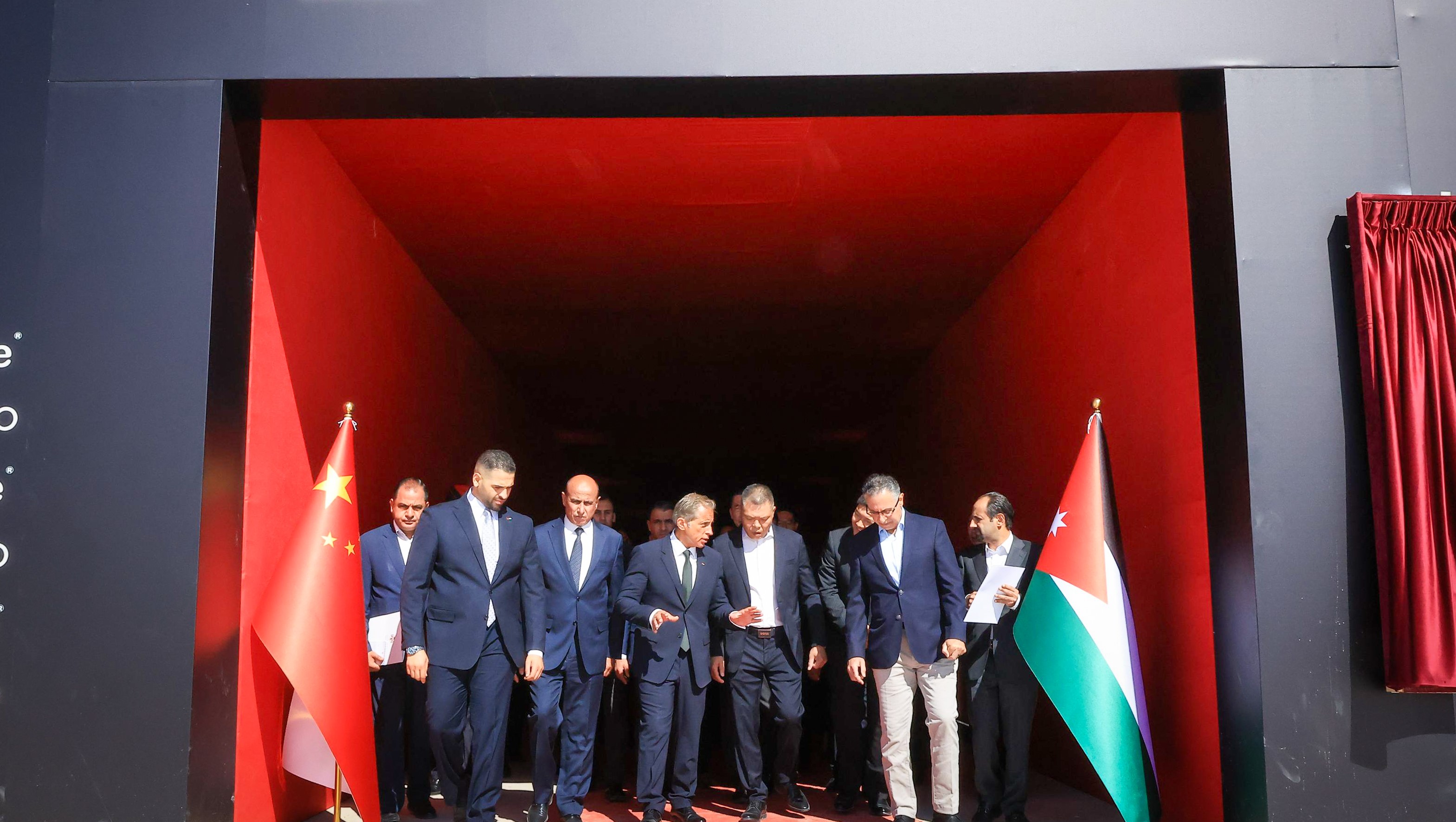
The Jordanian government has announced the extension of a full package of public spending rationalization measures, signaling a continued commitment to fiscal prudence. These measures are a central component of a broader fiscal policy specifically designed to reprioritize public spending across the nation. The overarching aim of this policy is to direct vital funds towards essential basic services, critical infrastructure projects, and strong social protection programs, ensuring that government expenditure delivers maximum benefit to the Jordanian populace. The decision shows the government's proactive approach to managing its financial resources in a challenging economic climate.
Rationalizing Official Expenditures
A key aspect of the extended measures includes maintaining stringent restrictions on official travel abroad for government employees and delegations. These limitations are not merely advisory but specify that international travel is permitted only in exceptionally essential cases and requires explicit prior approval to proceed, thereby curbing discretionary outlays. Concurrently, the measures continue the rigorous review of expenditures within official institutions across Jordan. This ongoing review is designed not only to identify and reduce unnecessary operational expenses but also to strengthen the overall oversight of administrative spending throughout all public sector bodies. By meticulously scrutinizing departmental budgets and spending patterns, the government aims to foster greater efficiency and accountability in the use of public funds. This persistent focus on administrative cost-cutting reflects a strategic effort to optimize resource allocation and ensure that every dinar spent contributes directly to national priorities.
Economic Context and Rationale
The decision to extend these public spending controls occurs amid a persistently challenging economic environment in Jordan. The country is currently experiencing a rising cost of living, which places significant and increasing strain on households across various income brackets. Simultaneously, the government faces considerable pressure on public budgets, necessitating careful and strategic management of financial resources to maintain stability and deliver essential services. Further complicating the economic outlook are fluctuating revenue streams, which impact the government's ability to reliably fund essential services, development projects, and social welfare initiatives. These multifaceted factors collectively show the compelling rationale behind the continued emphasis on rationalizing expenditures and rigorously reprioritizing public spending. The measures are specifically intended to help the government navigate these complex fiscal challenges by ensuring that financial resources are allocated efficiently and effectively to core areas such as basic services, infrastructure development, and vital social protection programs. This strategic approach is key for maintaining economic stability and supporting the well-being of citizens.
Monitoring and Future Outlook
The Jordanian government is regularly monitoring the results of its public spending policies and carefully assessing their impact on government institutions and the national economy. This continuous oversight allows authorities to gauge the effectiveness of the rationalization measures in achieving their fiscal objectives. Estimates suggest that these spending cuts may continue for the foreseeable future as authorities assess their long-term effectiveness and adapt to evolving economic conditions. Potential adjustments to the current measures could occur if economic indicators show significant improvement, signaling a stronger fiscal position. Similarly, the government may revise its approach if new financial alternatives or sustainable revenue streams become available to support public sector operations without compromising fiscal discipline. This ongoing oversight shows a firm commitment to adaptive fiscal management, ensuring that Jordan's financial policies remain responsive and resilient in the face of its evolving economic landscape. The government's proactive stance aims to balance necessary austerity with the imperative to foster sustainable growth and social welfare.