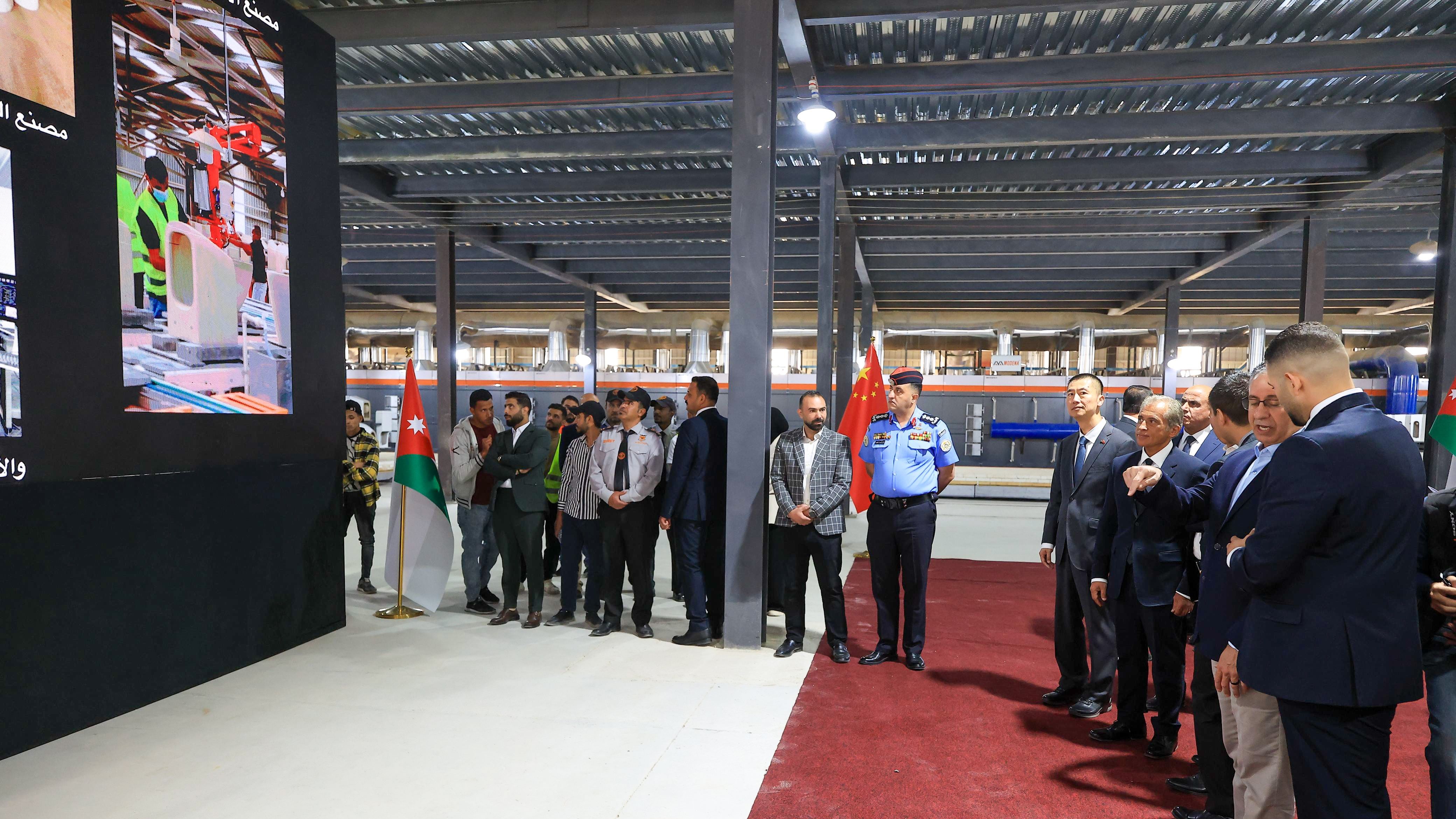
Jordan’s national exports experienced a modest increase of 1.6% during the first quarter of 2026, reaching a total value of JD2.129 billion. This growth reflects ongoing shifts in the Kingdom's trade balance, noting the resilience of domestically produced goods in the international market. The positive performance of national exports is a key indicator amidst broader changes in global trade dynamics affecting the region.
Export Performance Details
The country's total exports, which include both national products and re-exported goods, reached JD2.690 billion during the first three months of 2026. This figure marked a slight 0.4% decline when compared to the corresponding period in the first quarter of 2025. This marginal contraction in overall outbound trade was largely influenced by the performance of re-exports. Re-exports, which involve foreign goods previously imported into Jordan and then sent to another country, saw a more significant reduction during this period. This category decreased by 7.1%, totaling JD561 million during the same period. The overall export performance, therefore, indicates a marginal contraction in the broader outbound movement of goods, primarily influenced by the decrease in re-exported commodities, even as national exports demonstrated growth. This distinction shows the importance of domestic manufacturing and production in driving the Kingdom's export revenue. The growth in national exports suggests a strengthening of Jordan's own industrial and agricultural output finding markets abroad.
Trade Balance and Imports
Jordan's trade deficit narrowed to JD1.907 billion during the first quarter of 2026, marking a reduction of JD128 million compared to the same period in the previous year. This positive shift in the trade balance was primarily influenced by a notable decrease in the value of imports. The country's total imports fell by 2.9%, reaching JD4.597 billion during the first three months of 2026. This decline in inbound goods contributed significantly to the improved trade balance, despite the modest growth in national exports and the slight overall dip in total exports. The reduction in the trade deficit indicates a more favorable balance between the goods and services Jordan imports and those it exports, which can have positive implications for the national economy. This narrowing of the deficit points to a more sustainable trade position for the Kingdom in the short term.
Key Market Growth
Jordan's exports to the European Union experienced a substantial increase, surging by 72.3% during the first quarter of 2026. This significant growth notes the strengthening trade ties between Jordan and the EU market, representing a successful diversification of export destinations for the Kingdom. The increase in export volume and value to European nations contributed positively to Jordan's overall export performance, despite broader shifts in other trade categories and a general decline in re-exports. This expansion into the EU market represents a key area of growth for Jordanian goods and services, indicating strategic success in tapping into new and established international markets. The substantial rise in trade with the EU shows the potential for further economic cooperation and the competitiveness of Jordanian products within European economies.
Broader Economic Context
Jordan's overall economic performance remained stable in the early part of the year, providing a steady foundation for future growth. This stability is reflected in the modest growth of national exports, even as the country navigates shifts in its trade balance and import figures. The slight decline in total exports was largely mitigated by the growth in national products, indicating resilience in specific sectors of the Jordanian economy. While re-exports saw a decrease, the consistent performance of domestic goods helped maintain a steady economic outlook for the first quarter of 2026. The narrowing trade deficit further contributed to this assessment of stability, supporting the Kingdom's economic position amidst global trade dynamics. This consistent performance in key economic indicators suggests that Jordan is effectively managing its trade relationships and domestic production to maintain economic equilibrium.