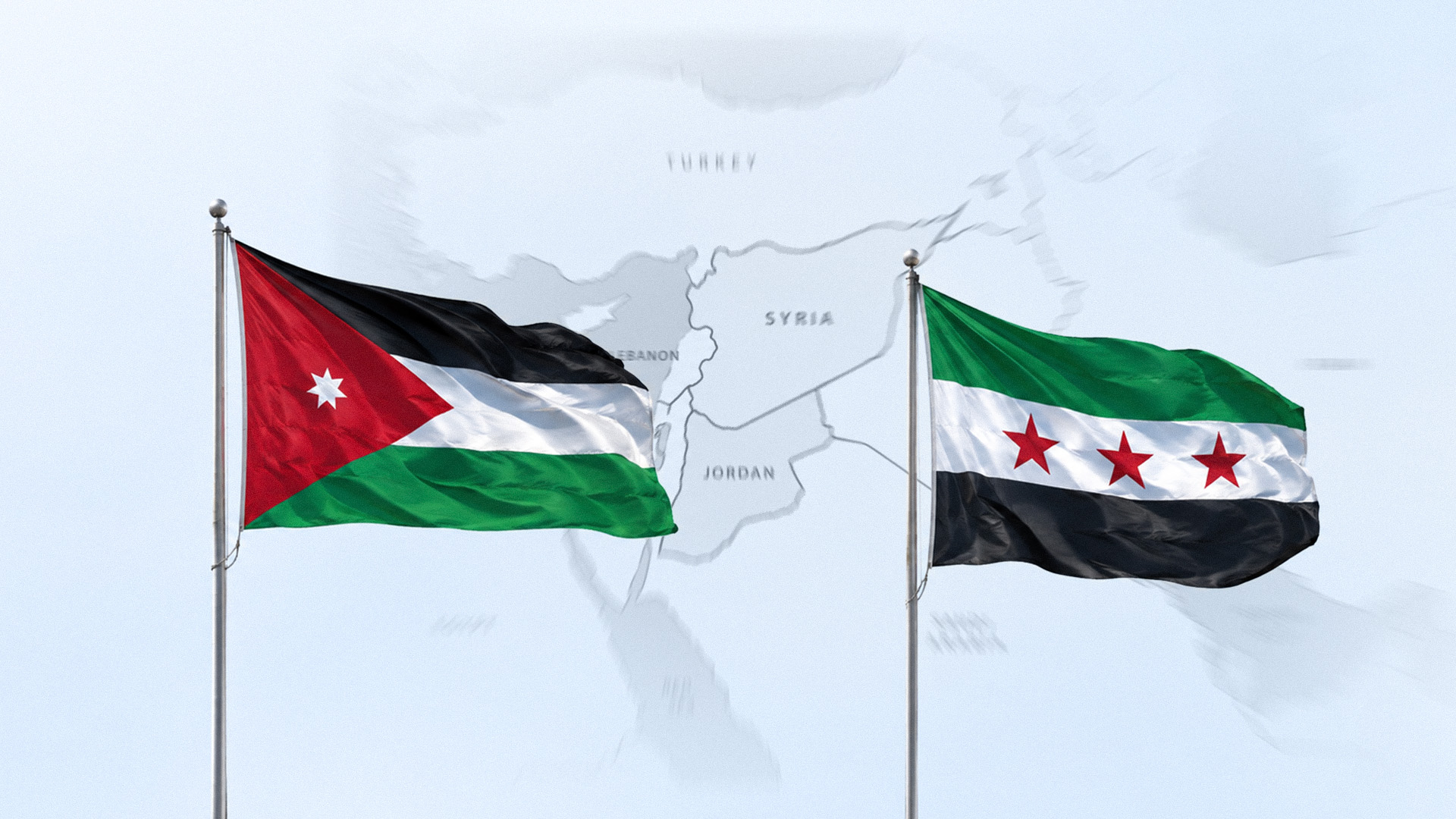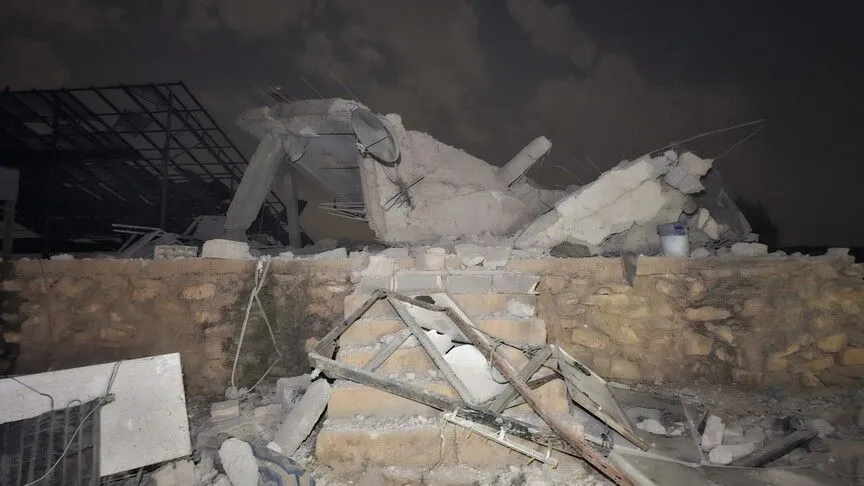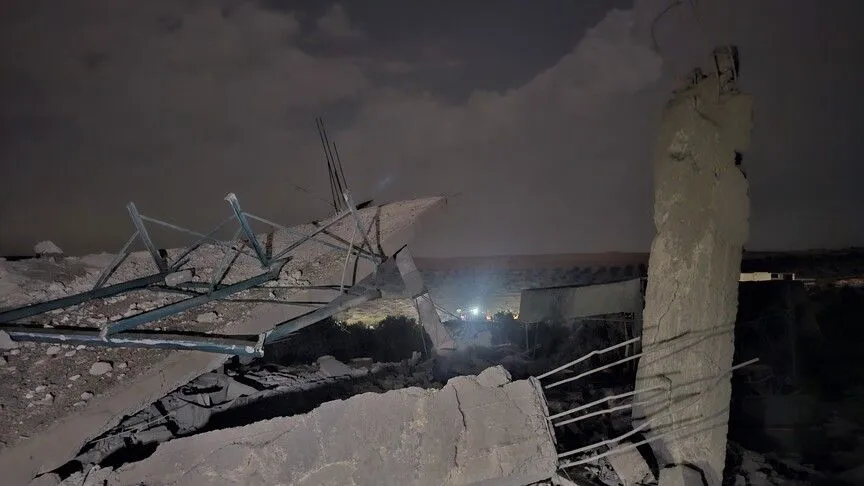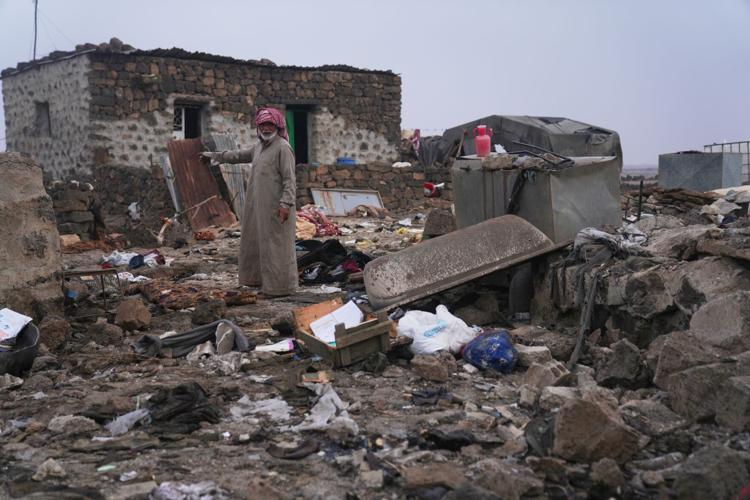
Jordan and Syria agreed on 27 October 2026 to establish a joint committee to investigate Jordanian airstrikes that killed civilians in Syria. These airstrikes were carried out on the evening of 26 October 2026. Syria’s Foreign Ministry characterized the military action as an "unacceptable violation and encroachment." In a joint statement, the Syrian and Jordanian foreign ministers announced they would "develop mechanisms for field and intelligence coordination to deal with terrorist threats in a manner that ensures the preservation of Syrian sovereignty and the protection of the lives of innocent civilians." Both countries intend for this committee to address the security concerns that precipitated the strikes while preventing further civilian casualties in the border region.
Retaliation for Karak Church Attack
Jordanian officials launched the airstrikes on 26 October 2026 as a direct response to a violent assault on a Greek Orthodox Church in Karak. That attack, which occurred the previous week, resulted in the deaths of nine people. Jordanian authorities confirmed the subsequent arrest of three gunmen identified as participants in the church incident. These security operations remain a primary focus for Amman as it coordinates with Damascus to manage border stability. By detaining the suspects, the government aims to address the internal security challenges that preceded the military engagement in Syria. The joint committee now incorporates these investigations into its broader mission to manage intelligence sharing and prevent future cross-border violence while maintaining established diplomatic relations with the Syrian government.
Conflicting Reports on Casualties
Jordanian officials stated that the airstrikes conducted on 26 October 2026 resulted in the deaths of approximately 20 Islamic State militants. These figures represent the assessment provided by Amman regarding the military engagement in the border region.
Syrian authorities provided a different account of the casualties, reporting that seven people were killed in the strikes. According to Damascus, the majority of these individuals were women and children. The conflicting reports on the death toll reflect the divergent perspectives held by the two nations following the military operations. Syria's Foreign Ministry maintained that the state must "obstruct any efforts to destabilize the two countries’ security and spill the blood of its people." The joint committee now faces the task of reconciling these disparate casualty counts as part of its mission to manage intelligence sharing and investigate the events of 26 October 2026.