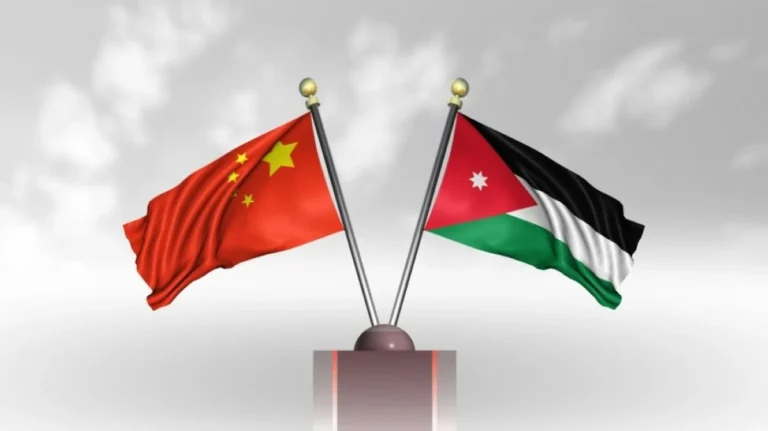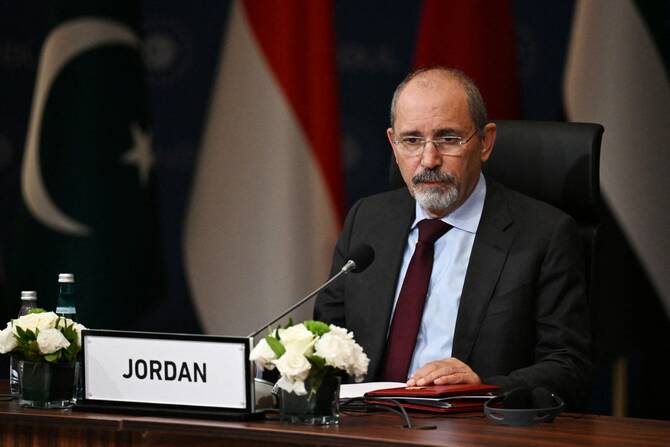
Jordanian Deputy Prime Minister and Foreign Minister Ayman Safadi expressed a strong willingness to enhance cooperation with China, stating that the Palestinian issue remains the core concern in the Middle East. Safadi noted Jordan's appreciation for China's stance on the matter, showing the deep significance of this issue for regional stability and peace. "We appreciate China’s clear position within this framework. China supports the two-state solution, and China supports a just and full resolution to the Palestinian issue. This is a position we respect," Safadi said, adding, "We also look forward to China being part of and playing a role in advancing efforts to achieve this solution." He further emphasized the importance of dialogue based on international law as the bedrock for any sustainable peace.
Diplomatic Pillars for Peace
The cooperation between Jordan and China is designed to promote the two-state solution and address regional issues through dialogue and diplomacy. This strategic alignment reflects a shared vision for resolving complex geopolitical challenges through established international frameworks. Jordanian Deputy Prime Minister and Foreign Minister Ayman Safadi highly commended China’s clear and principled stance on the Palestinian issue, according to reports. He emphasized Jordan's appreciation for China's consistent support for a just and full resolution, noting that such support is key for fostering a peaceful environment. The collaborative efforts seek to advance a framework for peace in the Middle East, aligning with both nations' diplomatic priorities and contributing to broader international stability. This partnership aims to leverage diplomatic channels to achieve tangible progress towards a lasting resolution.
Royal Visit and Bilateral Ties
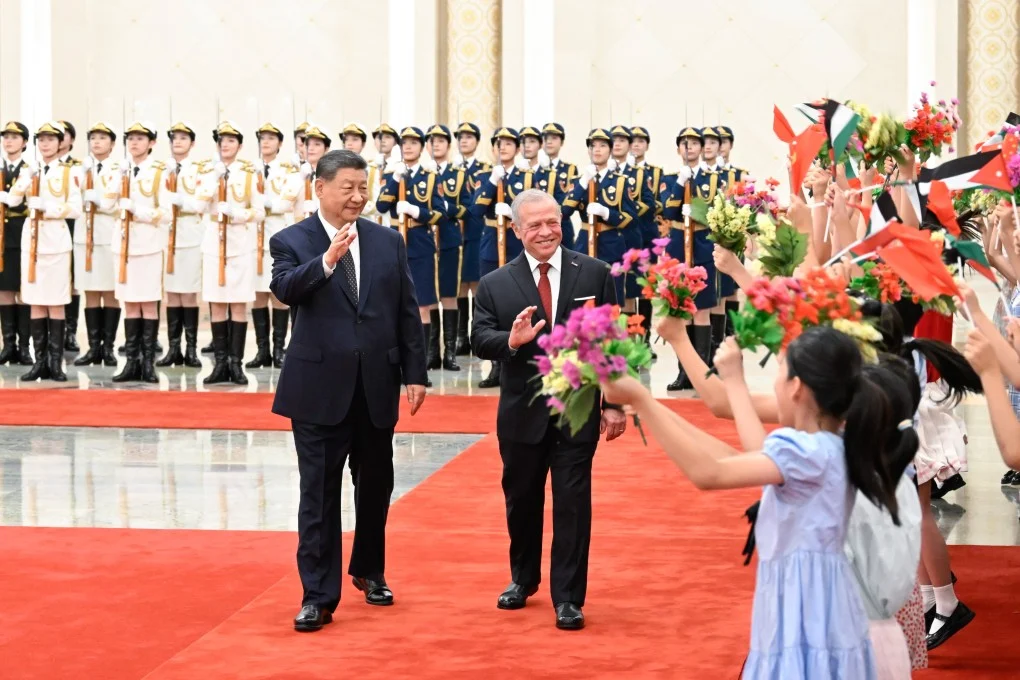
Jordanian Deputy Prime Minister and Foreign Minister Ayman Safadi is accompanying King Abdullah II on a visit to China, aiming to strengthen diplomatic and economic ties between the two nations. This high-level visit shows the importance both countries place on their bilateral relationship and their shared objectives. Safadi expressed optimism regarding bilateral cooperation with Beijing, particularly concerning regional peace efforts and the collective pursuit of stability. He stated, "We look forward to cooperating with China, which plays an important role in achieving this goal, achieving a just peace that guarantees the rights of all parties, brings security and stability, and ultimately drives economic development so that all peoples of the region can live with dignity and security." Safadi also emphasized the foundational principles for such engagement, which he believes are indispensable for any meaningful progress. "In general, we always want to resolve conflicts through dialogue and diplomacy. But the basis for this dialogue must be international law, international humanitarian law, the UN Charter, and international legitimacy resolutions, while respecting the principles of good-neighborliness and non-interference in internal affairs. This is the framework we follow to achieve security and stability."
Regional Conflict Resolution
Jordanian Deputy Prime Minister and Foreign Minister Ayman Safadi stressed that any dialogue for conflict resolution must be anchored in specific international principles to ensure fairness and legitimacy. Safadi emphasized that the foundation for such discussions must be international law, which provides a universal framework for state conduct, alongside international humanitarian law, which protects individuals during armed conflict. He further noted the critical role of the UN Charter, the foundational treaty of the United Nations, and international legitimacy resolutions, which reflect the consensus of the international community. He further noted the importance of respecting the principles of good-neighborliness and non-interference in internal affairs, which are essential for fostering trust and preventing escalation. This full framework, according to Safadi, is essential for achieving security and stability in the region, ensuring that peace efforts are built on a solid and equitable foundation.
Publication Details
The article was published by Reuters on August 24, 2026, at 09:52. An update to the report was made shortly after, on August 24, 2026, at 09:53, according to the news agency. The broader article detailing these developments is 221 words in length.