China and Jordan have jointly called for the reopening of the Strait of Hormuz to international shipping, urging the global community to ensure the waterway's accessibility. The two nations also emphasized the importance of maintaining the ceasefire between the United States and Iran, according to statements released by both governments. This dual appeal from Beijing and Amman notes significant international concerns over maritime security in the critical shipping lane, which is vital for global energy supplies and international commerce. The call shows diplomatic efforts to de-escalate tensions in the region and facilitate unhindered passage for vessels traversing the Strait of Hormuz, a waterway central to global trade.
Joint Call for Strait of Hormuz
A joint statement issued during King Abdullah’s visit to Beijing emphasized the critical importance of the Strait of Hormuz. The statement described the waterway as a “vital channel for international commerce and the energy trade,” noting its profound global significance for economic stability and energy security. China and Jordan jointly called for the “restoration of normal transit through the strait,” noting its current closure to most shipping. This situation has raised alarms among international stakeholders due to the Strait's strategic importance. Both nations urged the international community to work collaboratively towards ensuring the strait's accessibility and restoring unimpeded navigation. The appeal shows shared concerns about maritime security and the unimpeded flow of global trade and energy supplies through this strategic passage, which is key for numerous economies worldwide.
Stalled Peace Talks and Regional Stability
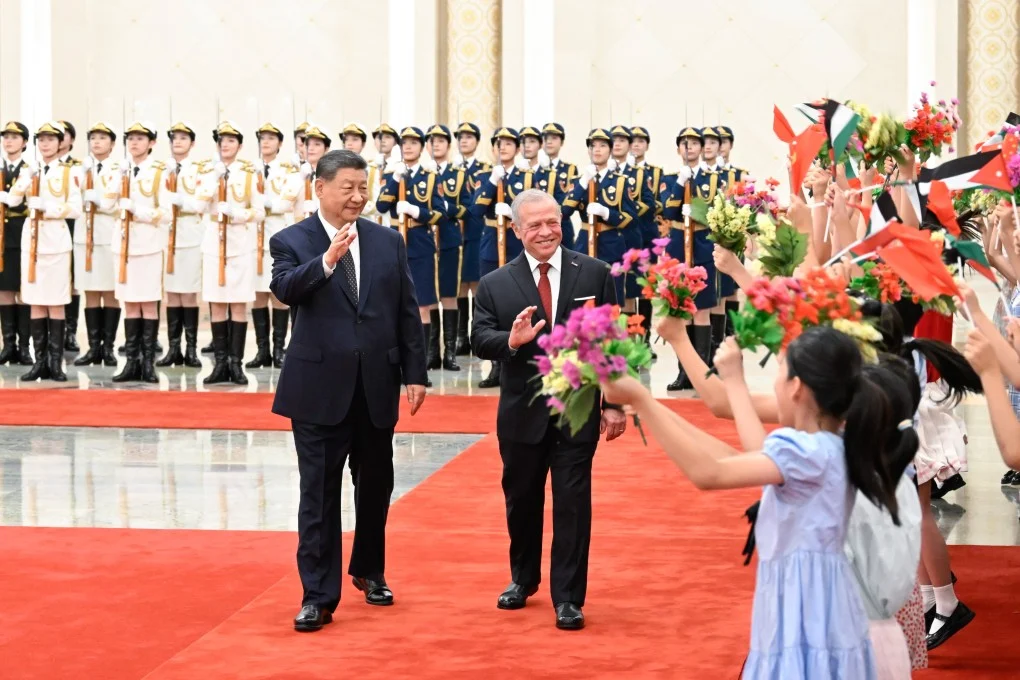
The joint statement from China and Jordan was issued following King Abdullah’s meeting with President Xi Jinping and other top officials on Monday. During their discussions, both nations expressed a strong desire to see "a full solution addressing the root causes of tension … through dialogue and negotiation, ensuring full respect for the sovereignty, security and territorial integrity of regional countries," according to the joint statement. This diplomatic push comes as peace talks between the United States and Iran have reportedly stalled, adding to the complexity of regional dynamics. The discussions between Beijing and Amman show a shared concern for regional stability and the imperative need for diplomatic pathways to de-escalate ongoing tensions. The statement emphasizes the importance of dialogue in resolving complex geopolitical issues, particularly those affecting the sovereignty and security of nations in the region, advocating for peaceful resolutions over confrontation.
Criticism of Israeli Actions
Beyond the immediate concerns surrounding the Strait of Hormuz and US-Iran relations, China and Jordan also criticised Israel’s “dangerous escalatory actions” in the West Bank and East Jerusalem, according to their joint statement. The two nations expressed “deep concern” over Israeli activities in the region, which they view as destabilizing. These activities include “land confiscation, the construction and expansion of settlements, and attempts to alter the historic and legal status quo of Islamic and Christian holy sites in Jerusalem,” the joint statement specified. This strong criticism shows the shared diplomatic position of Beijing and Amman regarding the ongoing situation in Palestinian territories and the sensitive status of religious sites in Jerusalem. Their unified stance notes international calls for adherence to established international laws and agreements concerning these territories.
Broader Diplomatic Context
This joint declaration by China and Jordan reflects a broader diplomatic engagement aimed at promoting peace and stability in the Middle East and safeguarding global trade routes. Their coordinated efforts signal a desire to leverage international cooperation to address complex geopolitical challenges, from maritime security to regional conflicts. The emphasis on dialogue and adherence to international norms indicates a shared vision for a more stable and predictable international order, particularly in regions critical to global commerce and security.