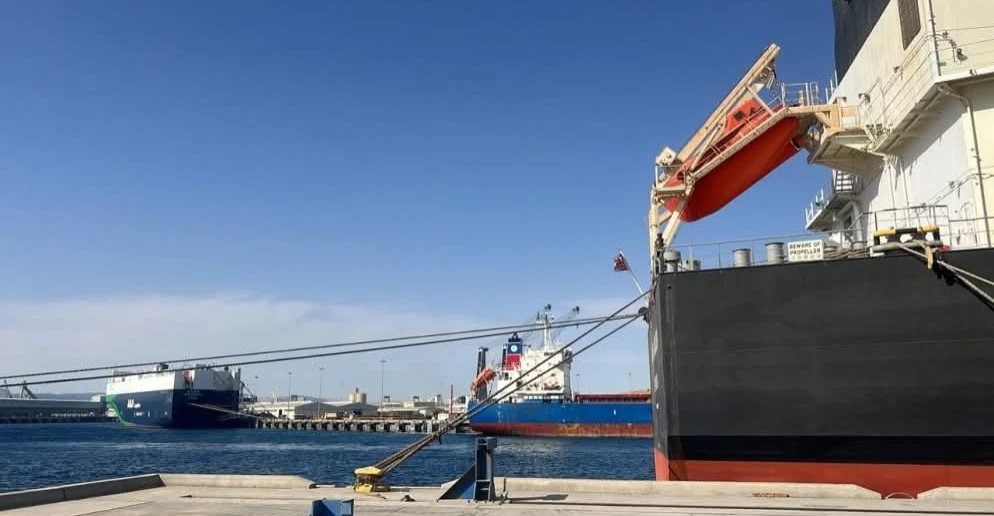
Five cargo ships transporting food and industrial goods for Iraq recently docked at Jordan's Aqaba port, signaling Iraq's increased reliance on the facility. The shift comes amid ongoing disruptions to shipping through the Strait of Hormuz. Mahmoud Khalifat, director general of the Aqaba Ports Corporation, stated, "Five cargo ships carrying food and industrial goods for Iraq docked at Jordan's Aqaba port despite continued disruption to shipping through the Strait of Hormuz." Iraq has increasingly utilized the Aqaba port for its import operations over the past two months. This growing reliance notes a strategic pivot by Baghdad to secure its supply chains against regional instability.
Aqaba Port Activity
The Aqaba port has processed significant volumes of goods destined for Iraq, including 100,000 tons of vegetable oils. This substantial intake shows the port's capacity and its increasing importance as a gateway for Iraqi imports. Operations continue with two additional ships currently awaiting unloading at the port, carrying approximately 65,000 tons of cargo. These shipments are part of a broader increase in activity at Aqaba, serving as a transit point for essential commodities headed to Iraqi markets. The transit shipments have included various staples and industrial materials, such as rice, corn, sugar, iron, and timber. This diverse range of goods demonstrates the full nature of Iraq's import needs being fulfilled through Aqaba. This sustained flow of cargo shows Aqaba's growing role in facilitating Iraq's import needs, particularly in light of regional shipping challenges. The port's strategic location offers a viable alternative to more volatile maritime routes.
Hormuz Shipping Decline
Iraq previously relied heavily on Gulf shipping routes for both its imports and the export of its oil. These traditional routes, primarily through the Strait of Hormuz, were the backbone of Iraq's trade for decades. However, shipping disruptions in the Strait of Hormuz have significantly impacted these operations, forcing a re-evaluation of logistics. Oil exports through the Strait of Hormuz plummeted to 10 million barrels in April. This represents a substantial decrease from the approximately 93 million barrels per month that were typically exported through the strait before the disruptions began. The drastic decline in volume through this critical waterway has created considerable challenges for Iraq's energy sector and overall economy. The ongoing instability in the region has made these traditional routes increasingly unreliable. This decline in activity through this critical waterway has prompted Iraq to seek alternative transit points for its goods, contributing to the increased utilization of Jordan's Aqaba port for essential imports.
Baghdad's Diversification Efforts
Baghdad has accelerated efforts to expand its Mediterranean export routes and overland transport links. These diversification initiatives include developing new transport corridors through Syria and Turkiye, aiming to reduce reliance on traditional shipping channels. The strategic shift seeks to enhance Iraq's logistical resilience and provide alternative pathways for trade, particularly for goods destined for international markets. Expanding these routes allows Iraq greater flexibility in its import and export operations, lessening vulnerability to disruptions in established maritime passages. This proactive approach by the Iraqi government aims to mitigate the economic impact of regional tensions and ensure the continuous flow of vital goods. The move is part of the country's broader strategy to secure its supply chains and facilitate economic stability amidst regional uncertainties.
Official Statement
Mahmoud Khalifat, director general of the Aqaba Ports Corporation, stated on Friday that five cargo ships carrying food and industrial goods for Iraq docked at Jordan's Aqaba port. Khalifat affirmed, "Five cargo ships carrying food and industrial goods for Iraq docked at Jordan's Aqaba port despite continued disruption to shipping through the Strait of Hormuz." His statement shows the operational continuity of the Aqaba port as a key hub for Iraqi trade, even as other routes face significant challenges.