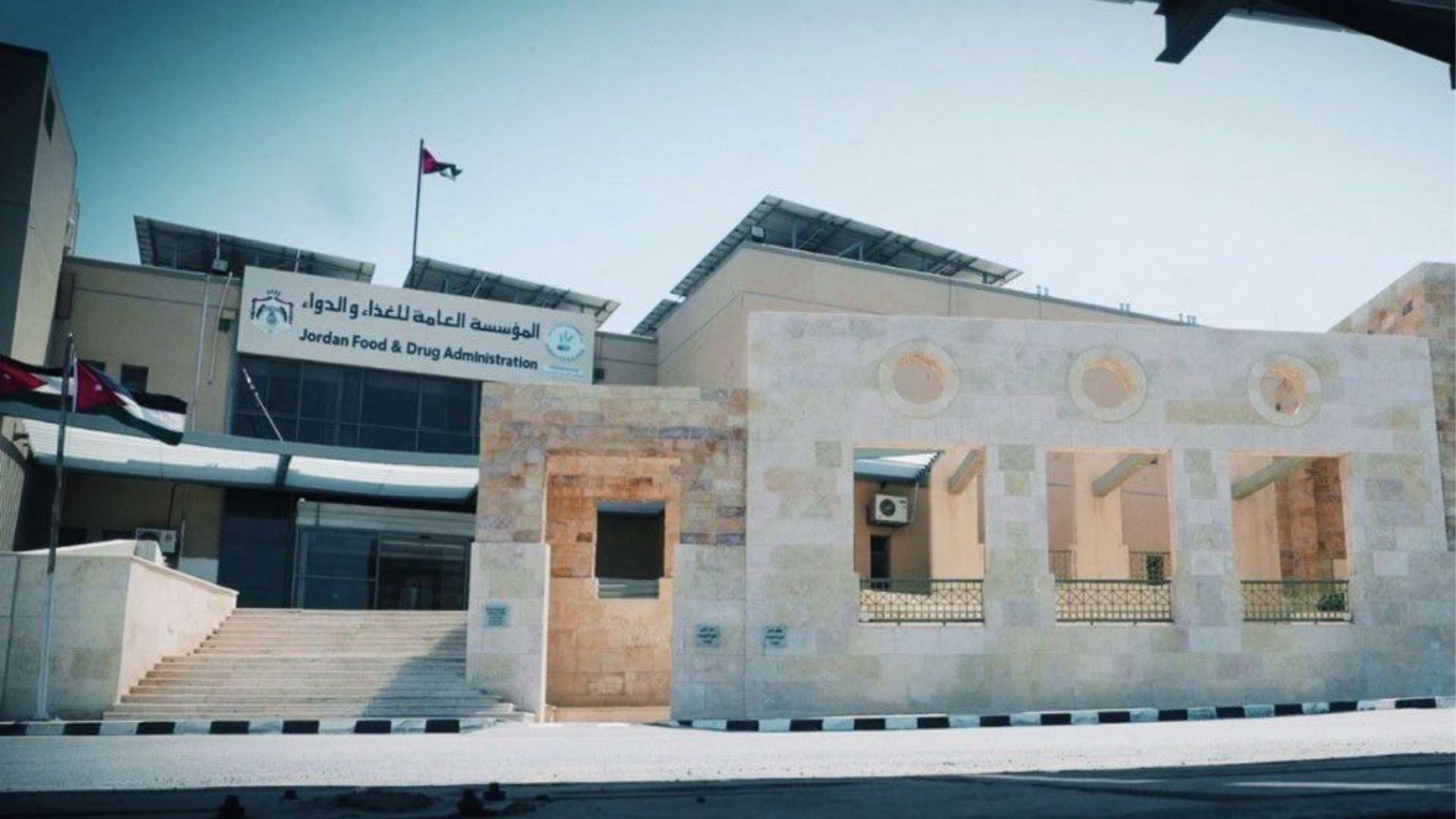
The Jordan Food and Drug Administration (JFDA) participated in the fourth meeting of the International Expert Group on Expanding the International Narcotics Control Board’s (INCB) Lists of Hazardous Substances with Unknown Uses. This significant gathering was held at the prestigious United Nations headquarters in Vienna, showing the international importance of the discussions. Malak Mahayreh, Head of the Narcotics, Psychotropic Substances, and Chemical Precursors Department at the JFDA, proudly represented the Hashemite Kingdom of Jordan at this key international forum. Her presence and active involvement served to significantly highlight Jordan's well-established standing and proactive efforts in combating the proliferation and misuse of narcotic and psychotropic substances on the global stage. The meeting provided a vital platform for sharing expertise and collaborating on strategies to address the evolving challenges posed by these hazardous substances worldwide.
Jordan's Presentation Notes
During the proceedings, Malak Mahayreh delivered a full and insightful presentation titled 'The Regulatory Framework in Jordan and the Latest Developments Related to the Scheduling of Narcotics, Psychotropic Substances, and Chemical Precursors'. Her presentation meticulously reviewed Jordan’s strong regulatory framework specifically designed for controlling these dangerous substances, detailing the mechanisms and protocols in place. Mahayreh provided a detailed comparative analysis, drawing parallels and noting differences between the Jordanian classification systems and established international classification systems for narcotics, psychotropic substances, and chemical precursors. This comparison demonstrated Jordan's alignment with international standards while also showcasing its unique national adaptations. A key segment of her presentation further outlined specific substances that Jordan had proactively added to its national schedules over the past five years, reflecting the country's commitment to continuously updating its control measures in response to emerging threats. This proactive approach ensures that Jordan’s regulatory landscape remains dynamic and effective in curbing the spread of new and dangerous compounds. The article detailing Jordan's participation in this important international meeting was officially published on May 21, 2026.
International Recognition and Collaboration
The expertise and dedication demonstrated by the Jordanian delegation drew significant attention and praise from the international community. Participants and international experts attending the Vienna meeting commended Jordan’s extensive experience and advanced capabilities in narcotics control. They specifically recognized the country's sophisticated and advanced monitoring systems, which are key for tracking and intercepting illicit substances, as well as its strong regulatory mechanisms that provide a strong legal framework for control. The delegation made a point to highlight Jordan's proactive and forward-thinking approach to managing hazardous substances, an approach that is consistently updated to meet new challenges. Reflecting its commitment to global cooperation, Jordan also actively coordinated with the Anti-Narcotics Department to meticulously draft the final recommendations that emerged from the meeting. This close collaboration showed the country's unwavering commitment to international efforts aimed at combating drug trafficking and preventing the misuse of controlled substances. The engagement in drafting these critical recommendations further solidified Jordan's influential role as a contributing and responsible partner in the development and implementation of global narcotic control strategies.
Key Meeting Outcomes and Recommendations
The discussions at the meeting culminated in a series of key recommendations designed to enhance global responses to the challenges of narcotic control. These recommendations included urgent calls for intensified international operations aimed at identifying and reporting newly emerging substances with unknown uses, which pose significant public health and safety risks. Additionally, the expert group advocated for concerted international efforts to combat counterfeit pharmaceutical products, which often contain undeclared or harmful substances and contribute to drug misuse. A central recommendation also emphasized the critical importance of adopting modern tracking systems. These advanced systems are envisioned to significantly enhance control efforts by providing real-time data and improved oversight of controlled substances throughout their lifecycle. These full recommendations collectively aim to strengthen global responses to the continuously evolving challenges inherent in narcotic control, fostering a more secure and healthier international environment.