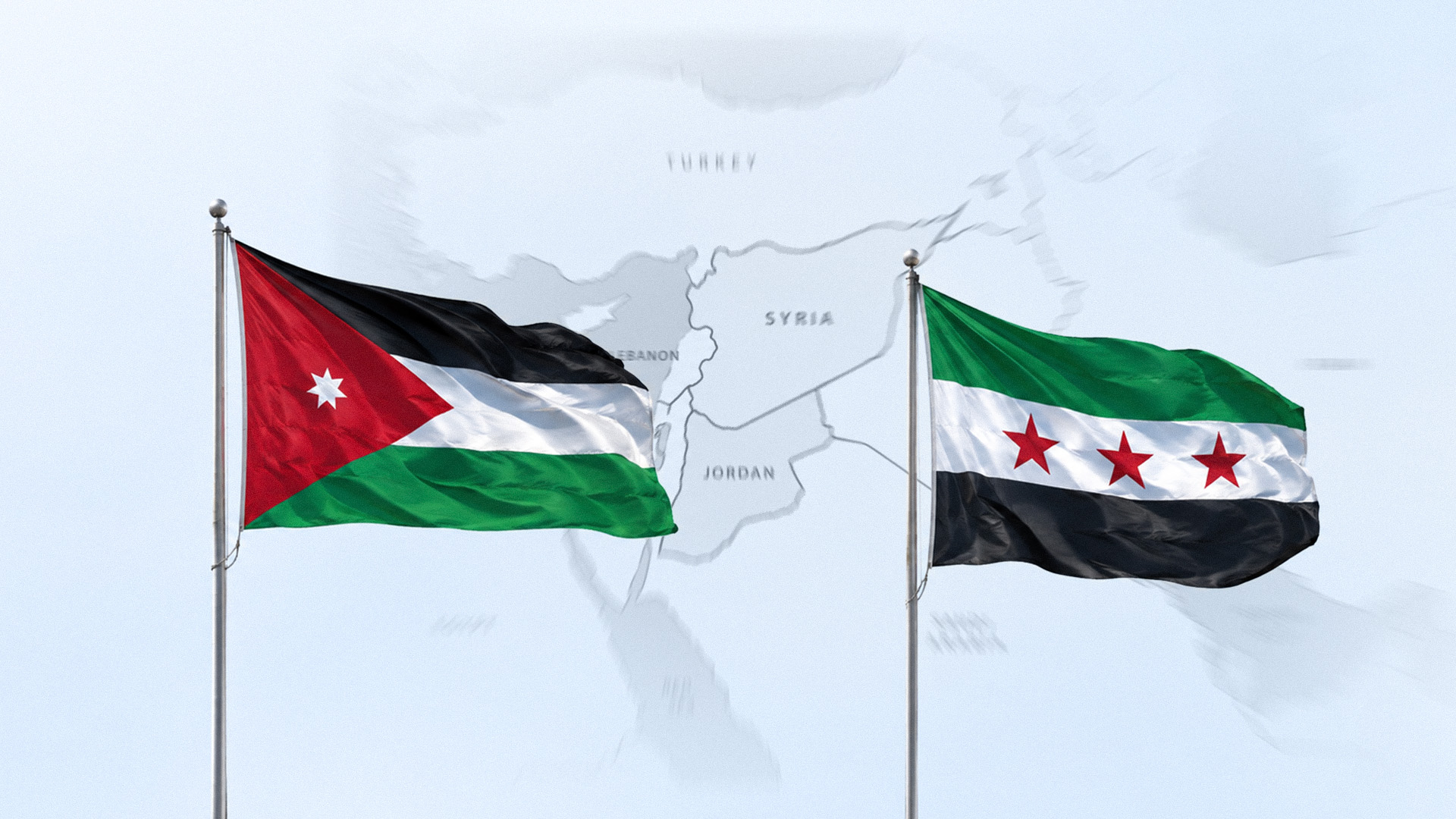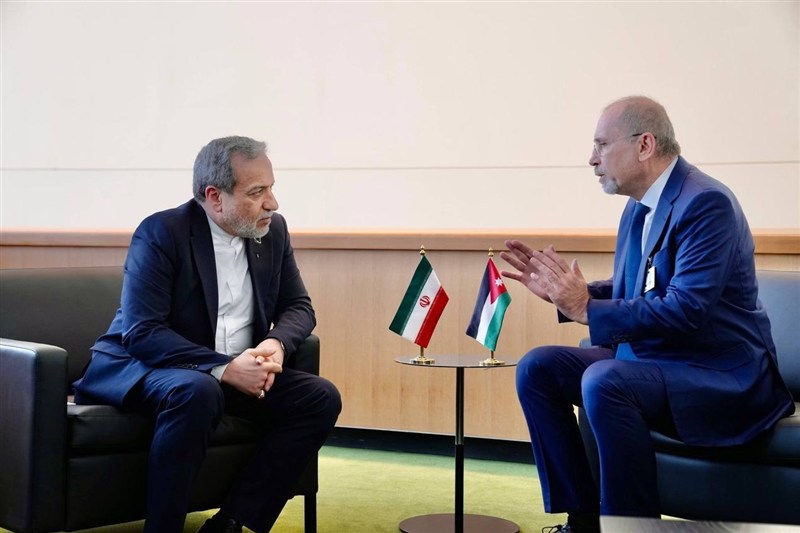
Iranian Foreign Minister Abbas Araqchi and Jordanian Foreign Minister Ayman Safadi held a telephone conversation on Tuesday, October 27, 2026. The two officials discussed regional security concerns and the implications of Israeli expansionism during their dialogue. As representatives of Iran and Jordan, the ministers addressed the evolving political situation and the shared interest in maintaining stability across the Middle East. Their call focused on the necessity of diplomatic communication between Tehran and Amman to manage current tensions. Both parties reviewed the status of regional security frameworks in light of ongoing developments involving Israeli policies. The discussion concluded with an agreement to maintain contact regarding these matters in the coming period.
Joint Call for Action
Abbas Araqchi and Ayman Safadi issued a joint appeal during their conversation for Islamic nations and the international community to mobilize against the genocide and expansionism of the Zionist regime. Both ministers identified these policies as primary drivers of instability and urged a unified response to mitigate the effects of current regional developments. The foreign ministers called for Islamic countries and the international community to take action against the genocide and expansionism of the Zionist regime. This coordinated stance shows the urgency both Tehran and Amman place on addressing the humanitarian and territorial challenges currently affecting the region. By emphasizing the necessity of a collective international approach, the two ministers sought to leverage their diplomatic channels to foster a more strong response to the policies of the Zionist regime.
Abbas Araqchi specifically addressed the role of external powers in the region, asserting that long-term security in the Middle East requires an end to US military aggression and interventionist actions. Abbas Araqchi stated that regional security requires an end to US military aggression and interventionist actions. He argued that the presence and activities of foreign forces complicate local efforts to establish a durable peace. The Iranian Foreign Minister maintained that regional states must take the lead in managing their collective security without external interference. Such interference, according to the perspective shared during the call, serves only to exacerbate existing regional fractures rather than providing a pathway toward sustainable peace.
Separately, Abbas Araqchi addressed the internal security challenges facing the Hashemite Kingdom. He formally condemned a terrorist attack that recently targeted a church in southern Jordan. Abbas Araqchi condemned a terrorist attack on a church in southern Jordan. The communication between the two officials served to solidify their shared stance on protecting religious sites and maintaining order within Jordan’s borders. Both Tehran and Amman intend to continue their dialogue to ensure that these security priorities remain at the forefront of their diplomatic agenda. This commitment to ongoing consultation aims to reinforce the stability of the Hashemite Kingdom while addressing the broader geopolitical concerns raised by the ministers during their extensive exchange.