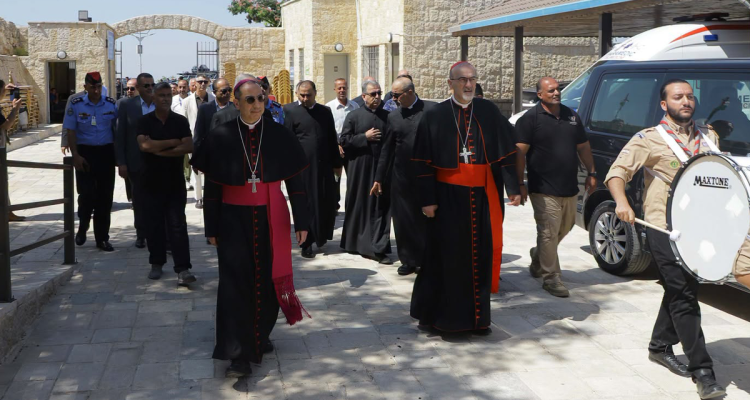
Hundreds of faithful from across Jordan and abroad gathered at the Shrine of the Prophet Elijah in Ajloun on Friday, July 24, 2026, to celebrate the annual Feast of St. Elijah. The significant religious event drew pilgrims from various regions, all converging on this revered site in northern Jordan. His Beatitude Cardinal Pierbattista Pizzaballa, Latin Patriarch of Jerusalem, presided over the Eucharistic celebration, lending spiritual gravitas to the occasion. The Shrine of the Prophet Elijah, nestled among the verdant hills of northern Jordan, is widely recognized as one of the country's official Christian pilgrimage sites, drawing devotees and tourists alike to its historically rich grounds. The annual gathering shows the enduring spiritual importance of the site for the Christian community.
Spiritual Significance of the Site
Local Christian tradition holds that the Shrine of the Prophet Elijah marks the birthplace of the Prophet Elijah in Tishbe of Gilead, a belief that imbues the location with profound historical and spiritual meaning for the faithful. During the celebration, Cardinal Pierbattista Pizzaballa, Latin Patriarch of Jerusalem, spoke extensively about the spiritual resonance of the location and its deep connection to biblical narratives. "We are gathered here in this beautiful and authentic place to celebrate on this mountain," Cardinal Pizzaballa stated, reflecting on the hallowed ground. He further elaborated on the biblical significance of such elevated places, adding that "Throughout Sacred Scripture, mountains are places of encounter with God, places where He reveals Himself." The Cardinal emphasized the personal need for such spaces in contemporary life, saying, "We all need to have our own 'mountain'—a place where we can be alone with Him. It may be our home or any place where we can truly encounter the Lord." This emphasis on mountains as places of divine encounter resonated deeply with the assembled faithful.
Cardinal Pizzaballa noted Elijah's steadfastness as a model for contemporary believers, particularly in an age of shifting values. "He did not follow the stream, or the mentality of his time but remained faithful to the Word of God, paying a personal price for that fidelity," Cardinal Pizzaballa said, commending the prophet's unwavering commitment. He then drew a powerful parallel to modern challenges, noting, "We too have our idols today. Each of us must decide, not only once in life but every day, whom we choose to follow—God or the idols of our time. This choice touches every aspect of our lives: our families, our work, our schools, and our daily decisions." The Cardinal acknowledged that maintaining faith and making these daily choices can be difficult amidst life's complexities. "Like Elijah, we can feel alone or abandoned at times…especially when we do not receive immediate answers to our questions," Cardinal Pizzaballa remarked, offering solace and encouragement. He added that "To remain faithful also means learning to wait with trust until God's answer comes," showing the virtue of patience and perseverance in faith.
The Cardinal also showed God's reciprocal faithfulness, a cornerstone of Christian theology. "God not only asks us to be faithful; He Himself is always faithful," Cardinal Pizzaballa affirmed, providing assurance to the congregation. He recounted the prophet's trials, stating, "Elijah endured hardship, persecution, and the desert, yet God never abandoned him. He sent people to sustain him and gave him strength to continue," illustrating divine providence. Cardinal Pizzaballa further stated that Elijah is an integral part of the region's spiritual history and identity. "Here in Jordan, Elijah is part of our heritage; he is one of our own," he said, connecting the ancient prophet directly to the local community. The Cardinal concluded his homily by urging attendees to emulate the prophet's exemplary life, stating, "But it is not enough to say that he belongs to us. We must also follow his example and become part of his story. May the intercession of St. Elijah help us always remain faithful to God and recognize His faithfulness in our own lives." His words served as a call to action for personal spiritual growth and commitment.
Cardinal's Message on Fidelity
Cardinal Pierbattista Pizzaballa, Latin Patriarch of Jerusalem, reflected profoundly on the unwavering fidelity of Prophet Elijah to God during a period when many of God’s people had turned to idols. He emphasized Elijah's steadfast resolve in the face of widespread apostasy. "He did not follow the stream, or the mentality of his time but remained faithful to the Word of God, paying a personal price for that fidelity," Cardinal Pizzaballa stated, noting the prophet's courage and conviction. He then drew compelling parallels to contemporary challenges, saying, "We too have our idols today. Each of us must decide, not only once in life but every day, whom we choose to follow—God or the idols of our time. This choice touches every aspect of our lives: our families, our work, our schools, and our daily decisions." The Cardinal acknowledged the inherent difficulties of maintaining faith and making these daily moral choices in a complex world. "Like Elijah, we can feel alone or abandoned at times…especially when we do not receive immediate answers to our questions," Cardinal Pizzaball remarked, offering a relatable perspective on spiritual struggles. He added that "To remain faithful also means learning to wait with trust until God's answer comes," encouraging patience and trust in divine timing.
Cardinal Pizzaballa also emphasized God's consistent faithfulness to His people, noting that God never abandoned Elijah despite his numerous trials and tribulations. This divine constancy served as a source of hope and reassurance. "God not only asks us to be faithful; He Himself is always faithful," Cardinal Pizzaball affirmed, showing the reciprocal nature of the covenant. "Elijah endured hardship, persecution, and the desert, yet God never abandoned him. He sent people to sustain him and gave him strength to continue," the Cardinal recounted, illustrating God's unwavering support. Addressing the Prophet Elijah's historical significance in the region, the Cardinal said, "Here in Jordan, Elijah is part of our heritage; he is one of our own," fostering a sense of local pride and connection to the biblical figure. He concluded his powerful message by urging attendees to emulate the prophet's example, transforming admiration into action. "But it is not enough to say that he belongs to us. We must also follow his example and become part of his story. May the intercession of St. Elijah help us always remain faithful to God and recognize His faithfulness in our own lives."
The Eucharistic celebration was concelebrated by Msgr. Iyad Twal, Patriarchal Vicar in Jordan, alongside Cardinal Pizzaballa, further dignifying the spiritual gathering. The faithful departed from the Shrine of the Prophet Elijah with a deeper commitment to integrate the Gospel into their daily lives, inspired by the profound messages of fidelity and perseverance delivered during the feast. This renewed sense of purpose reflected the spiritual impact of the annual pilgrimage.
Official and Community Support
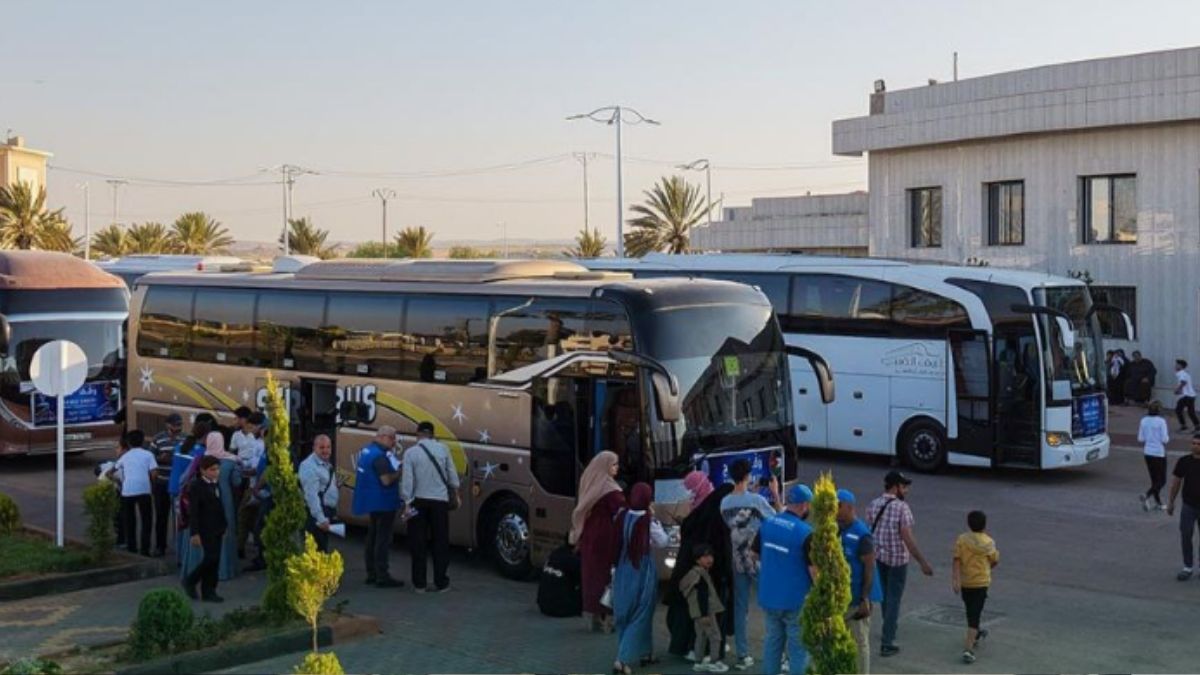
Archaeological remains of Byzantine churches discovered at the Shrine of the Prophet Elijah site testify to centuries of Christian veneration, showing its profound historical significance and continuous sacred use. The annual feast also saw significant official and community presence, reflecting broad support for the pilgrimage from various sectors of Jordanian society. Representatives from Jordan's Ministry of Tourism and Antiquities, led by H.E. Dr. Imad Hijazin, attended the event, noting the government's recognition of the site's importance. Officials from the Jordan Tourism Board provided key logistical support for the organization of transportation, facilitating access for numerous pilgrims traveling to the shrine from different locations. Their efforts ensured a smoother and more accessible experience for all attendees.
Further demonstrating governmental and local engagement, the Governor and Deputy Governor of Ajloun were prominently in attendance at the celebration, signifying the local administration's commitment to the event and the site. The gathering also included representatives from various local civil, religious, and archaeological institutions, noting the interdisciplinary interest in the site and its rich heritage. This diverse representation showed the Shrine's multifaceted importance, not just as a religious landmark but also as a cultural and historical treasure. Clergy from the Ajloun region, including Fr. Salam Haddad, Fr. Johnny Bahbah, and Fr. Yousef Francis, also attended the religious observance, providing pastoral support and participating in the sacred rites. The combined presence of these officials and community leaders showed the importance of the Shrine of the Prophet Elijah as both a vital spiritual destination and a significant site of cultural heritage in Jordan, reinforcing its role in the nation's religious and historical landscape.