Jordan has recently faced renewed Iranian aerial strikes, marking a significant escalation in regional tensions. This resurgence of military activity has cast a long shadow over the kingdom's economic prospects, impacting vital sectors such as tourism, trade, and foreign investment. The renewed aerial war occurred despite a Pakistani-brokered agreement last month, which aimed to bolster a ceasefire between Tehran and Washington. These aerial attacks resulted in the first US deaths in the kingdom since the renewed conflict began, showing the growing severity of the situation. The ongoing instability threatens to derail Jordan's fragile economic recovery and its ambitions to become a regional logistics hub.
Escalating Attacks and Airspace Concerns
Iran resumed firing missiles and drones at Jordan on July 9, marking a renewed period of intense military activity. This resumption of hostilities has brought with it a heightened sense of insecurity across the region. An Iranian attack on Sunday resulted in the deaths of three American soldiers at an airbase located in east Jordan. This tragic incident marked the first US deaths in the kingdom in the renewed war, a stark reminder of the human cost of the escalating conflict. Over the past two and a half weeks, dozens of Iranian projectiles have targeted the kingdom, according to various reports, indicating a sustained and widespread campaign of strikes.
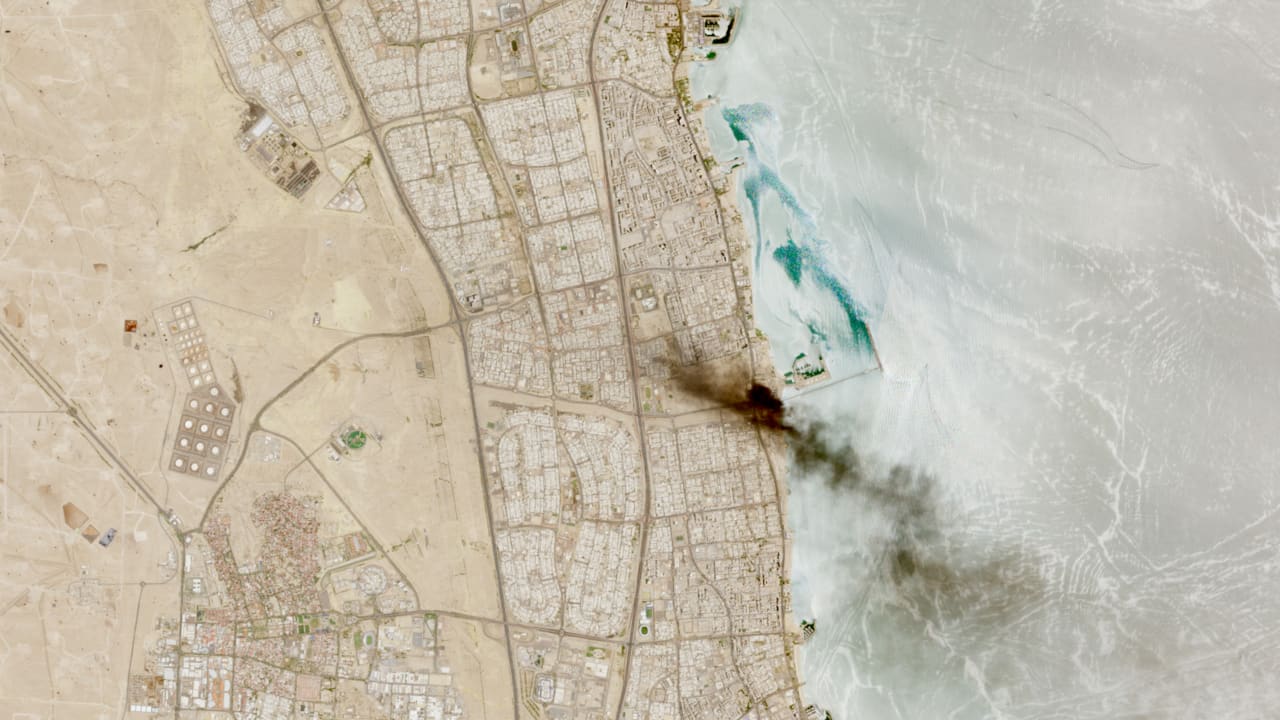
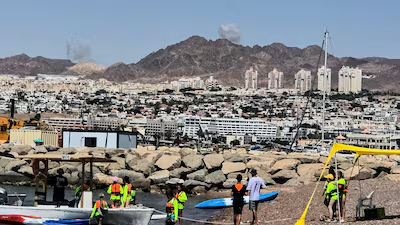
The frequency and proximity of these attacks have been a cause for alarm among the civilian population. Residents in the city of Aqaba have reported hearing blasts, indicating the proximity of some of these incidents to urban centers. This marks a significant shift in targeting patterns. It was the first time that Aqaba, rather than the neighboring Israeli city of Eilat, appeared to have been the target of fire, suggesting a deliberate expansion of the conflict's geographical scope. This change in targeting has profound implications for regional security and the perception of risk in areas previously considered less vulnerable.
In response to the heightened tensions and the direct impact on its airspace, the European Union Aviation Safety Agency (EASA) issued a recommendation for airlines. The agency specifically asked carriers to avoid Jordanian airspace until the end of August. EASA cited an "increase in kinetic military activity affecting Jordanian airspace" as the unequivocal reason for its advisory, noting the concrete dangers posed to commercial aviation. This advisory not only disrupts air travel but also serves as a visible indicator of the severe security situation, further deterring international visitors and businesses. The implications of such a warning extend beyond mere flight rerouting, affecting insurance premiums, logistical planning, and overall confidence in the region's stability.
Economic Hopes Dimmed by Conflict
Jordan's economy has experienced stagnation since the 2008 financial crisis, and the ongoing conflict this year has inflicted another severe setback, making recovery even more challenging. The persistent instability has disrupted critical economic arteries, particularly impacting trade and investment flows. The chain of logistics across the region is in disarray, with a shipper in Aqaba stating, "The chain of logistics across the region is in turmoil." This turmoil translates into delays, increased costs, and unpredictability for businesses reliant on regional supply chains. The ripple effects of this disruption are felt throughout the economy, from manufacturing to retail.
In response to the widespread instability and the uncertain outlook, an EU-sponsored investment conference in Jordan, initially scheduled for the first half of this year, has been postponed until November. This delay is a significant blow, as such conferences are key for attracting much-needed foreign capital and showcasing investment opportunities. The postponement reflects the reluctance of international investors to commit funds in a volatile environment, showing the direct economic consequences of geopolitical tensions.
The tourism sector, a cornerstone of Jordan's economy, has been particularly hard hit. Western tourists, whose return to Jordan was anticipated after the April 8 ceasefire in the Iran war, now appear unlikely to materialize. This decline in tourism has significantly impacted the country's revenue, which relies heavily on international visitors. Data indicates that revenue from tourism fell 9.2 percent to $2.8 billion in the first five months of this year compared with the same period in 2025, illustrating a substantial downturn. The impact is particularly visible in popular tourist destinations such as Petra, where current hotel occupancy stands at a mere four percent. This abysmal occupancy rate notes the devastating effect of the conflict on local businesses, employment, and the overall vibrancy of tourist areas. The absence of tourists affects not only hotels but also restaurants, tour operators, craft shops, and a myriad of other service providers, creating a widespread economic contraction in these regions.
Regional Logistics and Investment Choke Points
Regional interest in Jordan and the port of Aqaba had been expected to raise confidence and attract foreign investment, positioning the corridor as an alternative route to the Strait of Hormuz. This strategic vision aimed to leverage Aqaba's geographical advantage to create a strong trade artery, offering a safer and more reliable passage for goods. However, renewed regional instability has severely complicated these prospects, eroding the confidence that was beginning to build around this alternative route. The very premise of a stable alternative is undermined by the ongoing conflict.
Shipping costs, a critical factor for international trade, have experienced extreme volatility. Shipping costs for a container traveling to Aqaba from East Asia initially saw a significant increase, rising from $1,500 to $6,000 at the beginning of the war, reflecting the immediate impact of the initial conflict. These costs then decreased following the April ceasefire, offering a brief respite to importers and businesses who saw a glimmer of hope for stabilization. However, the recent resurgence of conflict has reversed this positive trend. In the past two weeks, shipping costs have once again climbed, reaching $6,000, according to a major Jordanian food importer. The importer described the situation, stating, "Shipping has been a nightmare," a sentiment shared by many businesses struggling with unpredictable and exorbitant transportation expenses.
This volatility in transportation expenses directly impacts the cost of goods for consumers and the predictability of supply chains for businesses operating in Jordan and beyond. Higher shipping costs inevitably lead to higher retail prices, contributing to inflationary pressures and eroding purchasing power. For businesses, the inability to forecast logistics costs makes budgeting and planning incredibly difficult, hindering investment in inventory and expansion. The fluctuating logistics costs show the severe economic challenges posed by the ongoing regional tensions, making it difficult for businesses to plan effectively and for foreign investors to commit to long-term projects in the area. The dream of Aqaba as a stable, alternative trade gateway is currently overshadowed by the harsh realities of regional conflict.
External Support and Economic Resilience
Despite the significant challenges posed by the renewed conflict, Jordan continues to receive strong support from international partners, particularly the United States and Europe. The United States and Europe have underwritten large infrastructure projects in Jordan, including solar-powered initiatives planned to commence in Aqaba next year. These projects represent a long-term commitment to Jordan's development and its transition to more sustainable energy sources, aiming to bolster the country's energy independence and economic resilience. Such investments are key for modernizing infrastructure and creating new economic opportunities.
Western powers, including the US, are widely perceived as committed to maintaining Jordan's five decades of stability through providing financial and security assistance. This sustained support is a testament to Jordan's strategic importance in the region and the international community's interest in preventing further destabilization. The financial aid helps to shore up Jordan's public finances and support essential services, while security assistance is vital for maintaining border integrity and internal stability in a volatile neighborhood. This enduring partnership provides a critical lifeline for the kingdom amidst geopolitical pressures.
Despite recent tensions and the visible disruptions, a June report by the International Monetary Fund offered a more nuanced picture of Jordan's economic performance. The report stated that most of Jordan's economy has continued "to operate normally," with some sectors "benefiting from stronger external demand and higher exports." This suggests that while certain sectors like tourism and logistics are severely affected, others have shown resilience, potentially due to diversified markets or specific product demands. Jordan's official inflation rate remained steady at 2 percent at the end of the first half of 2026, indicating a degree of macroeconomic stability despite the external shocks. Building permits rose 5.4 percent in the first five months of this year, with total licensed areas holding steady at four million square meters. These figures suggest that domestic construction and development activities are continuing, providing some support to the economy and demonstrating a degree of internal confidence in the country's future. While the war casts a long shadow, these indicators of resilience highlight the underlying strength of certain economic sectors and the ongoing efforts to maintain stability and growth.