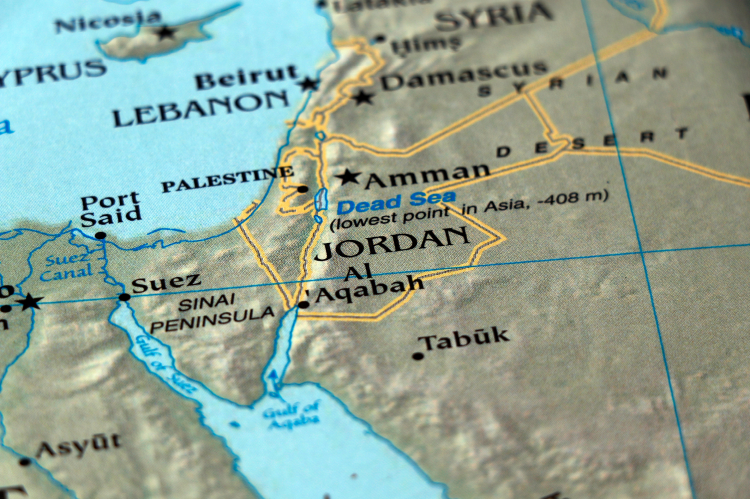
Explosions were observed over the southern Jordanian city of Aqaba, a significant port city located on the Red Sea. The incident occurred amidst claims of Iranian retaliation, as reported in the broader context of regional developments. The precise nature and origin of the explosions over Aqaba have not been immediately clarified by officials, leaving local residents and international observers seeking further details. The events have added to the prevailing uncertainty in a volatile region.
Aqaba Explosions Witnessed
Residents in Aqaba, Jordan, reported hearing explosions and seeing flashes of light in the sky over the city. Multiple accounts from eyewitnesses described a series of loud noises that reverberated across the port city, situated on the Red Sea. These reports indicated that the flashes of light were distinctly visible against the night sky, drawing immediate attention from those in the area. The precise number of explosions witnessed remained unconfirmed by official sources, but local residents indicated that the events caused momentary concern and prompted questions about their source and intent. Despite the audible and visual disturbances, no immediate reports of damage or casualties on the ground in Aqaba were available following the incidents. Authorities in Jordan have not yet released an official statement regarding the nature or source of the reported explosions, maintaining a cautious stance as investigations presumably get underway. The events occurred as regional tensions remain elevated, with reports of potential retaliatory actions in the wider area contributing to a climate of apprehension.
Iran's Retaliation Claim
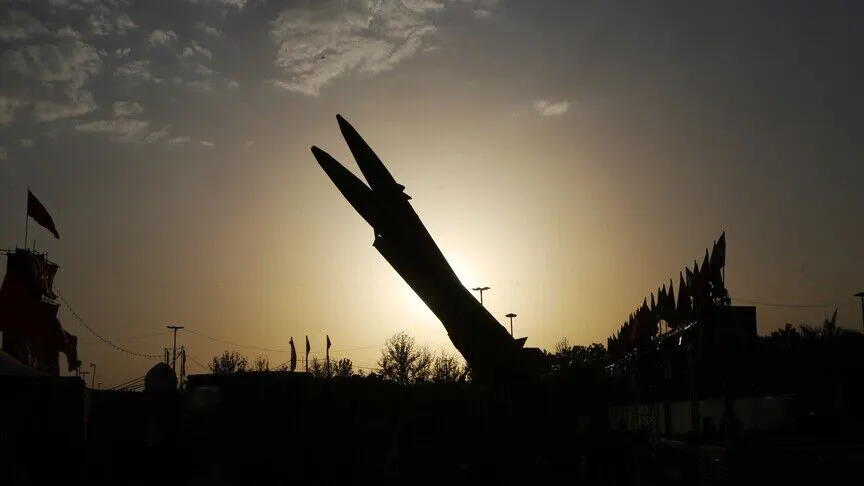
Iran has stated that its actions are a direct retaliation for US strikes, a significant declaration that frames the recent regional incidents. The claim connects the recent events to ongoing tensions in the region involving various state and non-state actors, suggesting a deliberate response to previous military engagements. This assertion from Tehran suggests a response to prior military engagements attributed to the United States, thereby escalating the narrative of reciprocal actions. While the specific nature of Iran's retaliatory measures was not immediately detailed in their statements, the declaration implies a broader context for recent regional disturbances, including the explosions seen over Aqaba. The statement from Iran arrived amid heightened vigilance across the Middle East, with multiple parties closely monitoring developments and preparing for potential further actions. This claim marks a significant development in the narrative surrounding the explosions reported over Aqaba, potentially linking them to a wider pattern of reciprocal military actions that have characterized the region's security landscape. The stated intent by Iran suggests a continuation of the cycle of responses to perceived aggressions, adding another layer of complexity to the regional security situation.
Regional Tensions Context
The explosions reported over Aqaba occur within a broader regional environment characterized by heightened tensions and complex geopolitical dynamics. Geopolitical dynamics in the Middle East have seen an increase in incidents involving various state and non-state actors, each pursuing their own interests and responding to perceived threats. The United States maintains a significant military presence in the region, often conducting operations in response to perceived threats or actions by groups it designates as hostile. These operations, in turn, have sometimes drawn retaliatory responses from entities aligned with opposing interests, creating a continuous cycle of action and reaction. The current climate involves intricate relationships and historical grievances among several nations, contributing to a volatile security landscape where incidents can quickly escalate. Washington has frequently expressed concerns over activities it attributes to Iran and its proxies, leading to a cycle of actions and reactions that significantly influence stability across the Middle East and beyond.
International Reaction and Analysis
International bodies and key allies have urged de-escalation following the reported explosions over Aqaba and Iran's retaliation claims. The international community is closely watching the situation unfold, with calls for restraint echoing from various capitals. Washington has closely monitored the situation, with diplomatic channels reportedly engaged to prevent further escalation in the region and to understand the full scope of recent events. Observers are analyzing the potential implications for regional stability, emphasizing the need for restraint from all parties involved to avoid a broader conflict. The situation shows the fragility of peace in the Middle East and the interconnectedness of regional security concerns.