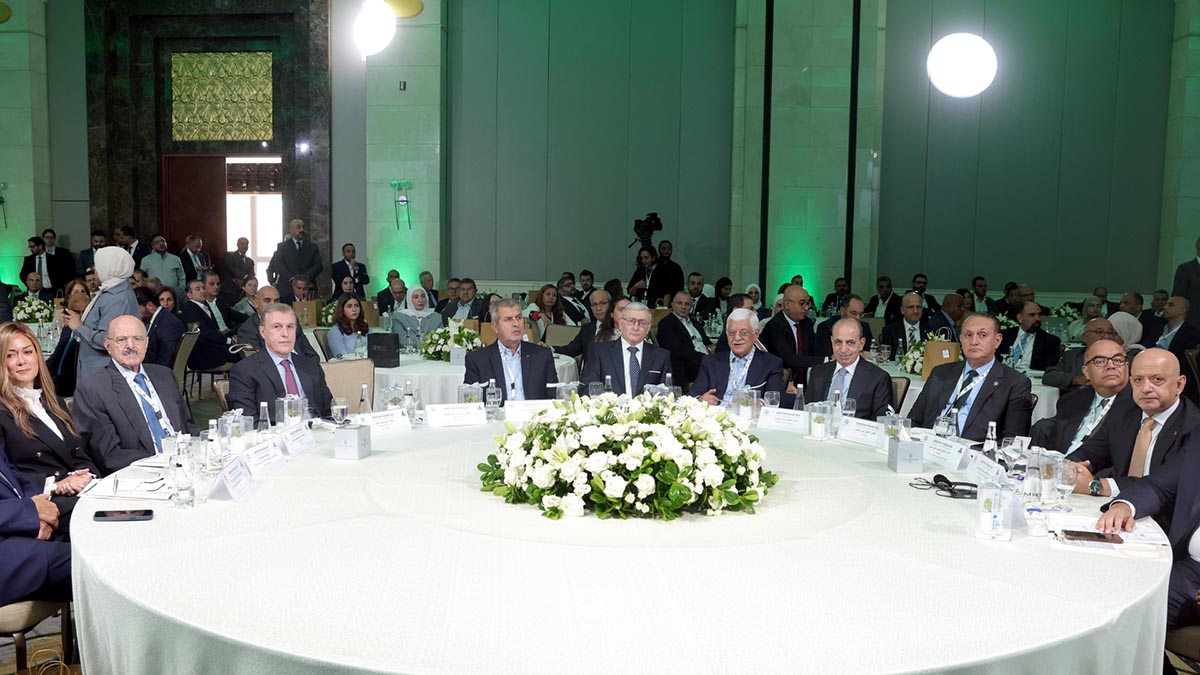
The Association of Banks in Jordan hosted the fourth Green Finance Forum 2026 on Tuesday, convening a wide array of stakeholders to discuss advancing sustainable economic practices within the Hashemite Kingdom. The forum, a key platform for national dialogue, focused intently on fostering public-private dialogue as a critical mechanism to direct financing towards green projects. Participants engaged in full discussions, exploring strategies to strengthen Jordan's climate resilience and accelerate the nation's transition to a sustainable economy. This significant initiative aimed to bridge the gap between financial institutions, government bodies, and the private sector, encouraging collaborative efforts towards achieving ambitious environmental sustainability goals. The overarching objective was to ensure that financial flows are increasingly aligned with Jordan's green agenda, driving tangible progress in environmental protection and sustainable development.
Key Initiatives and Strategies Driving Jordan's Green Transition
A cornerstone of Jordan's commitment to sustainable finance is the Central Bank of Jordan's Green Finance Strategy 2023-2028. This full strategy was developed in close collaboration with the World Bank and other relevant stakeholders, outlining a clear roadmap for sustainable financial practices within the kingdom. The strategy aims to systematically integrate environmental considerations into financial decision-making processes and project financing across various sectors. Its implementation is expected to guide banks and financial institutions in assessing environmental risks and opportunities, thereby channeling investments into projects that contribute positively to the environment.
Further advancing Jordan's green agenda and providing a strong framework for investment, the Cabinet adopted the Jordan National Green Taxonomy in February. This new classification system is meticulously designed to provide clear, unambiguous guidelines for what constitutes a "green" economic activity. By defining green activities, the taxonomy aims to significantly facilitate investment in environmentally sound projects, reduce "greenwashing" risks, and provide transparency for investors. The second session of the forum specifically examined the Jordan National Green Taxonomy, discussing its practical implementation and potential impact on the national economy, noting its role in standardizing definitions and fostering investor confidence. Experts deliberated on how this taxonomy would serve as a vital tool for both local and international investors seeking to align their capital with Jordan's sustainability objectives.
Efforts to secure key funding for sustainable development have also seen notable progress. Projects totaling approximately $200 million have advanced through the rigorous approval process of the Green Climate Fund, indicating a growing pipeline of initiatives poised to receive substantial international support. These projects are expected to contribute significantly to Jordan's climate resilience and green transition goals, addressing critical areas such as renewable energy, energy efficiency, and adaptation measures. The successful navigation of the Green Climate Fund's approval process shows Jordan's capacity to develop and implement impactful green projects that meet international standards.
Jordan's Strategic Energy Landscape and Emission Reduction Targets
Jordan is making significant strides in transforming its energy landscape. Renewable sources currently account for approximately 27% of Jordan’s electricity generation, a figure that demonstrates the nation's commitment to diversifying its energy mix. According to Energy and Mineral Resources Minister Saleh Kharabsheh, the National Energy Strategy targets an ambitious 40% of Jordan's electricity generation from renewables by 2035. Minister Kharabsheh further indicated the potential to reach an even higher target of 50% renewable energy generation, showcasing the kingdom's strategic foresight and long-term vision for a sustainable energy future. These targets show the kingdom's strategic shift towards sustainable energy production, aiming to enhance energy security while reducing reliance on fossil fuels.
Beyond energy, Jordan has also committed to significantly reducing its overall environmental impact. The nation aims to cut greenhouse gas emissions by a substantial 31% by 2030. This ambitious goal aligns closely with broader international efforts to combat climate change and transition to greener economies globally. The intensified focus on renewable energy development is a key, integral component of this commitment, contributing simultaneously to both energy independence and the key reduction of greenhouse gas emissions. Achieving this target requires concerted efforts across all sectors, from industry to transportation, with green finance playing a key role in facilitating the necessary investments. The 2030 target reflects Jordan's responsibility as a signatory to international climate agreements and its dedication to a sustainable future.
Influential Voices and Institutional Support for Green Transition
The fourth Green Finance Forum was held under the esteemed patronage of Central Bank of Jordan Governor Adel Sharkas, showing the central bank's unwavering commitment to advancing sustainable financial practices within the kingdom. Governor Sharkas's patronage notes the strategic importance placed on green finance at the highest levels of Jordan's financial regulatory framework. Deputy Prime Minister and Minister of Local Administration Walid Masri also attended the significant event, further noting governmental interest and strong support for the green transition across different administrative layers. Their presence affirmed the whole-of-government approach Jordan is taking towards environmental sustainability.
A key institutional development supporting the green transition is the Cities and Villages Development Bank, which has successfully completed its accreditation requirements with the Green Climate Fund. This significant achievement is expected to facilitate direct access to international climate finance for local development projects, empowering municipalities and local communities to implement their own green initiatives. This accreditation positions the bank to play a significant and expanded role in channeling funds towards green initiatives at the municipal level, addressing local needs and fostering grassroots environmental action. It represents a critical step in decentralizing access to climate finance and ensuring that sustainable development reaches all parts of Jordan.
The current gathering marked the fourth iteration of the Green Finance Forum, which was initially launched in 2023. Since its inception, the forum has served as a recurring and increasingly influential platform for stakeholders from various sectors to discuss strategies, share best practices, and track progress in green finance. A dedicated third session during the event specifically addressed the intricate financing requirements necessary for Jordan's green transition. This session brought together experts, policymakers, and financial practitioners to identify existing funding gaps, explore innovative financing mechanisms, and pinpoint new opportunities for investment in green projects. The discussions delved into the complexities of mobilizing capital, de-risking investments, and creating an attractive environment for both domestic and international green finance. The forum continues to be an essential annual event, fostering collaboration and driving forward Jordan's ambitious journey towards a sustainable and resilient economy.