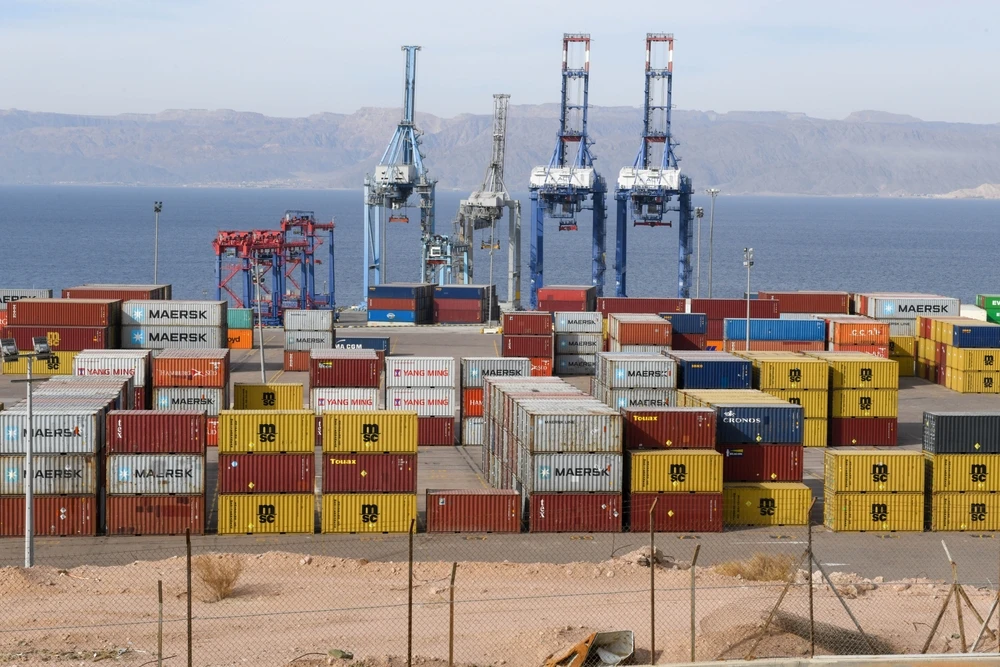
Total cargo handling at Jordan's Aqaba ports rose 14.3% to 20.51 million tonnes in the first nine months of 2026. Disruptions to regional shipping routes caused by conflict involving Iran and security risks near the Strait of Hormuz have led traders to seek alternative gateways such as Aqaba.
Mohammad Dalabih, Secretary-General of the Jordan Shipping Association, noted the impact of these shifts on local operations. "The statistical indicators reflect continued maritime and commercial activity through Aqaba and reinforce its position as an important logistics and trade gateway for Jordan and the countries of the region," he said. The data covers activity recorded from January through September 2026, marking a period of heightened reliance on the port for regional trade flows.
Imports and Vehicle Trade Growth
Imports through Aqaba ports climbed 35.3% to more than 12.4 million tonnes during the first nine months of 2026. This growth in cargo volume mirrors broader shifts in regional logistics patterns observed throughout the year.
Vehicle imports through Aqaba’s terminals recorded a significant rise, increasing 114.9% to 142,955 vehicles in the first nine months of 2026. This figure represents a substantial gain when measured against the 66,513 vehicles imported during the same period in 2025.
Vehicle exports through Aqaba experienced a sharper expansion, surging more than 1,200% to 18,568 vehicles in the first nine months of 2026. Data shows that these outbound shipments grew from 1,380 vehicles recorded during the corresponding period in 2025. Port authorities processed these volumes as part of the total trade activity reported between January and September 2026.
Container Throughput and Transit Trends
Container throughput at the Aqaba Container Terminal reached 786,948 twenty-foot equivalent units (TEUs) during the first nine months of 2026. This performance represents a 6.6% increase compared to the 738,349 TEUs handled during the same period in 2025.
Transshipment container traffic at Aqaba also experienced growth, rising 151.8% to 115,762 TEUs for the period ending on 30 September 2026. These volumes reflect a shift in how cargo is being routed through the terminal.
Direct container traffic bound for Iraq through the port saw a substantial expansion. Recorded volumes for the Iraqi market climbed from 4,935 TEUs during the first nine months of 2025 to 56,286 TEUs during the same months of 2026. This change constitutes an increase of more than 1,000% in transit activity destined for the country, marking a transition in regional supply chain reliance on the port.