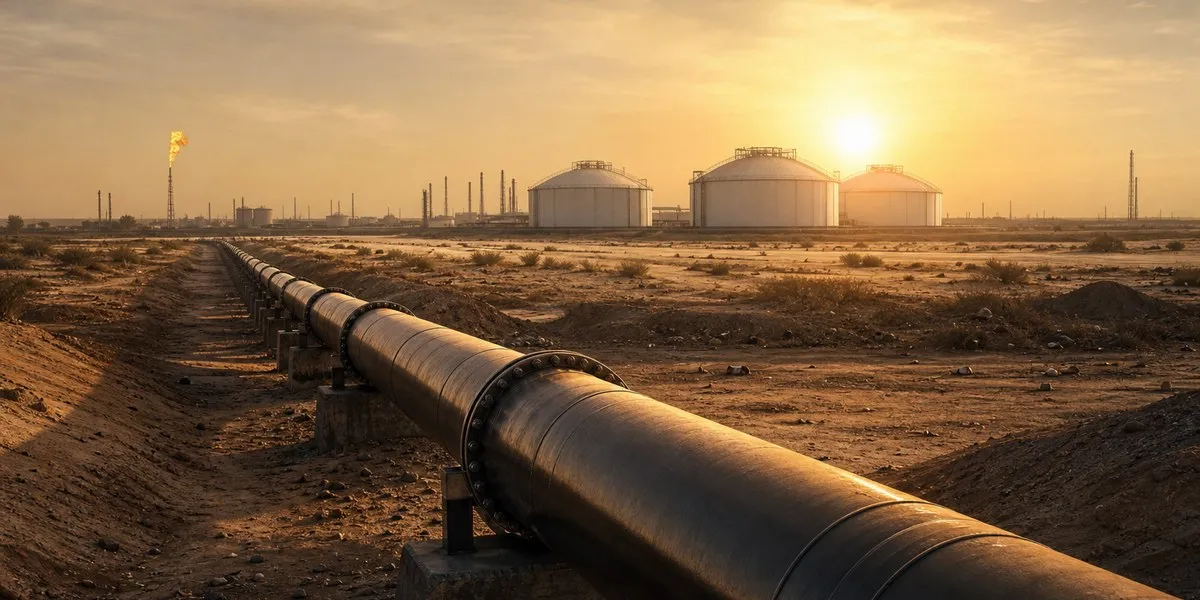
The World Economic Forum published a report titled 'Powering AI at Scale' that identifies Jordan and Saudi Arabia as locations with high-quality geothermal resources. These nations possess significant potential to support the energy requirements of artificial intelligence infrastructure within the Middle East and North Africa. By evaluating regional geological assets, the report positions both countries as key areas for renewable power development. The study provides a technical assessment of how such natural heat sources can provide the consistent electricity supply demanded by modern computing operations. Jordan and Saudi Arabia appear as primary candidates for investment as global demand for energy-intensive digital processing continues to grow across the region.
Energy Challenges for Digital Growth
The World Economic Forum report identifies reliable electricity supply as a primary challenge for digital infrastructure expansion in the Middle East and North Africa. Rising regional temperatures and increasing pressure on water resources complicate the development of traditional cooling and power solutions for large-scale computing centers. The necessity for a stable energy source is critical, as the operational requirements for artificial intelligence demand uninterrupted power to maintain the integrity of complex digital workloads.
Enhanced geothermal systems represent a potential technical solution to these energy constraints. Implementation of this technology requires drilling wells to depths exceeding 2.5 kilometers. Engineers then extend these wells horizontally for approximately 1.5 kilometers to reach the necessary thermal reservoirs. This specific technical configuration allows for the extraction of heat from deep underground formations that are otherwise inaccessible using conventional drilling techniques. By reaching these depths, developers can tap into consistent thermal energy that remains unaffected by surface weather conditions or seasonal shifts in climate.
Geothermal energy provides two distinct pathways for supporting digital infrastructure. Operators can utilize the heat to generate electricity continuously around the clock, providing a stable baseload power supply. This constant generation capability is essential for data centers that require high-availability power to prevent service disruptions. Alternatively, facilities can apply geothermal heat directly to cool data centers through the use of absorption chillers. This dual-purpose application offers an approach to managing the thermal requirements of high-density processing equipment while reducing reliance on external power grids.
The utilization of absorption chillers is particularly relevant for the Middle East and North Africa, where traditional mechanical cooling systems often consume significant amounts of electricity. By leveraging the geothermal heat directly, data center operators can mitigate the energy intensity associated with maintaining optimal operating temperatures for server hardware. This shift toward geothermal-integrated infrastructure addresses the dual challenges of power demand and thermal management. The World Economic Forum report suggests that by integrating these geothermal solutions, Jordan and Saudi Arabia can create a more sustainable framework for digital growth, effectively bypassing some of the limitations imposed by water scarcity and high ambient temperatures. As the region continues to prioritize digital transformation, the strategic deployment of geothermal assets will likely play a central role in the long-term viability of high-performance computing clusters. The technical viability of these systems, rooted in the ability to drill to the specified depths, provides a clear roadmap for future infrastructure investments.