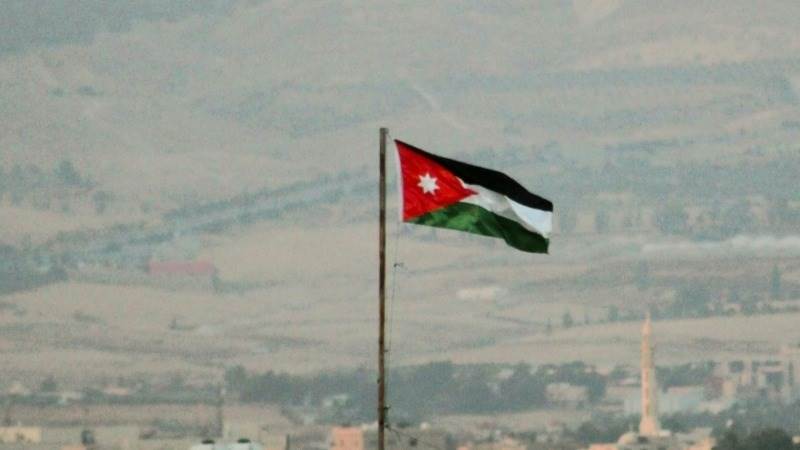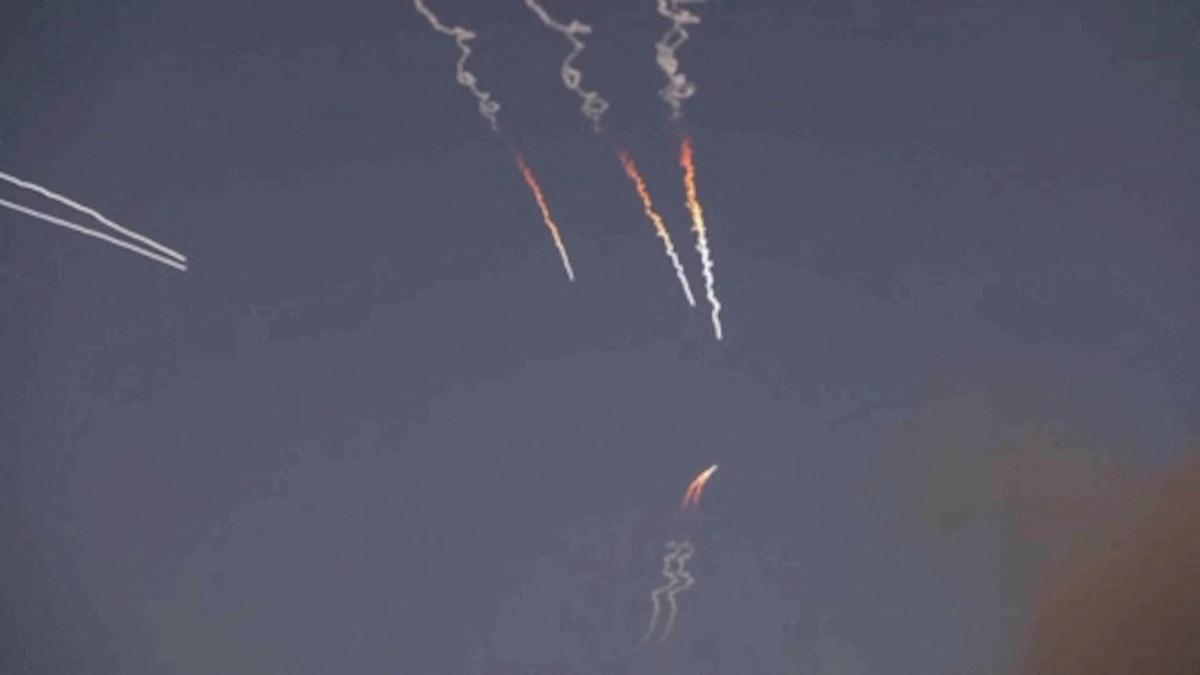
The U.S. Military reported its first troop fatalities from direct Iranian fire since the initial stages of the war on Saturday, following an attack on a base in Jordan. The incident resulted in two service members killed and another missing. This attack occurred after days of escalating exchanges of fire between involved parties, marking a significant escalation in the ongoing conflict. The U.S. Military on Saturday specifically announced these troop deaths, clarifying they were due to direct Iranian fire, the first such fatalities since the opening days of the war. The attack on the base in Jordan followed days of intensifying exchanges of fire across the region.
Escalating Hostilities Across Region
On Saturday, the most significant damage from Iranian strikes occurred in Kuwait, where authorities and the Kuwait Petroleum Corporation reported hits on a water desalination plant and an oil facility. This attack marked the second time in two days that a desalination plant in Kuwait was targeted; the nation relies on desalination for 90% of its drinking water. The repeated targeting of critical infrastructure like desalination plants shows the severe impact the conflict is having on civilian services and essential resources in the region. Kuwait's heavy dependence on desalination for its drinking water supply makes these facilities particularly vulnerable targets, raising concerns about humanitarian consequences.
Meanwhile, Iraq announced it had successfully shot down attack drones over the city of Irbil. This defensive action notes the widespread nature of the aerial threats being employed in the conflict, with drones increasingly becoming a common weapon. Jordan's state-run Petra news agency also reported that the kingdom's air defense systems intercepted and downed Iranian missiles, demonstrating another layer of defensive measures being deployed by regional actors. These interceptions indicate the broad geographic reach of the missile and drone attacks and the efforts by various nations to protect their sovereignty and infrastructure.
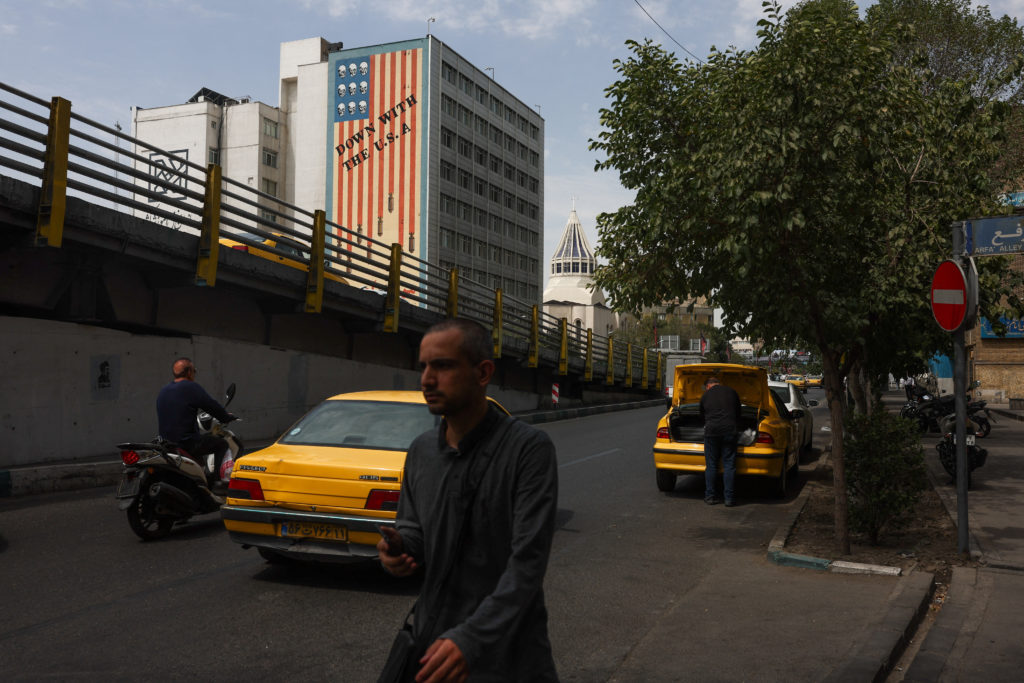
In response to these regional attacks, U.S. Airstrikes targeted an electricity and desalination plant in Iran's southern Hormozgan province, according to Iranian state TV. This retaliatory strike by the U.S. Demonstrates the tit-for-tat nature of the escalating hostilities. Iran's state-run news agency IRNA detailed the destruction of the Bonji desalination plant, stating that the damage had cut off water supplies to approximately 10,000 people. The destruction of the Bonji plant and the subsequent disruption of water supplies to a significant population segment show the severe humanitarian impact of attacking civilian infrastructure, a recurring theme in the broader conflict.
Broader Conflict Context
Since the war began, 16 U.S. Service members have been killed and over 430 wounded. These figures reflect the cumulative toll on U.S. Forces operating in the region since the conflict's outset. Iranian authorities have stated that at least 50 people have been killed and more than 500 wounded in U.S. Strikes over the past three weeks. Among these casualties, eight individuals were killed in a strike on a bridge on Friday, according to Iranian officials. These reported casualties from both sides illustrate the intense and deadly nature of the ongoing military engagements. The strike on the bridge, specifically, points to targeted attacks on infrastructure within Iran itself, adding another dimension to the hostilities.
The escalating conflict has also impacted maritime activity. After the war started with U.S. And Israeli strikes on February 28, Iran effectively closed the Strait of Hormuz to shipping traffic. This move has significant implications for global oil transit, as the strait is a critical choke point for maritime trade, through which a substantial portion of the world's seaborne oil passes. The closure of such a vital waterway has immediate and broad economic consequences, affecting international energy markets and supply chains. This action by Iran demonstrates its capability and willingness to disrupt global commerce as part of its strategic response to the conflict.
Iranian Response and Diplomatic Fallout
Friday's drone and missile attack, which resulted in troop fatalities, also sent four additional service members to hospitals, the military reported. This detail notes the immediate medical impact and the number of personnel requiring urgent care following the assault. The incident further complicated diplomatic efforts as an Iranian negotiator announced Tehran was suspending its commitments to the interim deal. That agreement, signed approximately a month prior, had been intended to permanently end the ongoing fighting. The negotiator's statement indicated a significant shift in Iran's posture regarding the temporary ceasefire arrangements, signaling a potential abandonment of a key de-escalation framework. The interim deal's suspension removes a critical diplomatic tool designed to de-escalate tensions, potentially leading to further uncertainty and instability in the region. This development follows weeks of escalating exchanges and the recent U.S. Troop fatalities, showing the fragility of any peace efforts amid active hostilities.