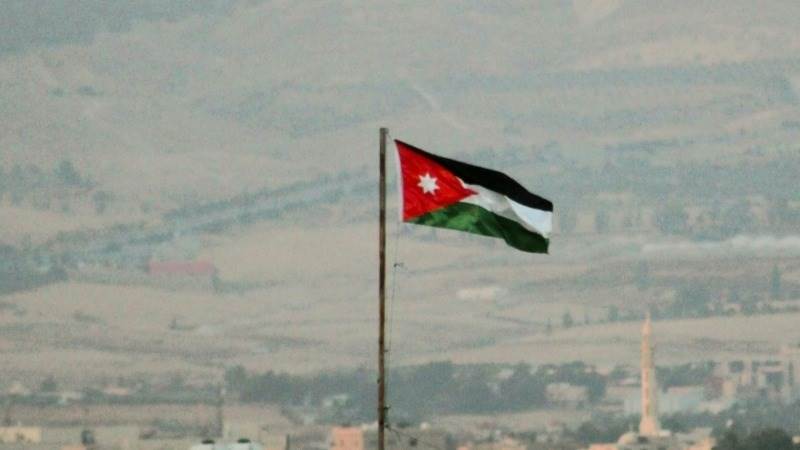
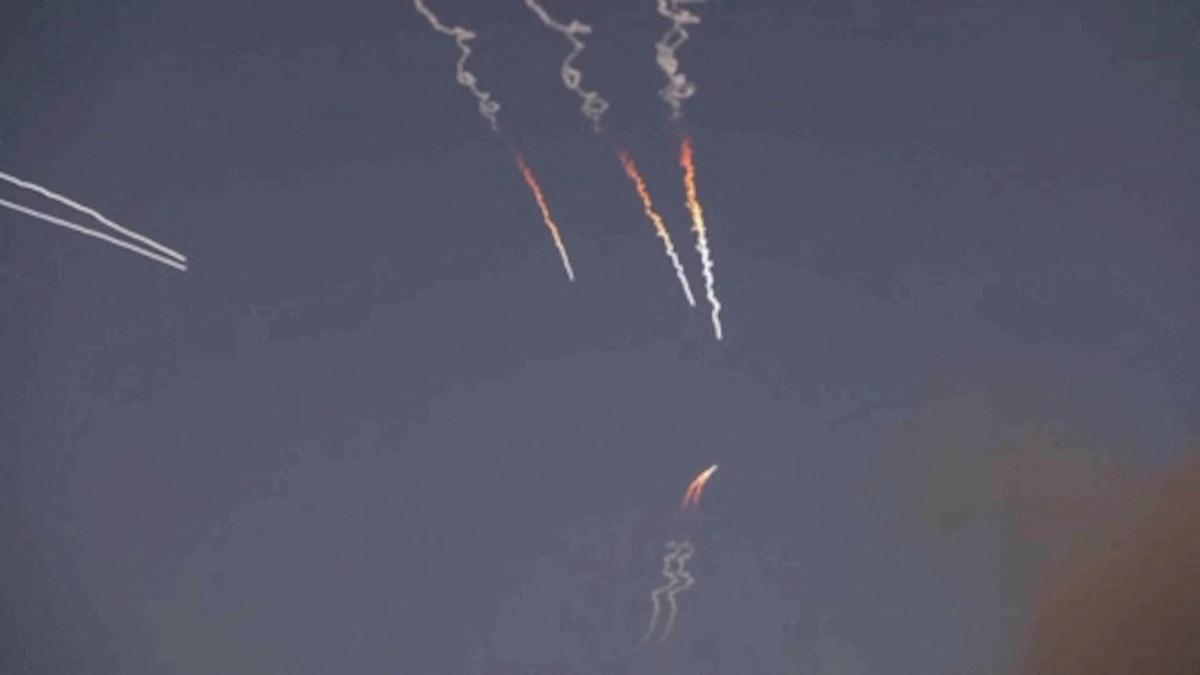
Two U.S. Troops died and one remains missing following Iranian attacks on a base in Jordan, marking the first U.S. Deaths directly attributed to Iranian fire since the initial days of the war. The incident occurred Friday, with Iran claiming the strikes were "attacks on power infrastructure." The loss of two U.S. Service members, with a third still unaccounted for, represents a significant escalation in the regional conflict. These casualties mark a somber milestone, as they are the first U.S. Deaths directly resulting from Iranian fire since hostilities commenced. The attack on the base in Jordan has drawn immediate international attention and concern regarding the widening scope of the conflict. Jordan’s air defense systems reportedly downed Iranian missiles during the assault, demonstrating the country's readiness to defend its airspace against incoming threats. This defensive action by Jordanian forces prevented potentially greater damage and loss of life. Four additional service members required medical evacuation to Jordanian hospitals, where they received immediate medical attention for their injuries. Fortunately, these four individuals were later discharged from the hospitals, indicating their injuries were not life-threatening, though the incident shows the inherent dangers faced by personnel stationed in the region. The swift medical response notes the strong support infrastructure in place for U.S. Forces and their allies. The Iranian claim that these strikes were merely "attacks on power infrastructure" has been met with skepticism, particularly given the human cost and the military nature of the target.
Kuwait Under Fire
Significant damage from Iranian strikes on Saturday occurred in Kuwait, hitting a water desalination plant and an oil facility. The attacks injured several people at the oil facility and caused a fire at the desalination plant, according to reports. The targeting of critical infrastructure in Kuwait by Iranian forces represents a direct threat to the country's economic stability and public welfare. The incident at the oil facility resulted in injuries to several individuals, noting the immediate human impact of these assaults. Simultaneously, a fire broke out at the water desalination plant, a facility vital for Kuwait's fresh water supply. Kuwait briefly closed its airspace due to missile threats following the incidents, a precautionary measure taken to ensure the safety of civilian aircraft and to assess the trajectory of incoming projectiles. This temporary closure caused disruptions to air travel, further illustrating the broad consequences of the regional tensions.
The strikes prompted a response from emergency services, with several firefighters and a worker sustaining injuries while battling blazes sparked by the Iranian attacks in Kuwait. These brave first responders faced dangerous conditions as they worked to contain the fires and prevent further destruction. The injuries sustained by firefighters and a civilian worker show the broader impact of these attacks beyond military targets, affecting those dedicated to public safety and essential services. Iran previously claimed the strikes were "attacks on power infrastructure," a narrative that contrasts sharply with the actual damage inflicted on civilian and industrial facilities. Kuwait's critical infrastructure was severely affected, particularly its water supply. The nation relies on desalination for 90% of its drinking water, making the plant a vital asset for the entire population. The damage to such a key facility poses a significant risk to public health and daily life, raising concerns about the long-term implications for Kuwaiti citizens. The targeting of a desalination plant, which is indispensable for providing potable water, points to an intent to disrupt fundamental services and create widespread hardship. The dependency on desalination for nearly all of Kuwait's drinking water means that any sustained attack on these facilities could lead to a humanitarian crisis.
Broader Regional Impact
Iraq reported shooting down attack drones over the city of Irbil, signaling a broader reach of regional hostilities. The interception of these drones over Irbil indicates that the conflict's geographical scope is expanding, drawing in additional nations and presenting new challenges for regional security. The incident in Irbil occurred amidst a period of heightened tensions across the Middle East, with various actors engaged in a complex web of military actions and counter-actions. This event shows the widespread nature of the current instability, where threats can emerge in unexpected locations. Air sirens sounded multiple times in Bahrain and Saudi Arabia, indicating potential threats or alerts in those countries. These repeated alerts serve as a stark reminder of the constant state of vigilance required across the Gulf region. These alerts reflect an increased state of readiness and concern among regional governments, which are taking all necessary precautions to protect their populations and critical infrastructure from potential attacks. The frequent activation of air defense systems and warning sirens notes the widespread sense of insecurity that has gripped the region.
Iran effectively closed the Strait of Hormuz to shipping traffic after the war started on February 28. This unilateral action by Iran has had immediate and profound repercussions for global commerce and energy security. The closure of the strait, a critical chokepoint for global oil shipments, has significant implications for international trade and energy markets. Approximately one-fifth of the world's total oil consumption, along with a substantial volume of liquefied natural gas, passes through this narrow waterway daily. The disruption of such a vital maritime route can trigger severe economic consequences, including soaring oil prices and supply chain disruptions worldwide. Iran had previously stated that its actions were "attacks on power infrastructure," a claim reiterated by Iranian officials even as their military moves directly impacted international shipping lanes. This narrative appears to be an attempt to justify broader military actions under a more limited pretext. International maritime authorities have issued warnings to vessels operating in the region due to the increased risk of disruption and potential confrontation following the closure. These warnings advise ships to exercise extreme caution, consider alternative routes, and be prepared for potential interference, further complicating an already complex and volatile shipping environment. The closure of the Strait of Hormuz represents a significant escalation, directly impacting global economic stability and demonstrating Iran's capability to exert pressure on international trade.
The United States reimposed a naval blockade on Iranian ports in the past week to halt crude oil shipments. This decisive action by the U.S. Government aims to intensify economic pressure on Iran, seeking to curtail its primary source of revenue. The blockade aims to restrict Iran's ability to export oil, which is a primary source of revenue for the country and a critical component of its economy. By cutting off these vital exports, the U.S. Hopes to limit Iran's financial capacity to fund its military operations and regional proxies. This measure by the U.S. Government adds another layer of economic pressure to the ongoing conflict, complementing existing sanctions and diplomatic efforts. The reimposition of the naval blockade signals a strong commitment from the United States to counter Iranian aggression. Naval assets from the U.S. And its allies have reportedly increased their presence in the waters surrounding Iranian ports to enforce the blockade, establishing a visible and active deterrent. This increased naval presence ensures that the blockade is effective in preventing oil tankers from entering or leaving Iranian ports. The action is expected to impact global oil prices and supply chains, further complicating the economic landscape in an already volatile region. Analysts are closely watching how the market will react to this significant reduction in oil supply, particularly given the existing tensions and disruptions in other parts of the world. The blockade could lead to upward pressure on crude oil prices and potentially affect the availability of petroleum products globally.
Escalating Retaliation
The U.S. Central Command reported its seventh consecutive night of strikes targeted "surveillance sites, military logistics infrastructure, underground weapons storage, and maritime capabilities" in the region. These sustained U.S. Military operations are part of a broader strategy to degrade Iran's military capabilities and deter further aggression. The consistent targeting of these specific assets indicates a systematic approach to dismantling key elements of Iran's operational infrastructure. These actions followed U.S. Airstrikes that impacted an electricity and desalination plant in Iran’s southern Hormozgan province. The targeting of such critical civilian infrastructure by U.S. Forces marks a significant shift in the nature of the retaliatory strikes, moving beyond purely military targets. The Bonji desalination plant in Iran was destroyed during the strikes, leading to a cutoff of water supplies for approximately 10,000 people. The destruction of this plant has immediate and severe humanitarian consequences, depriving a substantial population of essential drinking water.
A desalination plant located on Qeshm Island also sustained damage in the recent attacks. The damage to a second desalination facility further exacerbates the water supply crisis in the region, affecting even more Iranian citizens. Overnight strikes further impacted two tunnels and a bridge, disrupting a highway that leads toward the port city of Bandar Abbas. The targeting of transportation infrastructure, including tunnels and a bridge, aims to impede the movement of goods and military supplies, thereby disrupting Iran's logistical networks. This disruption to a major highway leading to Bandar Abbas, a key commercial and military port, could have significant economic and strategic implications for Iran. Iranian officials, for the first time, acknowledged "attacks on power infrastructure" during the U.S. Airstrikes on Friday. This admission by Iranian authorities, mirroring their own earlier claims about their attacks on Kuwait, notes the reciprocal nature of the infrastructure targeting in the ongoing conflict. This acknowledgment by Iran represents a notable shift in their public messaging, as they previously downplayed the extent of damage to their own facilities.
International Condemnation and Response
Jasem Mohamed al-Budaiwi, Secretary General of the Gulf Cooperation Council, accused Iran of committing "war crimes" through its strikes on infrastructure and civilian facilities. This strong condemnation from a prominent regional body shows the international community's alarm at the nature of Iran's attacks. Al-Budaiwi's accusation of "war crimes" indicates a severe breach of international humanitarian law, particularly concerning the targeting of non-military sites essential for civilian life. Tehran announced it is suspending its commitments to the interim deal signed approximately a month ago. This decision by Iran to suspend its commitments to the recent interim agreement signals a further deterioration of diplomatic relations and a potential abandonment of efforts to de-escalate the conflict through negotiated means. The suspension of the deal could lead to a more unpredictable and dangerous phase of the conflict. Iranian authorities reported that at least 50 people have been killed and over 500 wounded in U.S. Strikes over the past three weeks. These figures, provided by Tehran, paint a grim picture of the human cost of the U.S. Retaliatory actions within Iran. Among these casualties, eight individuals were killed in a strike on a bridge on Friday, illustrating the lethal impact of the bombings on infrastructure and those in its vicinity.
U.S. Officials acknowledged that 13 additional U.S. Service members—10 Army soldiers and 3 Navy sailors—have been injured since Monday. This admission from U.S. Authorities reveals the continuing toll on American forces operating in the region, even beyond the initial fatal attack in Jordan. These injuries highlight the ongoing risks and dangers faced by service members on a daily basis. Since the war began, a total of 14 U.S. Service members have been killed and 427 wounded. These cumulative figures show the significant human cost of the conflict for the United States, reflecting both direct combat engagements and other incidents in a volatile operational environment. The total number of casualties demonstrates the scale of the challenges faced by U.S. Forces as they navigate the complexities of the regional conflict. Iran previously described its actions as "attacks on power infrastructure," a consistent but often misleading narrative used to characterize its military operations throughout the conflict.