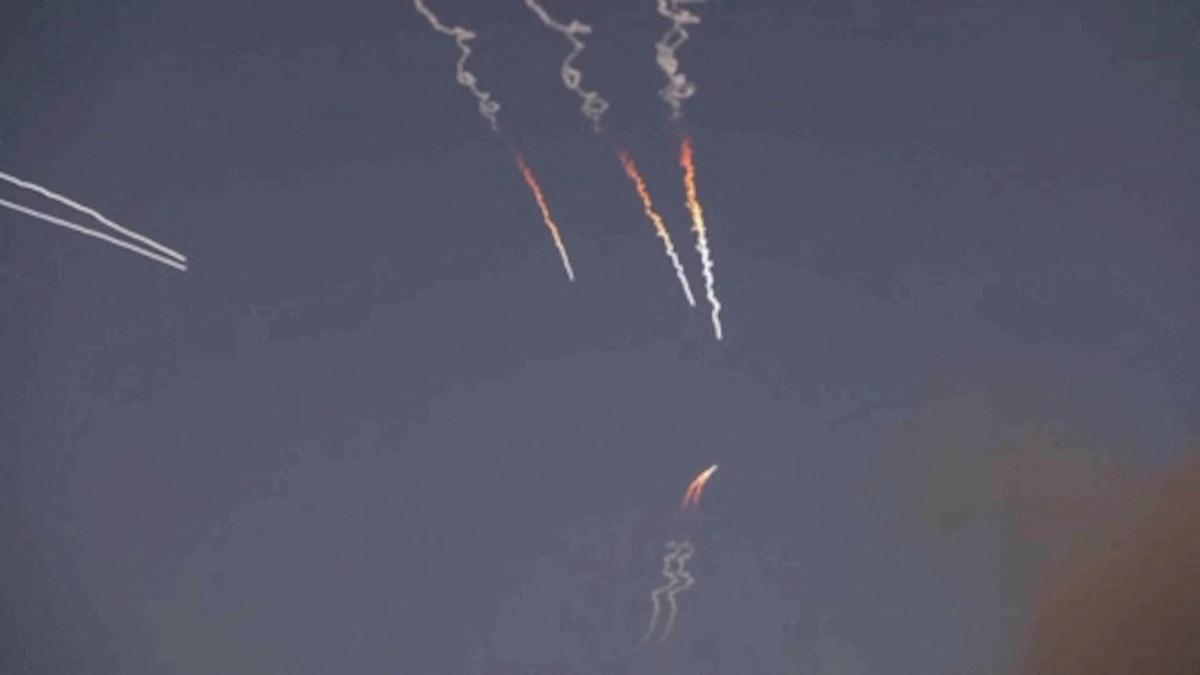
The U.S. Military conducted new airstrikes against Iran early Sunday, targeting an area near Sirik on the Strait of Hormuz. The strikes occurred around 1:30 a.m. Local time on Sunday, according to reports, marking a significant escalation in regional tensions. The U.S. Military indicated the action was intended to "swiftly punish" Iran, specifically its Revolutionary Guard, following a recent attack on a base in Jordan that resulted in American casualties. The location near Sirik, situated within Iran's Hormozgan province, is strategically important due to its proximity to the Strait of Hormuz, a critical oil shipping route. This latest military operation shows the increasing volatility in the Middle East and the direct confrontation between U.S. Forces and Iranian-backed entities. The airstrikes mark an escalation in military engagements in the region, with immediate repercussions for international shipping and geopolitical stability.
Escalating Tensions and Retaliation
The strikes by the U.S. Military were explicitly intended to "swiftly punish" Iran's Revolutionary Guard following an attack on a base in Jordan. That incident resulted in the deaths of two American service members, left one missing, and caused four others to require hospitalization, noting the human cost of the ongoing conflict. Since the war began, the toll on American forces has been substantial, with 16 U.S. Service members killed and more than 430 wounded across various incidents. The last recorded death of a U.S. Service member prior to the Jordan attack occurred earlier this month when a helicopter pilot crashed in the Arabian Sea, showing the persistent dangers faced by American personnel in the region.
On Saturday, Iranian state media reported that U.S. Airstrikes had targeted an electricity and desalination plant in Hormozgan. These reports also indicated damage to tunnels and bridges, which disrupted a main highway leading toward Bandar Abbas, a key port city. The reported damage to civilian infrastructure has drawn sharp criticism from Iranian authorities. Separately, a drone strike early Sunday hit a base belonging to the Kurdistan Freedom Party near Irbil, Iraq, injuring eight of its members. This incident adds to a pattern of aggression in the area, as Irbil has been subjected to multiple drone attacks over the past four days, indicating a sustained campaign against targets in the Iraqi Kurdistan region.
Earlier in the conflict, an Iranian drone strike on a command center in Kuwait resulted in the deaths of six soldiers, demonstrating Iran's capability to project power beyond its borders and target military installations. On Saturday, the most significant damage from Iranian strikes occurred in Kuwait, where both a water desalination plant and an oil facility were struck. These attacks on critical infrastructure raise concerns about the broader humanitarian and economic impact of the conflict, particularly for nations heavily reliant on such facilities.
Strategic Importance of Hormuz
The Strait of Hormuz accounted for roughly 20% of global oil supplies before the ongoing conflict, making it an indispensable artery for international energy markets. The strategic significance of this waterway has long been a point of contention and a potential flashpoint. Former President Trump previously threatened to target Iran's power stations and bridges in an effort to compel Tehran to loosen its control over the vital shipping lane, illustrating the high stakes involved in maintaining freedom of navigation through the strait. Such threats show the long-standing international concern over Iran's influence in this critical maritime chokepoint.
In the past week, the U.S. Reimposed a naval blockade on Iranian ports, aiming to halt the country's crude oil shipments. This measure is a direct attempt to exert economic pressure on Iran by disrupting its primary source of revenue. The U.S. Military reported on Saturday that since the blockade's reinstatement, it had redirected five ships and disabled one, signaling the effectiveness of the naval operation in interdicting Iranian maritime trade. This action follows earlier U.S. Military statements indicating an intent to "swiftly punish" Iran, linking the economic pressure to the broader military response. The recent U.S. Airstrikes near Sirik, which is located in Iran's Hormozgan province, further show the strategic significance of the region. The area is critical due to its proximity to the Strait of Hormuz, a key conduit for international oil trade, making any military action there particularly impactful on global energy security.
Iranian Response and Warnings
Iran effectively closed the Strait of Hormuz to shipping traffic following the outbreak of war with U.S. And Israeli strikes on February 28, a move that immediately sent shockwaves through global markets and noted Iran's capacity to disrupt international commerce. Moments before the U.S. Announced troop deaths on Saturday, Iran's supreme leader issued a stern warning, stating that there would be "unforgettable lessons" if the U.S. Continued attacking the Islamic Republic. This declaration signals Iran's resolve and its readiness to retaliate against perceived aggressions. Kazem Gharibabadi, Iran's deputy foreign minister, later asserted that the U.S. Had violated its commitments under the interim deal, a diplomatic agreement aimed at de-escalating tensions. Gharibabadi told state TV that Iran was "no longer implementing them" in response to perceived U.S. Breaches, indicating a breakdown in diplomatic channels and a shift towards a more confrontational stance. This withdrawal from commitments further complicates efforts to de-escalate the conflict and signals a hardening of Iran's position. Prior to the current casualties, the last recorded death of a U.S. Service member occurred earlier this month when a helicopter pilot crashed in the Arabian Sea, a tragic reminder of the inherent dangers faced by military personnel operating in the volatile region.
Regional Impact and Accusations
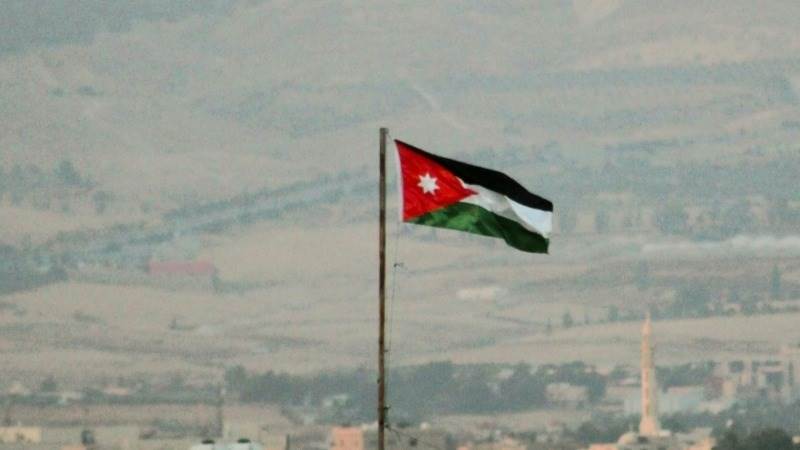
Iranian authorities reported Saturday that United States strikes over the past three weeks have resulted in at least 50 fatalities and more than 500 injuries, including eight individuals killed in a Friday strike on a bridge. These figures, if confirmed, paint a grim picture of the humanitarian cost of the escalating conflict and are likely to fuel anti-American sentiment within Iran. Jordan's state-run Petra news agency indicated that the kingdom's air defense systems successfully intercepted and downed Iranian missiles, demonstrating the regional spread of the conflict and the defensive measures being taken by neighboring states. Air sirens were heard multiple times in Bahrain throughout Saturday, showing the widespread sense of insecurity and the constant threat of attack experienced by populations in the Gulf. Kuwait, which relies on desalination for 90% of its drinking water, faced significant infrastructure threats, particularly after the targeting of its desalination and oil facilities. The vulnerability of such vital resources notes the potential for widespread humanitarian crises should the conflict intensify further. The secretary-general of the Gulf Cooperation Council accused Iran of war crimes, citing strikes on vital infrastructure and civilian facilities, a grave accusation that could have significant international legal and diplomatic ramifications. These accusations reflect the deep concern among regional allies about Iran's actions and the potential for broader destabilization.