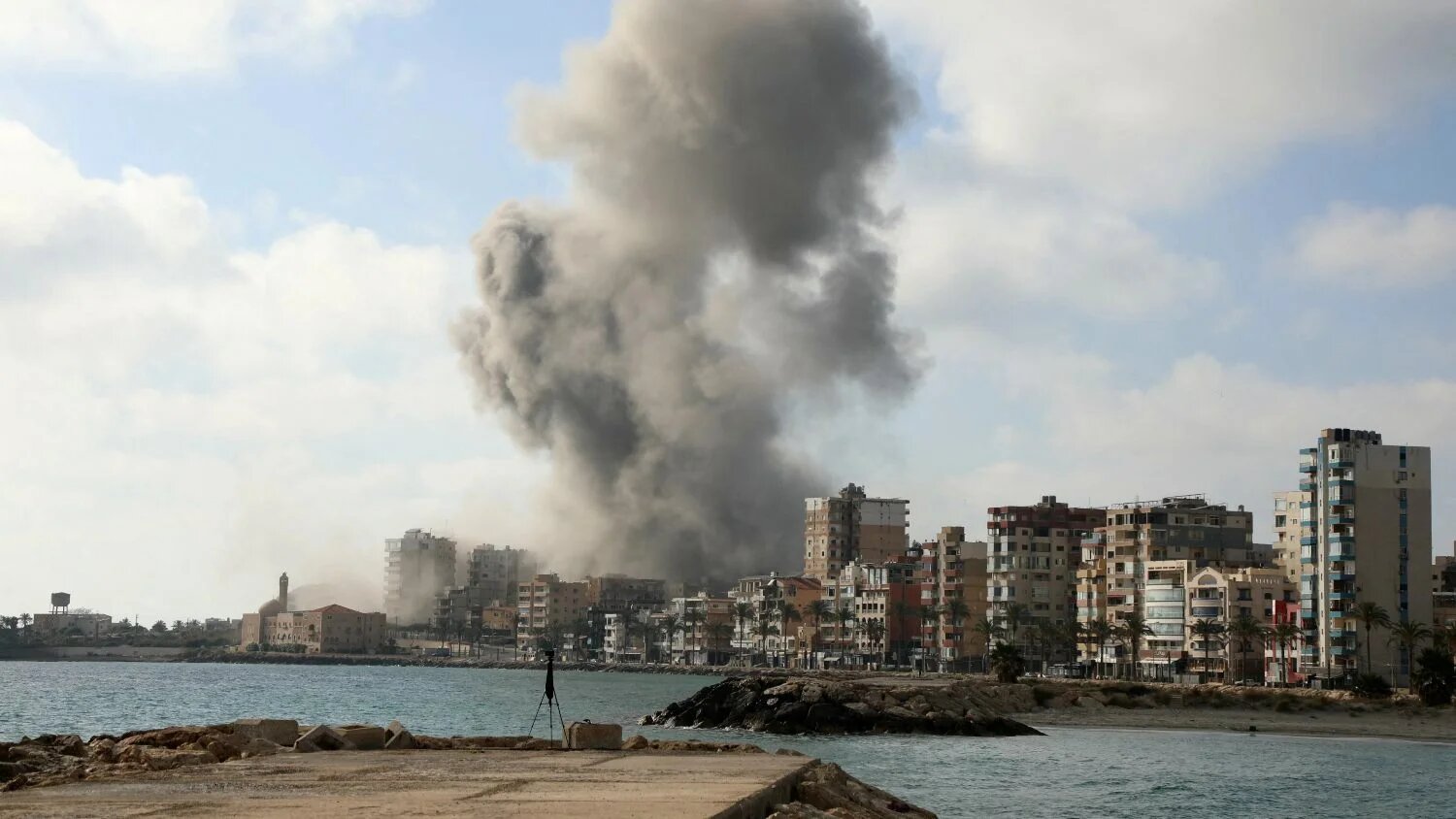
The US State Department issued a security alert for American citizens in Jordan on Friday, advising them to exercise increased caution due to escalating regional dynamics. The alert specifically cited heightened tensions in the region, including the ongoing conflict between Israel and Iran, as the primary reason for the advisory. This precautionary measure was deemed necessary amid renewed regional tensions following a series of exchanges between Iran and Israel, which have significantly impacted the broader security landscape. It urged Americans to remain vigilant and avoid areas near demonstrations, which have occurred frequently in the capital Amman and other cities. The State Department's communication emphasized the potential for unrest and urged citizens to review personal security plans, stay informed about local events, and be prepared for potential travel disruptions. This guidance aims to ensure the safety and security of US nationals residing in or traveling through Jordan, providing them with actionable advice in a volatile environment.
Specific Safety Instructions
The US State Department's security alert provided specific instructions for American citizens in situations of immediate danger. The advisory recommended that individuals "seek overhead cover and shelter in place immediately," according to a communication from the US State Department via X. This directive was issued to ensure prompt action in the event of sudden security incidents. Beyond immediate protective actions, the alert also instructed US nationals to remain indoors during security incidents, further emphasizing the importance of seeking safe shelter. Citizens were advised to consistently follow local safety announcements issued by Jordanian authorities or other relevant organizations, showing the need to adhere to official guidance from local sources. These full measures are intended to guide Americans on how to react to rapidly developing security situations in the country and minimize personal risk by adhering to official guidance. The instructions show the critical need for vigilance and preparedness among those in Jordan, ensuring they are equipped to respond effectively to potential threats.
Regional Context for Alert
The alert from the US State Department was issued as renewed regional tensions emerged, primarily driven by a series of exchanges between Iran and Israel. These developments have contributed to an atmosphere of heightened concern across the Middle East, necessitating increased vigilance from international bodies. The escalating situation between the two nations has prompted various governments to reassess security advisories for their citizens in the region, reflecting a widespread concern over potential spillover effects. Jordan, bordering both Israel and other affected areas, is particularly susceptible to the spillover effects of such tensions due to its geographical proximity and strategic importance. The US State Department's decision to issue the alert for American citizens in Jordan reflects a precautionary measure in response to the volatile geopolitical landscape. The ongoing exchanges between Iran and Israel have created an environment where the risk of broader instability is considered elevated, profoundly influencing travel and security assessments for foreign nationals throughout the area.
Nature of Airspace Reports
Adding to the regional concerns, reports indicated the presence of missiles, drones, or rockets within Jordan's airspace. These reports emerged as regional tensions heightened, directly contributing to the security alert issued by the US State Department. The nature of these aerial objects, whether identified as missiles, drones, or rockets, was a key factor in assessing the potential risks to civilian air travel and ground operations. Such incidents in national airspace often prompt immediate responses from air traffic control and defense authorities to ensure public safety, noting the seriousness of these incursions. The confirmed presence of these airborne threats showed the volatile security conditions in the broader Middle East, particularly concerning the ongoing exchanges between Iran and Israel. This situation necessitated increased vigilance and the implementation of protective measures for those within Jordanian territory, reinforcing the urgency of the State Department's advisory.