Jordan is preparing its third Voluntary National Review (VNR) concerning the implementation of the 2030 Sustainable Development Goals. This full review outlines the progress achieved and the significant challenges still faced by the Hashemite Kingdom in striving to meet the global targets established by the United Nations. The VNR presentation is a critical event that will take place at the United Nations High-Level Political Forum, providing an international platform for Jordan to share its experiences and commitments. This process is not merely a reporting exercise but an opportunity for critical self-assessment and a call for more strong engagement across all sectors of society.
Progress and National Frameworks
In its commitment to the 2030 Agenda, Jordan's national data system has seen considerable improvements. The Jordan Development Portal, a central component of this system, has significantly expanded its provision of indicators that can be meticulously monitored and tracked. This enhancement in data collection and dissemination is key for evidence-based policymaking and for transparently assessing progress towards the Sustainable Development Goals. The Sustainable Development Goals (SDGs) have been deeply integrated into national frameworks, most notably within the overarching Economic Modernisation Vision. This strategic integration aims to ensure that Jordan's national development priorities are not only aligned with but actively contribute to the broader global sustainability agenda. This linkage demonstrates a clear intent to embed the principles of sustainable development into the core of the nation's economic and social planning.
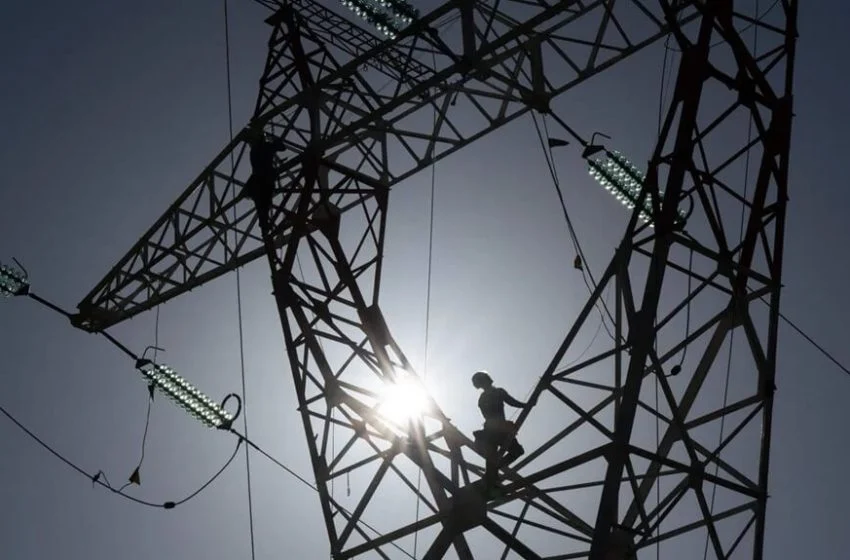
Beyond strategic alignment, tangible efforts have also been directed towards several key areas. These include strengthening social protection measures, which are vital for safeguarding vulnerable populations and reducing inequalities. Concurrently, there has been a concentrated focus on enhancing food security planning across the country, a critical endeavor given regional and global uncertainties. Digital transformation initiatives are actively underway, aiming to modernize public services and foster innovation. Alongside these, efforts are being made to improve access to quality education for various segments of the population, recognizing education as a fundamental driver of sustainable development. Jordan has dedicated significant resources to expanding its renewable energy capacity, moving towards a more sustainable energy mix, and implementing essential reforms within the water sector to address the pressing resource challenges the country faces.
Persistent Challenges and Policy Gaps
Despite these commendable efforts, Jordan continues to grapple with several persistent and complex challenges that impede its full realization of the SDGs. A critical concern is water scarcity; Jordan is categorized as one of the most water-scarce countries globally. This severe and persistent challenge profoundly complicates efforts related to sustainable development and resource management within the kingdom, demanding innovative and long-term solutions.
Further hindering effective policy formulation and implementation, poverty data is not regularly updated. This significant lack of current and full information weakens the government's ability to accurately assess the impact and efficacy of social policies specifically designed to alleviate poverty. Without up-to-date data, interventions may not be adequately targeted or adjusted to meet the evolving needs of the most vulnerable populations.
The issue of unemployment remains a critical socio-economic concern, with rates staying elevated, particularly affecting young people and women across various sectors of the economy. This demographic challenge indicates a pressing need for more targeted and effective interventions to integrate these groups more robustly into the workforce, fostering inclusive economic growth.
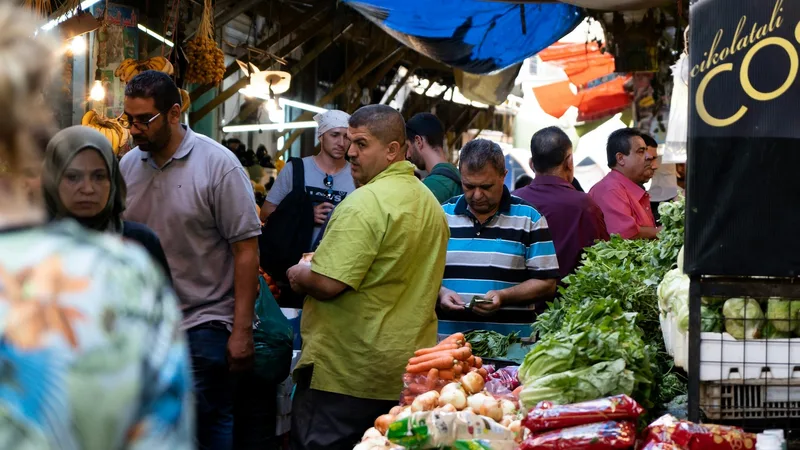
Households in Jordan are experiencing a continuous decline in purchasing power, a trend that exerts significant financial pressure. This decline is largely attributed to the rising cost of living, which has not been matched by corresponding increases in wages. Stagnant wages, coupled with escalating expenses for essential goods and services, together exert immense pressure on family budgets. Wage policies have unfortunately not been adjusted sufficiently to keep pace with the increasing cost of living, exacerbating financial strain for many citizens and contributing to a sense of economic insecurity.
The Need for Broader Participation
Jordan's third Voluntary National Review should not merely be a report but must mark the beginning of an honest and broadly inclusive national debate on key policies that shape the nation's development trajectory. The current economic landscape is characterized by an expansion of informal work, which often leaves workers without adequate protections. This is coupled with persistent gaps in social protection mechanisms, which fail to cover a significant portion of the workforce. Persistent challenges related to gender equality continue to hinder the full participation and empowerment of women in all spheres of life. Growing pressure on public services, strained by population growth and resource limitations, further complicates the delivery of essential provisions.
The lack of sufficient progress on several Sustainable Development Goal indicators is intrinsically linked to specific economic policy choices. Among these is a notable reliance on indirect and consumption taxes, which disproportionately affect lower-income households and can exacerbate economic inequalities. Labor policies, in particular, have often prioritized reducing operating costs for businesses and stimulating investment, sometimes without sufficient guarantees for ensuring decent working conditions or adequate social protection for employees. This approach, while aiming for economic growth, has inadvertently contributed to vulnerabilities within the labor market.
A significant concern regarding the VNR process itself is that the preparation of the report was not based on broad and systematic consultations with civil society organizations. While consultations were conducted by the Ministry of Planning and International Cooperation, these were perceived as selective and did not include many experienced organizations that possess valuable insights and expertise regarding development challenges and solutions. For Jordan to truly advance its SDG agenda, a more inclusive, transparent, and participatory approach is essential, ensuring that all voices, particularly those of civil society and affected communities, are heard and integrated into policy formulation and implementation. This collaborative spirit is vital for fostering national ownership and ensuring the sustainability of development efforts.