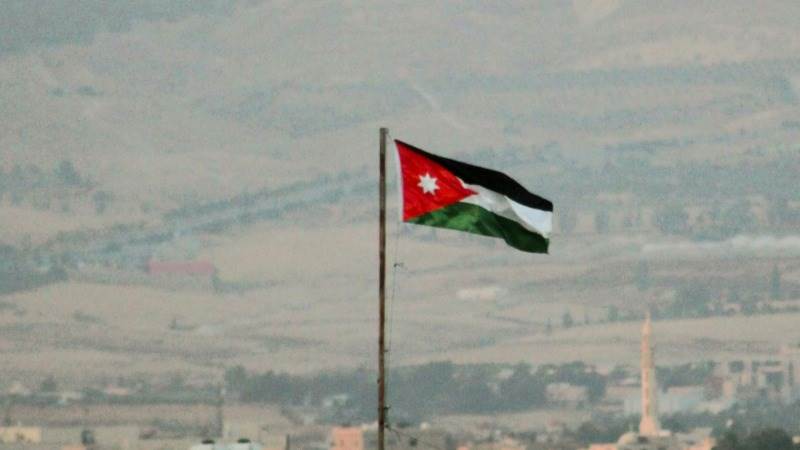
Ziad Mohammad Hassan Al-Kilani, a Jordanian pilgrim born in 1953, died in Mecca on May 20, 2026, at approximately 9:11 PM local time. Mr. Al-Kilani was performing Hajj rituals when the death occurred, joining millions of other Muslims in fulfilling one of the fundamental pillars of Islam. His passing shows the profound spiritual journey undertaken by pilgrims and the extensive support systems in place for them.
Pilgrim's Final Hours
Prior to his passing, Ziad Mohammad Hassan Al-Kilani sought medical attention at the medical mission operating in Mecca, which is specifically established to cater to the health needs of pilgrims during the Hajj. There, he received an initial diagnosis from the medical personnel. Following this assessment and due to the nature of his condition, Mr. Al-Kilani was transferred to a hospital located within Mecca for further specialized medical examinations and treatment. Throughout this critical period, he was accompanied by his wife, who remained by his side. The pilgrim subsequently passed away at the hospital, according to official reports from the Jordanian Hajj Mission. The medical mission and the hospital staff provided care, reflecting the full health services available to pilgrims in the holy city.
Official Response and Procedures
The Jordanian Hajj Mission is actively overseeing the situation following the death of Ziad Mohammad Hassan Al-Kilani, according to official statements released by the mission. This dedicated body, responsible for the welfare of all Jordanian pilgrims, is directly following up on all aspects related to the pilgrim's passing in Mecca. This full oversight includes ensuring that all necessary protocols are observed, from medical documentation to the respectful handling of the deceased, and that support is provided where needed during this difficult period for his family. The mission's involvement shows the unwavering commitment of Jordanian authorities to their citizens performing the Hajj pilgrimage, ensuring their safety and well-being even in unforeseen circumstances.
Coordination efforts are currently underway with the competent authorities in the Kingdom of Saudi Arabia to manage the procedures arising from Mr. Al-Kilani's death. These procedures typically involve a series of steps, including official documentation of the death, arrangements for the preparation of the body, and repatriation arrangements if requested by the family. Adherence to local regulations governing such incidents during the Hajj season is critical, and the collaborative approach between Jordanian and Saudi officials aims to streamline this sensitive process. This inter-governmental cooperation ensures a respectful handling of the matter in accordance with established international and local guidelines, reflecting the deep cooperation between the two nations in facilitating the Hajj.
Further, immediate communication has been established with the pilgrim's family in Amman, the capital of the Kingdom of Jordan. This direct contact ensures that Mr. Al-Kilani's relatives are promptly informed of the situation and any subsequent arrangements regarding the handling of his remains or other necessary procedures. The outreach to the family in the Kingdom of Jordan provides them with key updates and support during this difficult time, aligning with the responsibilities of the Hajj Mission to its citizens. This compassionate approach aims to alleviate some of the burden on the family during their period of grief.
Context of Hajj Mission
Ziad Mohammad Hassan Al-Kilani was part of the Kingdom of Jordan's official pilgrimage mission during the current Hajj season, which corresponds to 1447 AH / 2026 AD. This mission is a structured and organized body specifically tasked with overseeing Jordanian pilgrims, providing essential support, and coordinating with Saudi authorities throughout the entire pilgrimage period. The inclusion of Mr. Al-Kilani within the official contingent shows the careful and structured approach Jordan takes to facilitate its citizens' participation in the annual religious event. The Hajj season annually draws millions of pilgrims from around the globe to Mecca, requiring extensive logistical and administrative preparations not only from the host nation, Saudi Arabia, but also from participating nations like Jordan. The Jordanian Hajj Mission plays a key role in ensuring that its pilgrims can perform their rituals in an organized and supportive environment, managing everything from travel arrangements to health services and emergency responses. This full framework is designed to support pilgrims through every stage of their spiritual journey, reflecting the profound significance of the Hajj for Muslim communities worldwide.