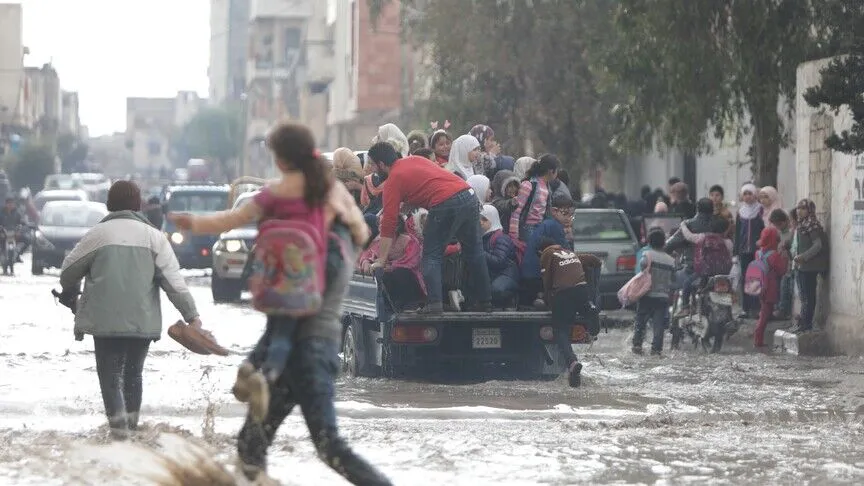
Operation Iron Wall in the northern West Bank has forcibly displaced around 54,000 Palestinians since January 2025. This military activity continues to impact local populations across the territory. Separately, settler attacks have displaced more than 6,200 Palestinians, including over 3,000 children. These incidents represent a significant shift in the demographic stability of the region. Jordanian officials have expressed concern regarding the cumulative effect of these displacements on the broader West Bank. Both military operations and actions by settlers contribute to the current conditions affecting residents in these areas. The figures reflect data collected regarding the scale of movement within the West Bank since the start of last year.
Escalating Military and Settler Pressure
United Nations data indicates that more than 1,600 settler attacks have occurred in 2026, resulting in Palestinian casualties or property damage. Foreign secretary Ed Miliband addressed the violence, stating, "The British government agrees that there is ethnic cleansing of Palestinians in areas of the West Bank – perpetrated by settler terrorists."
Israel has imposed at least 940 checkpoints and movement obstacles across the territory. These measures restrict the daily lives of the three million Palestinians who reside in the West Bank under Israeli military rule. The combination of physical barriers and frequent attacks continues to alter the security environment for the local population. International monitoring bodies maintain that these conditions create severe challenges for residents attempting to access essential services or maintain their homes. The current administrative framework remains in effect across the region, impacting the movement of millions.
Expansion of Settlement Infrastructure
Current data indicates that more than 500,000 Israeli settlers now reside across the West Bank. The Israeli government has overseen a consistent increase in this infrastructure, having approved 104 settlements since taking office in December 2022. These approvals represent a formal expansion of permanent residential sites within the territory.
Construction activity remains high, with at least 51,200 settler housing units having been advanced, approved, or tendered since 2025. These developments form part of the ongoing growth of settlement infrastructure that affects land use and local demographic distribution. The scale of these projects continues to influence the physical environment of the West Bank as administrative processes move forward. Authorities maintain these housing plans as part of their current policy framework. Future updates regarding these figures remain subject to ongoing ministerial reviews and planning committee decisions.
Economic Pressure and Financial Constraints
Israel has withheld around $7bn in Palestinian tax revenues. This sum represents about 65 percent of the Palestinian Authority's income. The freezing of these funds creates significant challenges for the administration of public services and the financial stability of the Palestinian Authority. By blocking these transfers, Israel directly impacts the ability of the Palestinian Authority to meet its budgetary obligations. The scale of the withheld revenue reflects a substantial portion of the total financial resources typically available to the Palestinian government. These fiscal measures operate alongside existing military and infrastructure constraints in the West Bank to exert pressure on the Palestinian population. Financial analysts and officials monitor the situation as the lack of these funds continues to hinder essential operations for the Palestinian Authority across the territory.
Historical Context and Regional Implications
Israel seized the West Bank, East Jerusalem, and Gaza during the 1967 Six-Day War. This military takeover established the foundational territorial control that continues to shape current administrative and security policies in the region. Following these developments, Jordan and Israel signed a peace treaty in 1994, formalizing diplomatic relations between the two neighbors.
The security environment underwent further change after Hamas attacks on southern Israel on 7 October 2023. These operations resulted in the deaths of around 1,200 people. The subsequent regional volatility has influenced ongoing tensions within the West Bank, where military operations and settlement expansion continue to alter the daily lives of residents. These events form the established sequence of territorial and political developments that have defined the current environment in the West Bank and its surrounding areas.