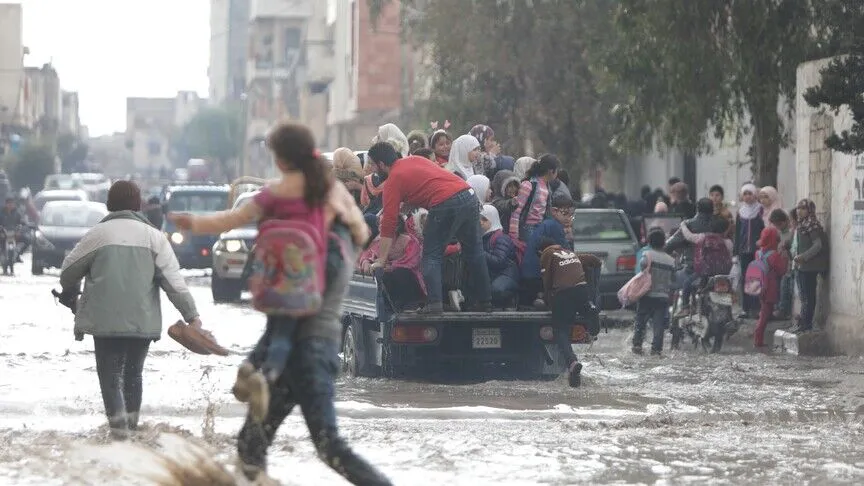
The World Food Programme has received $52.1 million in 2026 for its operations in Jordan, falling significantly short of the $170 million required to sustain its aid programs for the year. Officials report that this funding gap threatens the continuity of food assistance provided to vulnerable populations across the country. Financial projections indicate that the World Food Programme needs approximately $42.4 million to cover essential operations in Jordan from October 2026 through March 2027. These resources are required to maintain ongoing support as the agency contends with the current resource shortfall.
Reduced Assistance for Refugees
During September 2026, the World Food Programme provided food assistance to approximately 78,000 Syrian refugees residing in camps. Recipients received a reduced monthly transfer of $21 (JD15) per person.
The World Food Programme is also resuming monthly cash assistance in October 2026 for a priority group of vulnerable refugees living in host communities. This initiative follows a six-month suspension of aid for these households. The agency is targeting this assistance to support refugees facing the most severe economic conditions as funding constraints persist. These measures reflect the ongoing efforts by the World Food Programme to manage limited resources while maintaining essential services for displaced populations currently residing within Jordan.
Refugee Population Trends in Jordan
Approximately 230,000 Syrian refugees returned from Jordan to Syria between December 2024 and September 2026. This population movement represents a significant shift in the demographic landscape for displaced persons residing within the country.
As of September 2026, approximately 329,700 Syrian refugees were registered with the UNHCR in Jordan. These figures detail the current number of individuals officially documented by the agency within the kingdom. The data on registered refugees and those who have departed provide a count of the displaced population currently remaining in the host nation.
Broader Humanitarian and Feeding Programs
The World Food Programme school feeding program provided meals to around 510,000 students in refugee camps and host communities for the 2026 academic year. Beyond national programs in Jordan, the agency expanded its logistics reach in September 2026 by delivering 1,000 metric tonnes of wheat flour to Gaza. The World Food Programme also facilitated nine humanitarian convoys through the Jordan-Lebanon corridor. These shipments totaled 1,400 metric tonnes of supplies to support relief efforts in the region. These initiatives illustrate the agency's broader operational scope beyond its primary refugee assistance mandates as it balances regional emergency responses with its ongoing financial constraints.
National Food Security Challenges
A study conducted by the National Council for Food Security and the Department of Statistics identified significant levels of food waste across Jordan. Research findings indicate that annual food waste ranges between 81 and 93 kilograms per person. These figures reflect current consumption patterns and supply chain management issues within the kingdom. The data provide a baseline for understanding national resource utilization alongside the broader humanitarian aid mandates managed by international organizations. By quantifying these losses, the National Council for Food Security and the Department of Statistics aim to address systemic inefficiencies affecting domestic supply. Efforts to mitigate such waste remain a priority for officials attempting to bolster the stability of local food systems amidst regional financial constraints.