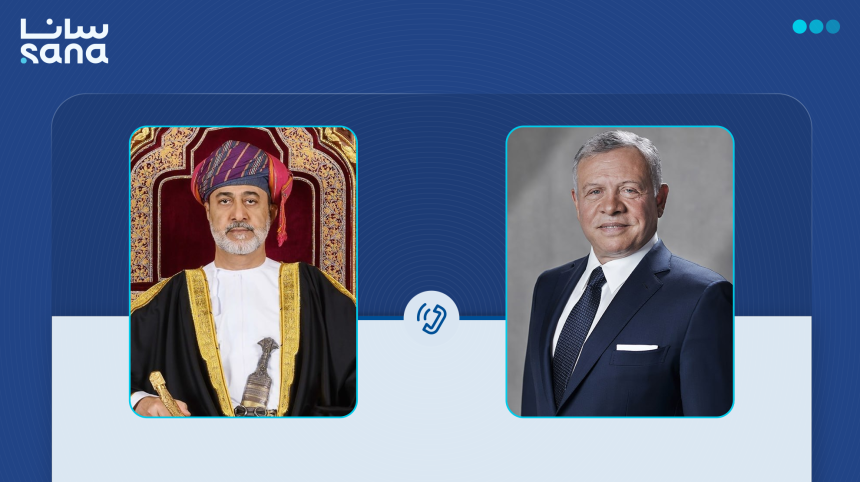
Jordan's King Abdullah II and Sultan Haitham bin Tariq of Oman held a phone call on Monday to discuss recent regional developments. The leaders focused on efforts to achieve full de-escalation across the region, according to reports. Their conversation centered on strategies to reduce tensions and promote stability, showing a shared commitment to regional peace. This report was published on May 25, 2026.
Shared Concerns on Escalation
Both King Abdullah II of Jordan and Sultan Haitham bin Tariq of Oman emphasized the risks associated with renewed escalation in the region during their phone call. The leaders stressed the potential for wider instability and negative consequences for regional peace, noting the urgency of their discussions. This mutual concern for the region's trajectory formed a central theme of their high-level exchange.
Their discussion also noted a shared perspective on the criteria for any potential agreement aimed at de-escalation. Both sides showed the critical need for any such arrangement to guarantee the security, sovereignty, and safety of Arab states and their populations, according to reports. This mutual concern reflects a desire to protect national interests and prevent adverse impacts on citizens across the region. They further agreed that any sustainable solution must address the root causes of instability and foster an environment conducive to long-term peace and cooperation among all regional actors.
Diplomatic Engagements
The Jordanian King has recently engaged in further diplomatic discussions concerning regional developments, holding talks with French President Emmanuel Macron. During these conversations, King Abdullah II reiterated the importance of intensified international efforts to sustain ceasefire arrangements. The King's discussions with President Macron showed a consistent message regarding the necessity of international cooperation to maintain stability in the region. This engagement follows a pattern of diplomatic outreach by Jordan's leadership aimed at coordinating responses to ongoing challenges. King Abdullah II has consistently advocated for de-escalation and the protection of regional security interests through international collaboration. These diplomatic efforts highlight the ongoing concerns among regional and international leaders regarding the stability of Arab states and the broader implications of unresolved conflicts. The King's active diplomatic calendar reflects Jordan's key role in regional stability and its continuous efforts to mobilize international support for peace initiatives.
Broader Regional Context
The discussions between King Abdullah II of Jordan and Sultan Haitham bin Tariq of Oman occur within a broader regional context marked by ongoing instability. Both leaders have consistently expressed concerns regarding the potential for wider conflict and its impact on the security and sovereignty of Arab states. Jordan, for instance, shares borders with Syria and has a long history of engagement with regional security issues, frequently advocating for de-escalation. Its geographical position makes it particularly sensitive to cross-border tensions and refugee flows, reinforcing its proactive diplomatic stance.
Oman has traditionally maintained a policy of neutrality, often playing a mediating role in regional disputes involving countries like Iran. This diplomatic approach has allowed Oman to build trust with various parties, positioning it as a key facilitator in complex negotiations. The emphasis on securing Arab states and their populations reflects a shared priority in a region susceptible to external influences and internal tensions. International efforts, including those involving France and the United Nations, are also central to maintaining stability and seeking pathways to peace across the Middle East. The convergence of these diplomatic initiatives shows a collective recognition of the urgent need for full de-escalation to prevent further deterioration of the security landscape.