Jordan's air force conducted a "deterrence operation" in early May, targeting sites along its northern border that it stated belonged to arms and drug traffickers. This operation, described by Jordanian officials as a decisive move against illicit cross-border activities, aimed to disrupt the well-established networks operating in the region. Syria's state television subsequently reported that these strikes hit a drugs and weapons cache located in the southern Suweida governorate. The May 3 operation marked Jordan's third military strike within Syria since July 2025, according to reports, indicating an escalating and more assertive posture by Amman against perceived threats originating from Syrian territory. This series of interventions shows the growing regional concern over the proliferation of illicit substances, particularly Captagon, and the associated security implications for neighboring states.
Evolving Trafficking Landscape
Western counternarcotics officials state that Captagon is mass-produced in Syria, with Jordan serving as a key transit route to lucrative Gulf markets. The scale of this production has transformed Syria into the primary origin point for most regional Captagon. During the civil war, Syria became the main origin point for most regional Captagon, with the trade widely linked to elites and military units associated with the Assad era. This connection to state-affiliated entities has complicated efforts to curb production and trafficking, as these networks often operate with a degree of impunity. Gulf markets remain the main target for traffickers, driven by high demand and significant profit margins, making the transit routes through Jordan critically important for the illicit trade. The persistent flow of Captagon notes the sophisticated nature of these trafficking operations, which continuously adapt to interdiction efforts.
Syria's interior ministry claimed that domestic production had been virtually eradicated by late 2025 following intensive raids on facilities once operated by the Assad regime. These claims, however, are often met with skepticism by international observers who point to the continued seizures of Captagon originating from Syria. The Damascus-based Etana Center for Research and Documentation recorded a 60 percent reduction in cross-border smuggling attempts in the first two months after Assad fled to Russia on December 8, 2023, when compared with the same period in the previous smuggling season. This reported reduction, if sustained, could signify a shift in the dynamics of the illicit trade, potentially due to altered political landscapes or intensified enforcement. However, the sheer volume of Captagon still being interdicted suggests that significant challenges remain in completely dismantling the production and distribution infrastructure within Syria. The economic incentives for producing and trafficking Captagon are substantial, providing a powerful impetus for these networks to continue their operations despite increased pressure.
The Suweida governorate, targeted in recent operations, forms part of the historic Hauran region and is considered a natural extension of Jabal Hauran. This geographical context is key for understanding its role in the trafficking routes. Suweida borders Deraa to the west, Rif Dimashq to the north and northeast, Jordan to the south and southeast, and the Syrian Desert to the east. These geographical features highlight the area's strategic importance in cross-border trafficking routes, offering multiple avenues for smugglers to transport illicit goods. The rugged terrain and porous borders in this region make it particularly challenging for authorities to exert full control, creating fertile ground for criminal enterprises. The historical interconnectedness of these regions further facilitates the movement of goods and people, including those involved in illicit activities. The strategic location of Suweida, adjacent to the Jordanian border, positions it as a critical hub for the onward movement of Captagon towards Gulf markets.
Jordan's Deterrence Operations
The Jordanian army announced on May 3 that it had identified and targeted factories, laboratories, and warehouses. These facilities were reportedly used by trafficking groups as launchpads for operations into Jordanian territory. The military stated its actions were aimed at disrupting illicit activities originating from within Syria. This operation is part of Jordan's ongoing efforts to secure its borders against the influx of drugs and weapons. Jordanian authorities have consistently emphasized their commitment to countering the flow of narcotics, particularly Captagon, across its shared frontier with Syria. The targeted sites were described as critical infrastructure for these groups, involved in the production and storage of contraband before it was moved into Jordan. Disrupting such facilities is a key component of Jordan's strategy to dismantle the trafficking networks, aiming to hit the illicit trade at its source and logistical nodes. The precision of these strikes suggests a significant intelligence gathering effort by Jordanian forces to identify and neutralize these critical assets.
The May 3 operation marked Jordan's fifth reported military strike inside Syria since Bashar Assad's removal in December 2024. These strikes show a more assertive posture by Jordan in addressing cross-border threats, signaling a departure from previous approaches that might have relied more heavily on diplomatic channels or less direct interventions. Previous operations have also targeted areas suspected of housing drug manufacturing sites or smuggling hubs, demonstrating a consistent strategy to degrade the capabilities of these networks. The increased frequency of these military interventions signals Jordan's growing concern over the stability of its northern border and the persistent challenges posed by illicit trade. The operations highlight a shift in regional dynamics and Jordan's determination to unilaterally act against perceived threats emanating from Syrian territory when other measures prove insufficient. This proactive stance reflects the severity of the threat posed by Captagon trafficking to Jordan's national security and public health. The military's actions are a clear message to traffickers that their operations will not be tolerated and will be met with decisive force.
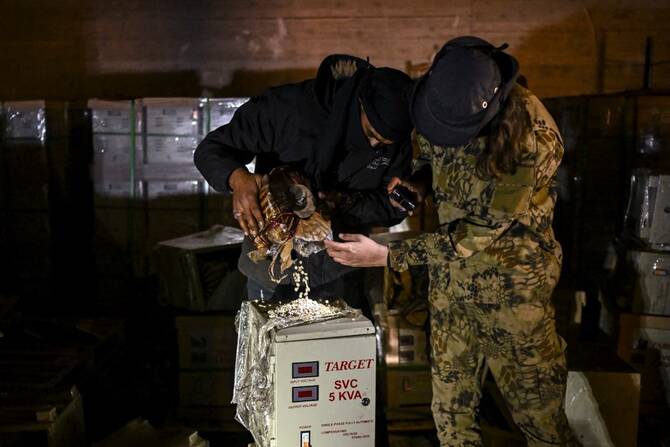
Separately, Indian authorities recently foiled an attempt to smuggle 227.7 kilograms of Captagon, leading to the arrest of a Syrian citizen. This incident illustrates the broader international reach of Captagon trafficking networks, extending beyond the immediate Middle Eastern region. The seizure in India indicates that the illicit trade is not confined to traditional routes and markets, suggesting a diversification of distribution channels by traffickers who are constantly seeking new avenues to evade detection. The involvement of a Syrian citizen in the Indian operation further points to the transnational nature of these criminal enterprises, often with links back to the drug's primary production areas within Syria. Such interdictions by international law enforcement agencies demonstrate the global impact of the Captagon trade and the coordinated efforts required to combat it, noting that the problem is not merely a regional one but has broad consequences. The substantial quantity of Captagon seized in India shows the large-scale production capabilities in Syria and the extensive logistical networks employed by traffickers to reach distant markets.
Syrian Efforts and Challenges
A security committee between Jordan and Syria was announced in January 2025 as part of efforts to address cross-border issues. This diplomatic initiative aimed to foster greater cooperation between the two nations in tackling shared security challenges, including drug trafficking. Political analyst Benjamin Feve described the committee as a valuable step but noted its limitations. Feve stated, "A security committee between Jordan and Syria was announced in 2025, and while that is a valuable step, it cannot substitute for effective control on the ground — and that is a prerequisite for everything else." This assessment suggests that while diplomatic channels are open and dialogue is occurring, the practical implementation of security measures and the ability of Syrian authorities to exert effective control over their territory remain significant challenges. The effectiveness of such committees often hinges on the ability to translate agreements into concrete actions that deter trafficking networks operating within Syrian territory, which requires strong enforcement capabilities and political will. The gap between stated intentions and on-the-ground realities continues to be a point of concern for regional observers.
Syrian authorities reported thwarting an attempt to smuggle 142,000 Captagon pills into Jordan on May 14. This interdiction notes the ongoing efforts by Damascus to counter the illicit drug trade, particularly along its southern border. The incident shows the persistent nature of trafficking attempts despite increased regional focus on the Captagon issue and the establishment of cooperative security mechanisms. Such seizures are often cited by Syrian officials as evidence of their commitment to combating narcotics, even as external observers continue to raise concerns about the scale of production within Syria and the alleged involvement of state-affiliated actors in the trade. The volume of pills seized in this incident suggests that traffickers continue to operate with significant quantities, indicating a strong supply chain that authorities are working to disrupt. However, the sheer frequency of these attempts points to an enduring and resilient illicit economy that continues to challenge both Syrian and Jordanian security forces. The ongoing seizures, despite claims of eradication, suggest that the problem is deeply entrenched and requires sustained, full efforts to address.
Beyond Border Enforcement
While border interdictions and military strikes represent a significant component of Jordan's anti-Captagon strategy, the broader challenge extends to addressing the underlying operational capabilities of trafficking networks within Syria. These networks, often linked to the production of Captagon in facilities across various Syrian governorates, including Suweida, continue to adapt their routes and methods, demonstrating a high degree of resilience and organizational sophistication. The effectiveness of interdiction efforts by both Jordan and Syria is often viewed in conjunction with the ability to dismantle the production and distribution infrastructure, which involves targeting the manufacturing sites, financial networks, and key personnel. Despite Syrian authorities reporting actions to thwart smuggling attempts, the persistent flow of Captagon into Jordan and onward to Gulf markets indicates a resilient illicit trade that benefits from complex logistical chains and potentially, high-level protection. The establishment of a security committee between Jordan and Syria in 2025 aimed to foster cooperation, yet its limitations in ensuring effective control on the ground remain a key focus for regional observers, showing the complexities involved in combating this multifaceted issue. The long-term solution likely requires a combination of sustained military pressure, enhanced intelligence sharing, and more effective governance within Syria to curb the illicit economy that fuels the Captagon trade. Without addressing the root causes and the powerful incentives driving this trade, efforts to secure borders will remain a continuous and arduous task.