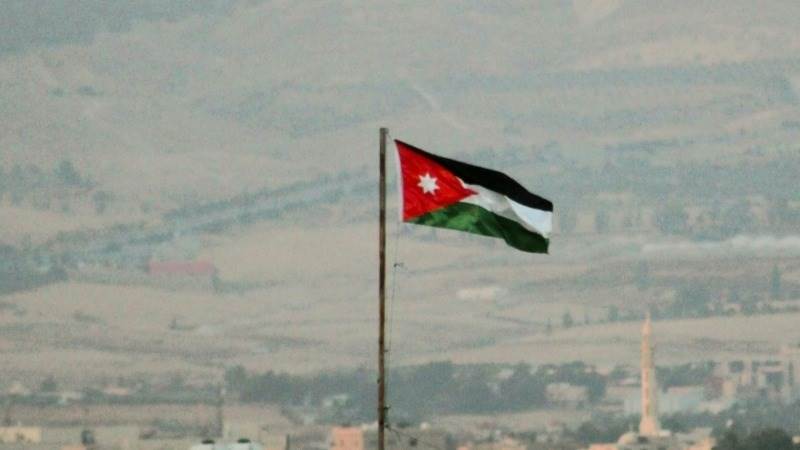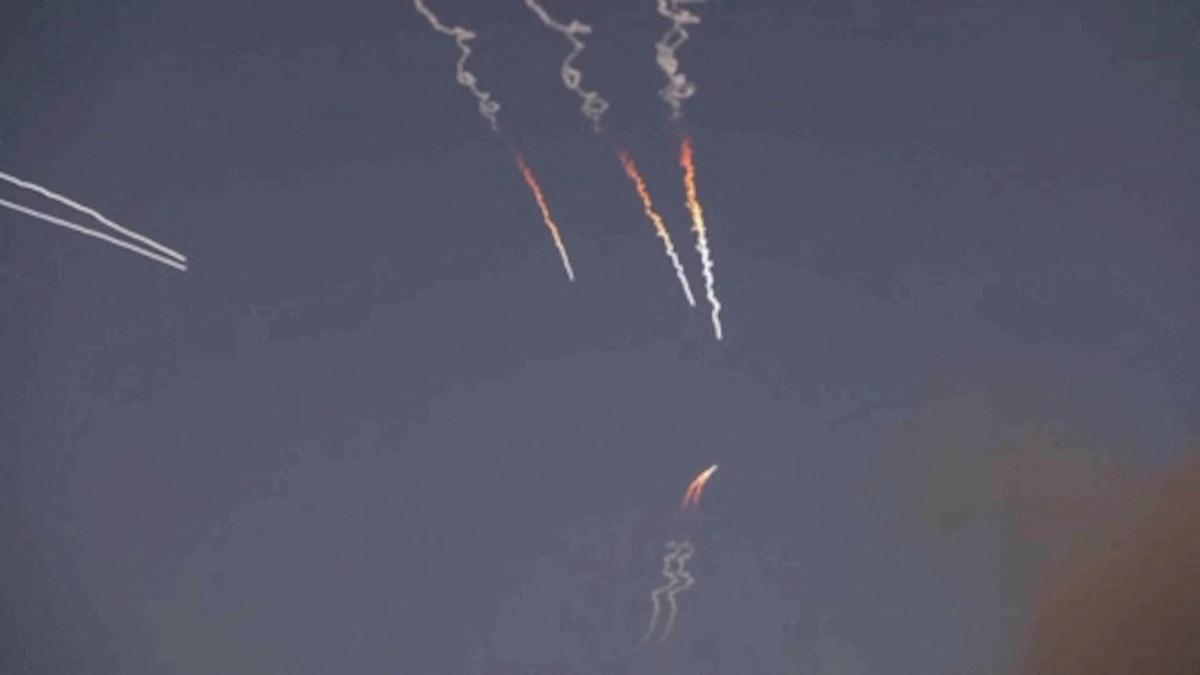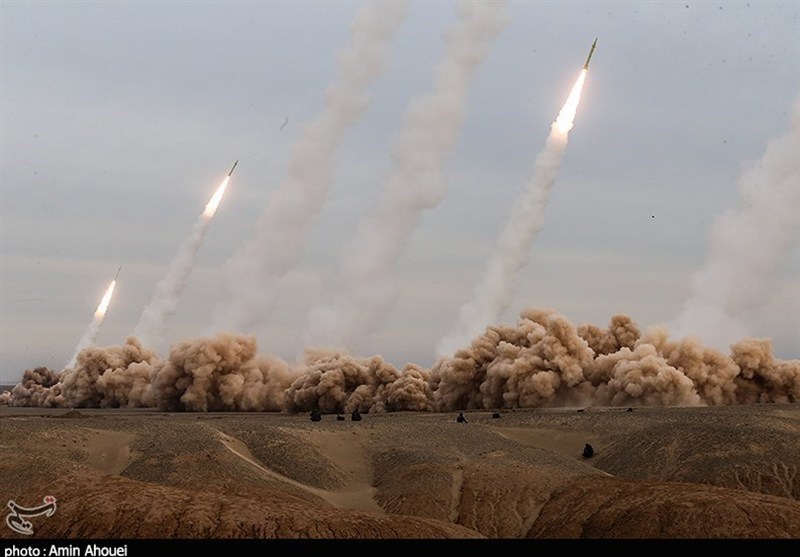
The Islamic Revolution Guards Corps (IRGC) announced on Saturday that its Aerospace Force destroyed at least two US fighter jets and three other military aircraft during a missile and drone strike on the US military base at Al Azraq in Jordan. The IRGC further claimed that the operation, which was launched before dawn on Saturday, also inflicted heavy damage on several more aircraft. This extensive strike was reportedly conducted in response to US attacks that occurred the previous night. The full assault resulted in substantial damage to multiple military assets at the base.
Operation Details and Claims
The IRGC's Aerospace Force carried out simultaneous missile and drone strikes against key targets within the US base at Al Azraq, Jordan. These targets included fighter aircraft shelters and a large aircraft parking ramp. The precision of these strikes, according to the IRGC, led to the complete destruction of at least two US fighter jets and three other military aircraft. In addition to the outright destruction, the IRGC reported that several additional aircraft sustained major damage during the assault. The Islamic Revolution Guards Corps further stated that this particular attack constituted the 20th wave of its ongoing Operation Nasr-2, indicating a sustained and structured campaign. The detailed claims regarding the extent of the damage were made public in a statement issued by the IRGC on Saturday.
IRGC Justification and Audience
The Islamic Revolution Guards Corps (IRGC) directed its statement regarding the Al Azraq strike toward specific audiences, including the people of Jordan. The IRGC also specifically addressed members of the Arab country's armed forces, aiming to communicate its message directly to these groups. This outreach occurred as the IRGC detailed its claims of destroying at least two US fighter jets and three other military aircraft at the US base. The statement aimed to convey the IRGC's message directly to Jordanian citizens and military personnel following the reported missile and drone attacks. The IRGC's communication strategy appeared designed to resonate with these groups in the aftermath of the military action, seeking to explain the rationale behind its operations and potentially garner support or understanding within the region.
Context of Escalation
The Islamic Revolution Guards Corps issued a statement on Saturday, outlining its justification for the missile and drone strikes. The statement detailed the alleged destruction of US military aircraft at the Al Azraq base in Jordan, presenting the operation as a response to perceived US aggression. This communication from the IRGC provided its narrative of the events, portraying the strike as part of a broader retaliatory campaign. The IRGC's declaration described the attack as the 20th wave of its Operation Nasr-2, showing the continuity of its military actions. This statement came as regional tensions continued to mount, with various actors engaged in military actions across the Middle East, contributing to an increasingly volatile security landscape.
Broader Regional Tensions
The Islamic Revolution Guards Corps (IRGC) asserted that the US military bears responsibility for the deaths of hundreds of thousands of Muslims across multiple nations. The IRGC specifically cited Afghanistan and Iraq, along with thousands more in Iran, Yemen, Lebanon, Libya, Sudan, the Philippines, and Palestine, as regions where the US military's actions have led to widespread casualties. This significant claim was made public as the IRGC announced its alleged strike on the US military base at Al Azraq in Jordan. The organization's statement linked the US military's actions to widespread casualties in these regions, framing its own operations as a response to perceived long-standing grievances and military interventions. This broader accusation serves to contextualize the IRGC's recent military actions within a larger narrative of conflict and accountability.