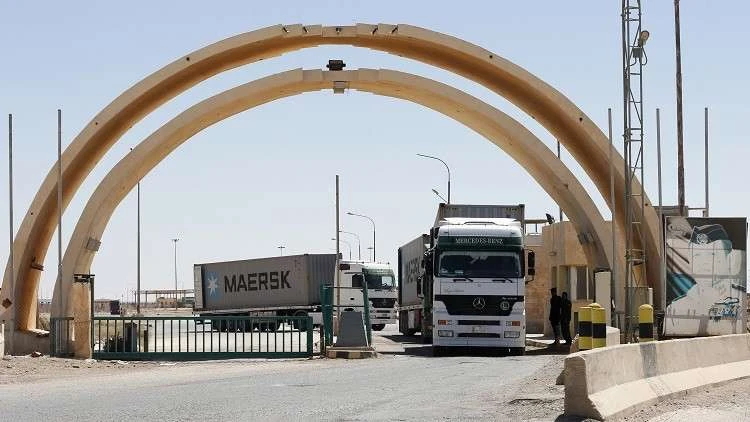
Iraq's General Customs Authority on Thursday returned a shipment of imported calves to Jordan after laboratory tests confirmed cases of foot-and-mouth disease (FMD). The decision was made in Baghdad following the detection of the highly contagious viral disease among the livestock. The shipment originated from Jordan and was turned back on Thursday, marking a swift response to public health concerns. This action shows Iraq's commitment to safeguarding its agricultural sector from infectious animal diseases, a critical component of national food security.
Preventing Disease Spread
The customs center administration implemented necessary legal measures regarding the returned shipment. To manage the process effectively and ensure adherence to international animal health protocols, a committee was formed, consisting of representatives from various relevant agencies. This committee, comprising representatives of these relevant agencies, was specifically tasked with overseeing the safe and proper return of the livestock shipment back to Jordan. The actions were taken to prevent the potential spread of foot-and-mouth disease, a highly contagious viral illness detected in the calves, into Iraq's domestic animal population. The immediate return of the infected animals was deemed key to mitigate any further risk of transmission within the country's borders, thereby protecting Iraq's vital livestock sector.
Broader FMD Concerns
Iraq's Veterinary Directorate intensified preventive measures following reports of foot-and-mouth disease (FMD) cases in Syria's Raqqa province last month. The directorate elevated epidemiological surveillance to its highest level across the country, a proactive step to monitor and contain potential outbreaks. In line with these heightened measures, veterinary hospitals at border crossings and throughout the country received instructions to intensify inspections of incoming livestock and promptly report any suspected infections. These stringent measures are implemented to prevent the spread of contagious diseases, particularly given the regional outbreaks and the confirmed cases in neighboring Syria. The Veterinary Directorate's proactive stance reflects a full strategy to protect Iraq's livestock resources and ensure the health of its animal populations. Earlier this year, the Ministry of Agriculture reported that 1,750 cattle had been vaccinated against foot-and-mouth disease nationwide, as part of ongoing efforts to build immunity within the national herd. This vaccination campaign demonstrates a long-term commitment to controlling FMD within Iraq and bolstering the resilience of its agricultural sector.
Official Actions and Justification
The decision to return the calves was made in line with approved technical recommendations aimed at preventing the spread of infectious animal diseases. Iraqi authorities stated that these measures are key for protecting the country's livestock sector and ensuring food security for its population. On June 17, Agriculture Minister Abdul Amir Al-Shammari issued an order to ban the entry of 1,750 live calves intended for slaughter, a significant step reflecting the seriousness with which Iraq views potential disease incursions and its commitment to biosecurity. This directive was part of broader efforts to safeguard Iraq's animal health against contagious diseases, including FMD. The actions show Iraq's commitment to implementing stringent biosecurity protocols at its borders to mitigate risks associated with livestock imports and maintain the health of its domestic herds. The swift and decisive response by Iraqi authorities notes their dedication to upholding animal health standards and protecting the national economy from the devastating impacts of such diseases, thereby securing the country's food supply and agricultural stability.