Representatives from Egypt, Iraq, and Jordan convened on 1 November 2026 for the second meeting of the Iraqi working team. This session functioned under the framework of the Iraqi-Jordanian-Egyptian Coordination Council to discuss potential advancements in regional oil export infrastructure. Ali Ward Hammood, Director General of Iraq’s Oil Projects Company, chaired the proceedings in his official capacity. The participants focused on evaluating technical requirements and strategic cooperation necessary to integrate energy transport networks between the three nations. Officials examined current logistical capacities as part of the broader mandate assigned to the working team. The meeting concluded with an agreement to continue technical assessments regarding the proposed export routes to facilitate increased regional cooperation.
Basra-Haditha Pipeline Technical Details
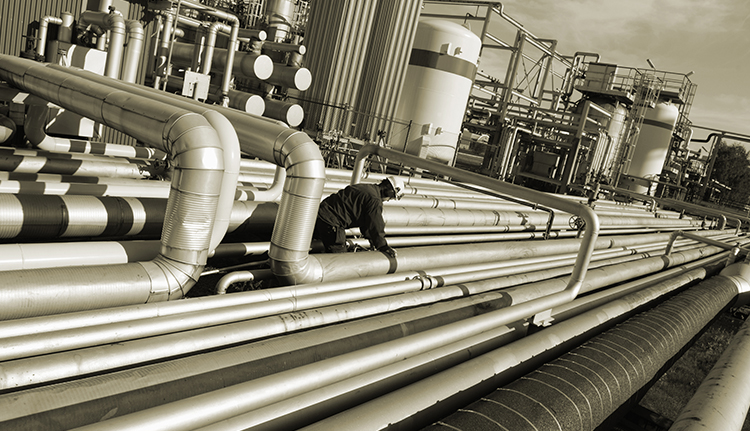
Technical discussions during the meeting focused on the operational specifications and engineering requirements of the proposed Basra-Haditha crude oil pipeline. Officials reviewed the design parameters for the infrastructure, which serves as a central component of the transit route linking Iraq to regional export terminals.
Engineers and planners intend for the pipeline project to transport up to 2.5 million barrels per day (b/d) of crude oil from southern production fields to storage and processing facilities at Haditha. This capacity figure reflects the projected throughput necessary to support the expansion of oil transit networks across the participating nations. Ali Ward Hammood, Director General of the Oil Projects Company, oversaw the assessment of these technical details to ensure the project aligns with the existing energy transport frameworks. Participants evaluated how this volume of output could integrate into the broader export infrastructure currently under review by the Iraqi-Jordanian-Egyptian Coordination Council.
Potential Regional Export Routes
Potential export routes under consideration for the pipeline extension include Syria’s Banias port, Türkiye’s Ceyhan port, and Jordan’s Aqaba port. These locations serve as key logistical endpoints to facilitate the movement of crude oil from the Haditha hub to international markets. Each of these ports offers distinct geographic access to the Mediterranean Sea or the Red Sea, providing the participating nations with multiple options for regional and global distribution.
The Iraqi Ministry of Oil identified the pipeline as a means of supplying refineries across Iraq. Officials intend for this internal distribution to support domestic energy needs while simultaneously preparing the infrastructure for potential cross-border transit. By integrating the pipeline into the national refining network, Iraq seeks to optimize the processing of crude oil before its transport to the proposed export terminals in Banias, Ceyhan, or Aqaba.
Participants also discussed the establishment of a joint petrochemical complex and cooperation in hydrogen production technologies. These industrial initiatives aim to expand the scope of energy collaboration beyond crude oil transport. The working team evaluated how a shared petrochemical facility could provide added value to the refined products originating from the pipeline network. The representatives explored technical frameworks for integrating hydrogen production into the energy infrastructure, aligning these developments with the broader regional cooperation goals set by the Iraqi-Jordanian-Egyptian Coordination Council.