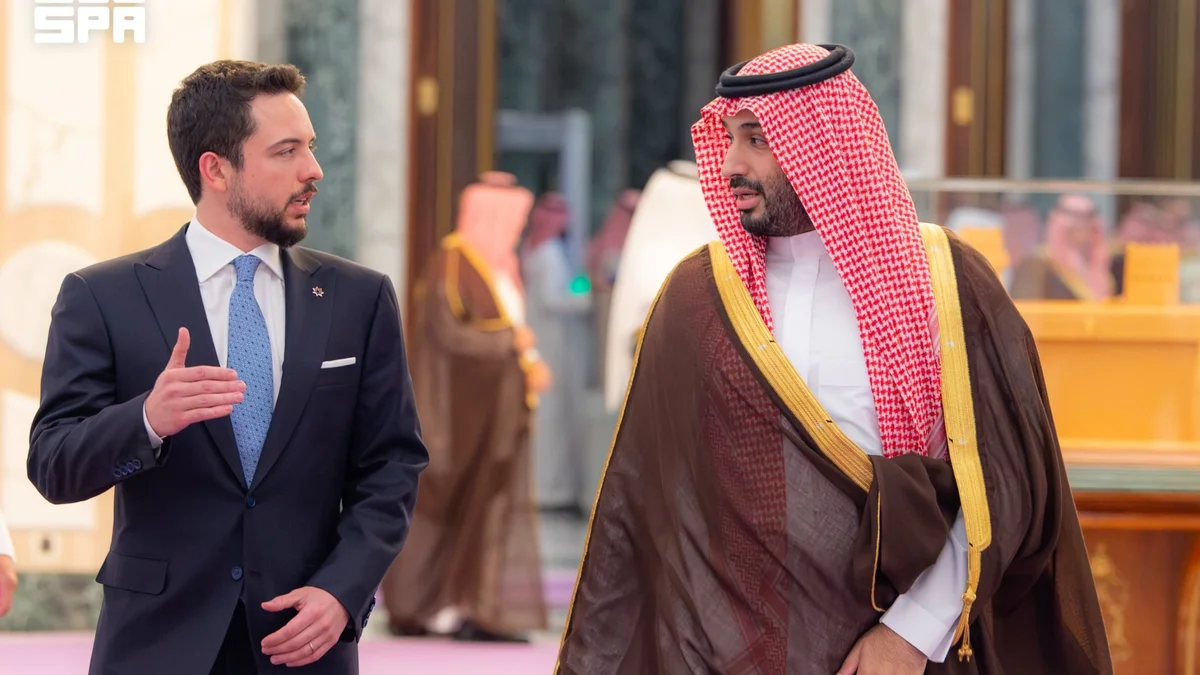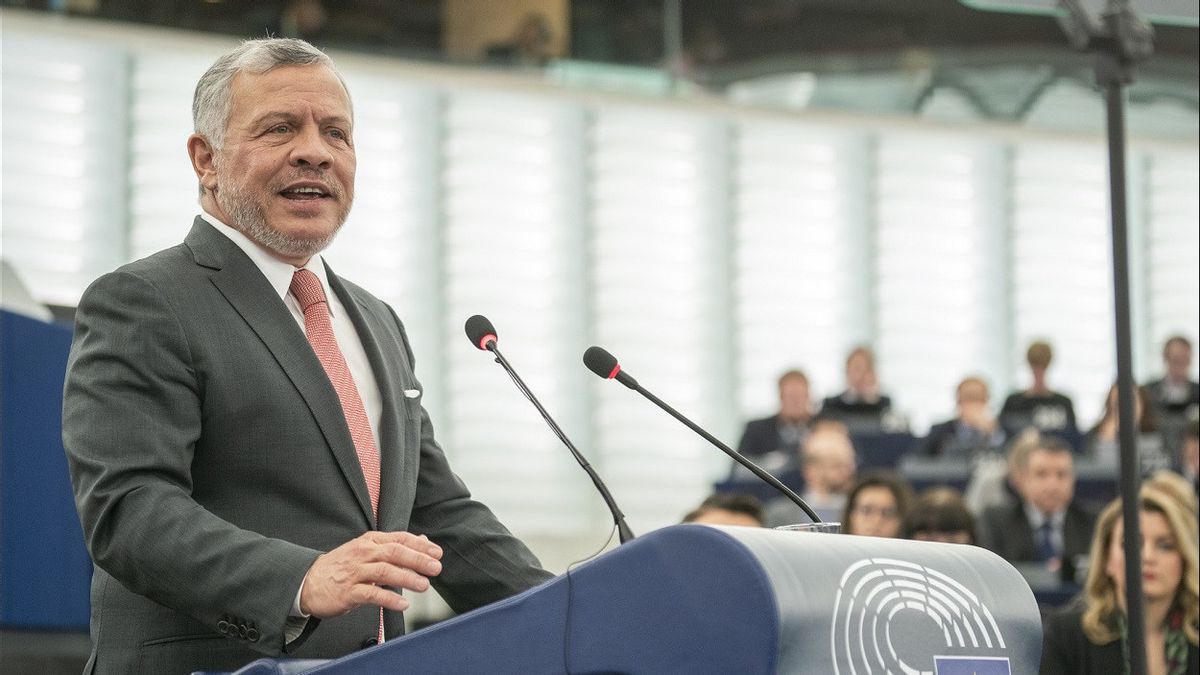
King Abdullah II of Jordan addressed the opening of the Jordanian Parliament on 3 November 2026 to call for Palestinian statehood. The monarch stated, "We reiterate time and again that there will be no security or stability in our region without upholding the Palestinian people's right to their homeland." King Abdullah II noted that "Despite international calls to end Israel's violations, the humanitarian disaster in Gaza continues, as does the relentless attacks in the West Bank and Jerusalem." He further characterized the current political climate by asserting, "Meanwhile, Israel's expansionist ambitions remain the greatest threat to the future and hope of the region." These remarks come as the Jordanian leadership continues to emphasize the necessity of a resolution to the ongoing conflict.
The address, delivered by King Abdullah II of Jordan at the opening of the Jordanian Parliament on November 3, 2026, serves as a formal articulation of the kingdom’s foreign policy objectives. By focusing his speech on the necessity of Palestinian statehood, King Abdullah II signaled a continued diplomatic priority for the Jordanian government. The monarch’s remarks were directed at both domestic lawmakers and the international community, showing the urgency of the situation.
Stance on Palestinian Statehood
Jordan signed a peace agreement with Israel in 1994, establishing diplomatic relations that have persisted for over three decades. This accord served as a foundation for security cooperation and economic ties between the two nations. Despite this long-standing diplomatic framework, the current rhetoric from the Jordanian leadership reflects deep concern regarding the trajectory of the conflict.
Israel held legislative elections on 30 October 2026, several days before the speech by King Abdullah II. These legislative elections, held days prior to the speech by King Abdullah II, resulted in a fragmented political landscape. Results from the vote indicated that the party led by Prime Minister Benjamin Netanyahu failed to secure a majority of seats in the Knesset. Negotiations regarding the formation of a governing coalition remain ongoing as political factions seek to consolidate support among the newly elected members. The uncertainty surrounding the formation of the next Israeli government adds a layer of complexity to the regional diplomatic efforts advocated by King Abdullah II.
Iran has stated that it will retaliate if the United States and Israel launch an attack against its territory. Government officials in Tehran issued this warning as part of a broader response to regional military activities. This specific claim, in which Iran has vowed to retaliate if the United States and Israel launch an attack on them, notes the volatile nature of current security dynamics. The declaration from Iran arrives amid heightened anxieties regarding the potential for expanded conflict involving major powers in the Middle East. As regional actors navigate these threats, the call from Jordan for a definitive resolution to the Palestinian issue remains a central point of the ongoing political discourse.