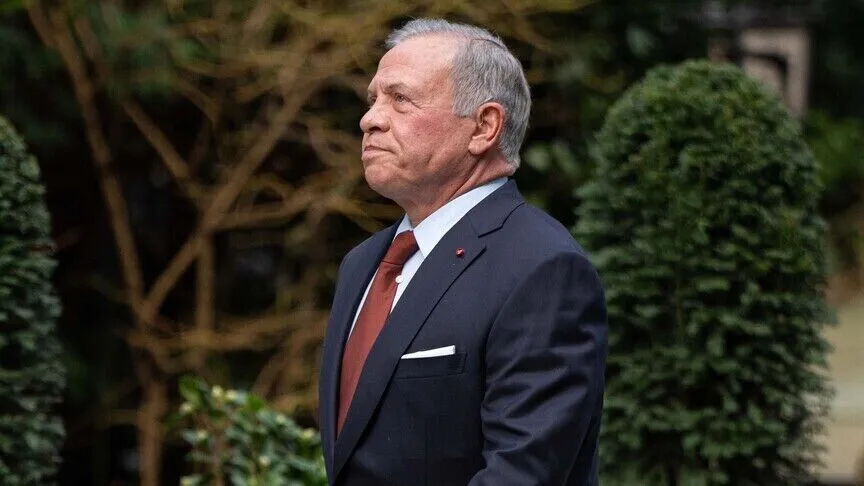
The UN General Assembly held elections for the UN Human Rights Council in New York on 13 October 2026. Jordan secured a seat on the body after receiving 171 votes from the assembly members. These newly elected representatives will begin their three-year terms on 1 January 2027.
Global Regional Representation Results
Additional members elected from the Asia-Pacific States group include Japan, which received 166 votes. Kuwait and Nepal also secured seats, with each country receiving 173 votes from the assembly members. These nations join the council alongside other regional representatives to serve three-year terms beginning on 1 January 2027.
Candidates from the African States were also successful in the voting process. Zambia earned a seat with 177 votes, followed by Ghana with 173 votes. Nigeria received 172 votes, while Burundi was elected with 160 votes. All newly elected members will join the UN Human Rights Council to carry out their mandates starting in January.
European and American Regional Selections
The Eastern European States group saw the Republic of Moldova and Ukraine secure seats on the UN Human Rights Council. The Republic of Moldova received 168 votes, while Ukraine obtained 162 votes from the UN General Assembly.
Latin American and Caribbean States candidates also gained representation during the 13 October 2026 elections. Brazil and the Dominican Republic were elected with 170 votes each, and Uruguay secured its position with 165 votes.
The Western European and Other States group successfully elected Germany and Ireland to the council. Germany received 163 votes in the balloting process, whereas Ireland earned 165 votes. All these nations will begin their three-year terms on 1 January 2027, joining other global representatives on the body.
Council Structure and Historical Context
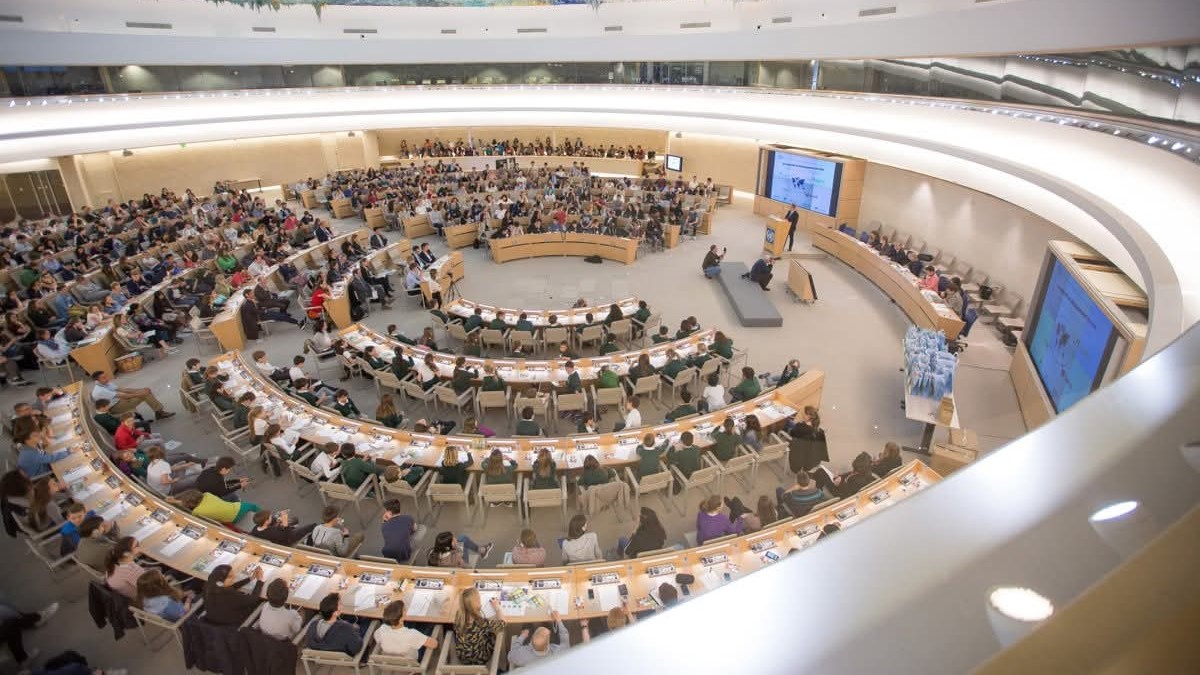
The UN Human Rights Council maintains its headquarters in Geneva. The body comprises 47 member states tasked with the promotion and protection of human rights globally.
Member states represent various regions, ensuring a geographically diverse composition for the council's operations. The UN General Assembly established the UN Human Rights Council in 2006 to replace the former Commission on Human Rights. This creation aimed to strengthen international human rights mechanisms and provide a dedicated forum for addressing violations. Each elected member serves a three-year term, contributing to the work of the council from its Swiss base.