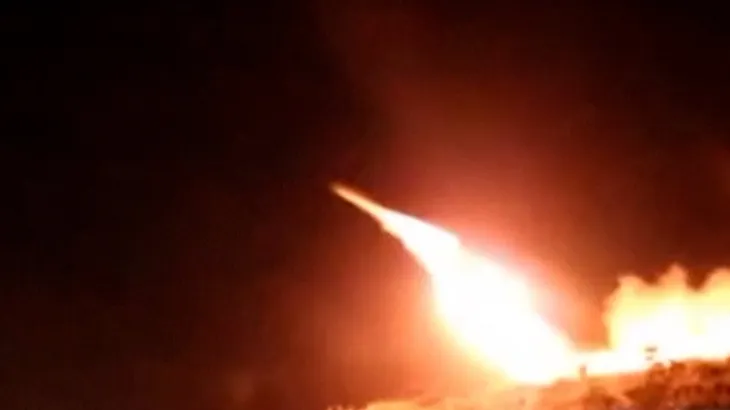
The United Arab Emirates on Thursday condemned Iran’s recent missile and drone attacks targeting Jordan. This condemnation from the UAE came as a strong statement against actions perceived to destabilize the region. The UAE stated that these actions violated the sovereignty of the Hashemite Kingdom of Jordan and posed a significant threat to regional security and stability. This stance by Abu Dhabi shows a growing concern among Gulf Cooperation Council (GCC) members regarding the escalation of military activities in the Middle East. This condemnation aligns with concerns raised by other Gulf nations, including Kuwait and Bahrain, regarding Iran's military operations and their impact on the broader Middle East. The unified message from these nations notes a shared apprehension about the potential for wider conflict.
Regional Security Concerns and International Law
The UAE Ministry of Foreign Affairs strongly condemned what it described as "terrorist and unprovoked" ballistic missile and drone attacks targeting the Hashemite Kingdom of Jordan, Kuwait, and Bahrain. The ministry characterized these actions as a "flagrant violation" of international law and a serious threat to regional stability. The statement reiterated the UAE's solidarity with the affected nations and emphasized the importance of de-escalation to prevent further instability. This strong language from the UAE Ministry of Foreign Affairs reflects the gravity with which the Emirates views these military incursions. The Ministry showed that such attacks are not only a breach of national sovereignty but also undermine the foundational principles of peaceful coexistence and international relations. The UAE's position is firmly rooted in the belief that adherence to international legal frameworks is critical for maintaining peace in a volatile region.
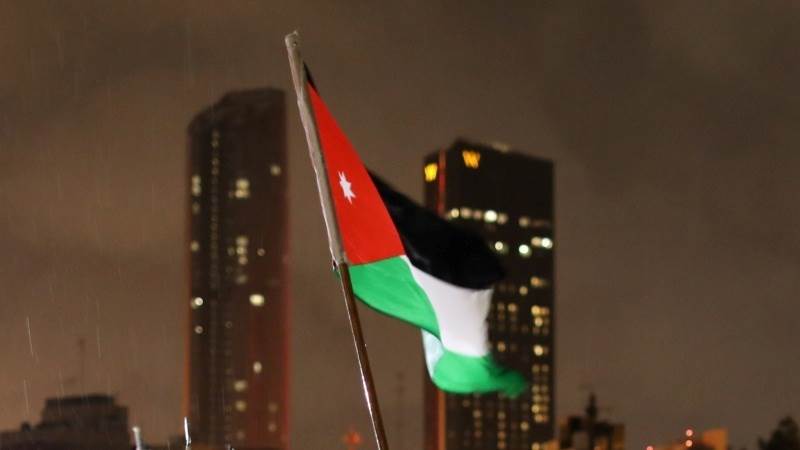
Jordan also issued its own condemnation of the Iranian attacks that targeted its territory. Amman warned that ongoing military escalation in the region would significantly undermine regional security and stability. Jordan's statement showed concerns about the broader implications of such military actions on peace and cooperation among Middle Eastern states. The Kingdom of Jordan, sharing borders with several nations experiencing conflict, is acutely aware of the ripple effects of military aggression. Its call for de-escalation is a direct response to the immediate threat posed by the attacks and a plea for a return to diplomatic solutions.
Jordan's Response and Calls for Restraint
Jordan's Ministry of Foreign Affairs condemned Iran's recent attacks, asserting that they constituted a "flagrant violation" of the country's sovereignty. The Ministry further stated that these actions posed a direct threat to Jordan's security and stability. A spokesperson for the Ministry emphasized that such military escalations in the region risk undermining peace and cooperation among Middle Eastern states. The Jordanian government's strong reaction reflects its commitment to protecting its national borders and its people from external aggression. This condemnation also serves as a reminder of the delicate balance of power and the intricate web of relationships that define the Middle East. Jordan's government reiterated its commitment to de-escalation and urged all parties to exercise restraint to prevent further instability. The Ministry noted the importance of upholding international law and principles of non-interference in internal affairs, stressing that these tenets are key for preserving regional order.
UAE's Stance and Calls for De-escalation
The UAE Ministry of Foreign Affairs expressed its solidarity with Jordan and reiterated its support for the security of the Hashemite Kingdom. This expression of solidarity is a testament to the strong diplomatic ties between the two nations and a clear signal of collective security interests. The ministry’s statement showed the UAE’s commitment to regional stability amid escalating tensions, emphasizing that a stable Jordan is vital for the broader security architecture of the Middle East.
The United Arab Emirates also reiterated its calls for an immediate cessation of all attacks targeting countries in the region. Abu Dhabi emphasized the critical importance of respecting national sovereignty and adhering to international law. These appeals reflect a broader regional concern over military actions that risk destabilizing the Middle East and potentially drawing more actors into conflict. The UAE stressed the necessity of de-escalation to preserve peace and security across the region, advocating for dialogue and diplomatic engagement as the primary means to resolve disputes and prevent further hostilities. The Emirates' consistent message shows its role as a proponent of stability and a strong advocate for international norms in a complex geopolitical landscape.