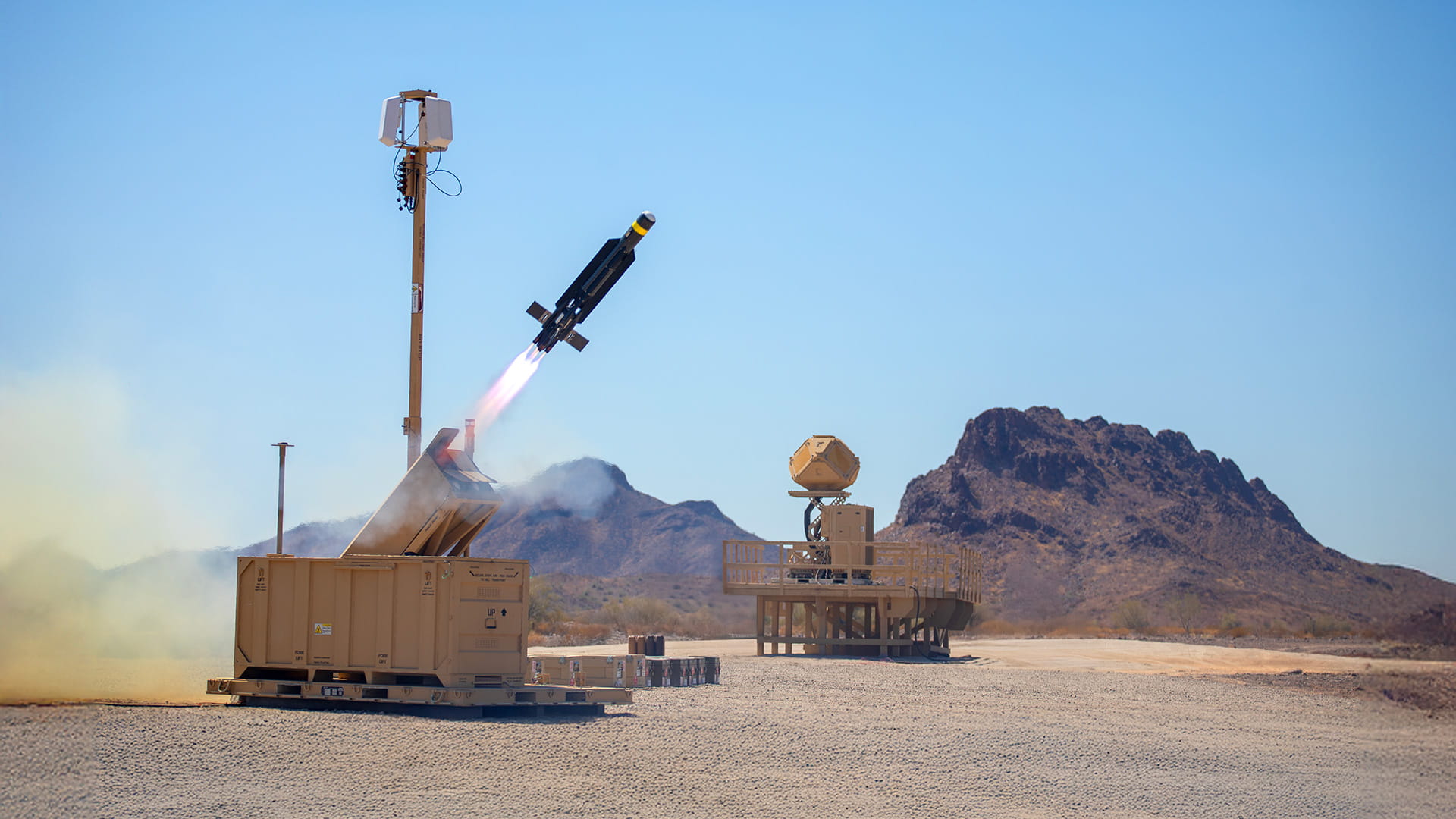
Raytheon has secured a $729 million contract for the production and delivery of the Low, slow, small, unmanned aircraft Integrated Defeat System (LIDS). These units are destined for the U.S. Army, as well as the governments of Qatar and Jordan. The agreement encompasses the supply of key components designed to neutralize aerial threats. Tom Laliberty, president of Land and Air Defense Systems at Raytheon, stated: "LIDS provides a proven and cost-effective layer of defense that ensures allied forces have the protection they need against hostile drones." This acquisition supports ongoing efforts to bolster counter-drone capabilities across these specific international and domestic military partners. The contract formalizes the deployment of these defense systems to address the rising operational requirements of the named forces.
Technical Capabilities of LIDS
Raytheon’s LIDS system integrates the company's KuRFS radar to provide 360-degree threat detection. This radar works alongside the Coyote effector, which enables both kinetic and non-kinetic options to defeat unmanned aerial vehicles. The contract specifies that these systems will be supplied in a combination of fixed-site and mobile configurations to support operational flexibility.
Tom Laliberty, president of Land and Air Defense Systems at Raytheon, explained the strategy behind these components. "To stay ahead of rapidly evolving drone threats, Raytheon is accelerating production of the Coyote family of effectors -- delivering a uniquely scalable, battle–tested solution that meets the surge in global demand," he stated. These technical features allow the LIDS platform to address varied environments where aerial threats are present. By combining radar detection with specialized effectors, the system provides users with specific methods to neutralize hostile drones through either physical interception or electronic disruption depending on the mission requirements.
Expanding Global Defense Reach
The agreement marks the first international sales of the Ku-band Radio Frequency Sensor (KuRFS) and the Coyote effector. Previously, these defense technologies were utilized exclusively within domestic military frameworks. By extending the availability of these systems to Qatar and Jordan, the production contract facilitates the export of advanced detection and interception capabilities that were formerly restricted to U.S. Operations. These sales introduce the specific radar and kinetic neutralization technology to foreign inventories, aligning with the operational requirements of the named international partners.
RTX, the parent company of Raytheon, announced its financial performance for the 2025 calendar year. The corporation reported annual sales exceeding $88 billion. This financial total includes the combined operations of Raytheon, Collins Aerospace, and Pratt & Whitney. The company maintains its corporate headquarters in Arlington, Virginia. The production of the LIDS units and the associated sensor and effector components will be managed through the company’s defense divisions, including the facilities located in Tucson, Ariz.