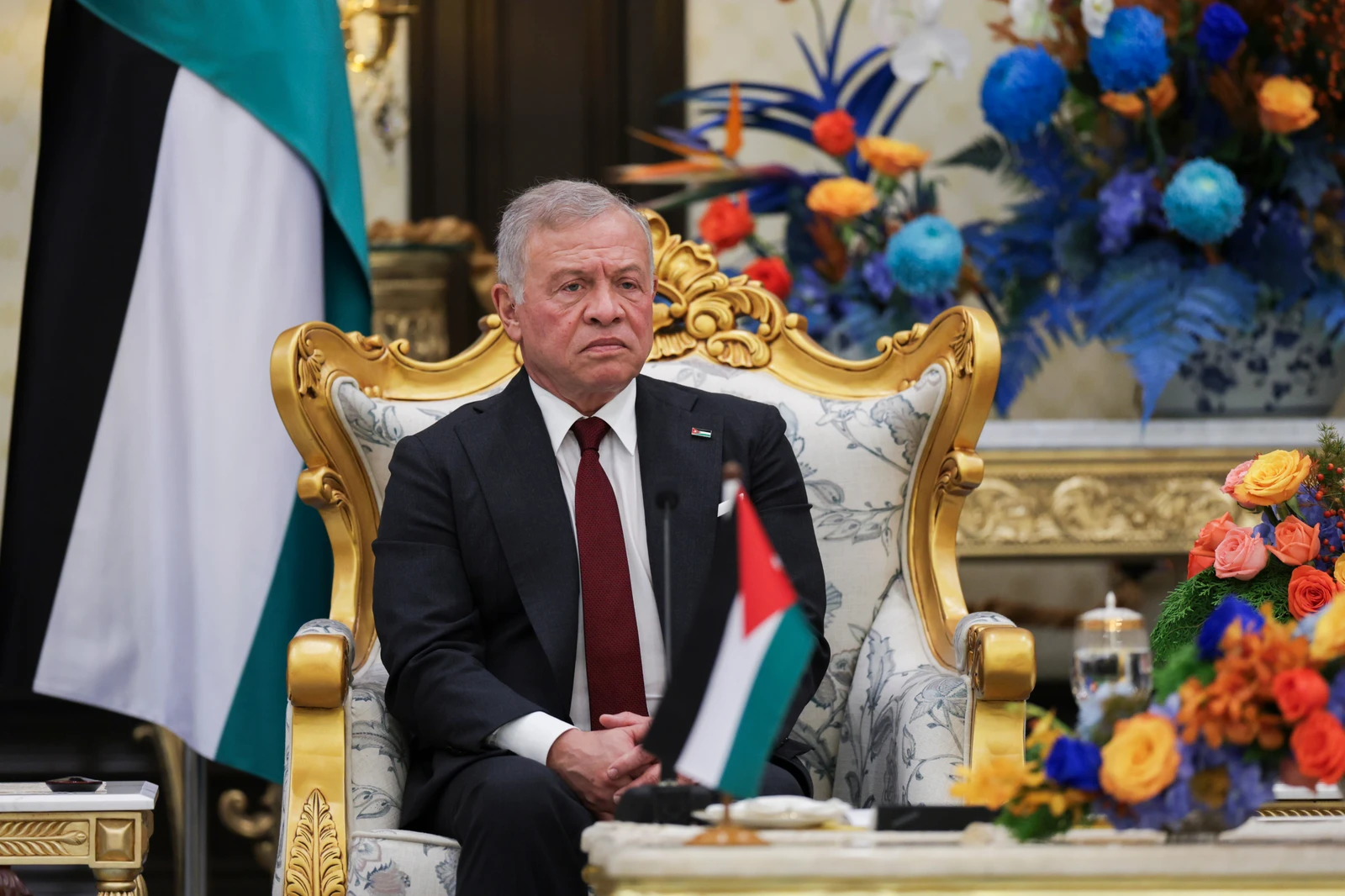
King Abdullah of Jordan and Iraqi President Nizar Amidi held a discussion on Monday, 19 October 2026. The meeting between the two leaders focused on regional stability and the development of energy cooperation between their respective nations. Both officials addressed shared concerns regarding the political environment in the Middle East during their talks. The bilateral engagement took place as the two countries look to strengthen ties through economic and security coordination. King Abdullah and President Nizar Amidi reviewed current initiatives aimed at enhancing the integration of infrastructure projects across their borders.
The leaders utilized this diplomatic session to evaluate the progress of ongoing bilateral programs. By examining the current status of their joint ventures, King Abdullah and President Nizar Amidi sought to identify potential obstacles to economic growth and regional connectivity. The dialogue facilitated a direct exchange of views on how to better align the national interests of Jordan and Iraq. Through this coordination, the two heads of state aimed to establish a framework for more consistent communication regarding future development projects.
Advancing Energy Infrastructure Projects
King Abdullah II and President Nizar Amidi reviewed the implementation of the Basra-Aqaba oil pipeline project during their meeting on 19 October 2026. This infrastructure initiative remains a primary focus for both Jordan and Iraq as they seek to integrate their energy networks. The leaders examined the technical and logistical requirements necessary to advance the construction of the pipeline, which is designed to connect oil fields in Basra to the port of Aqaba.
The discussion regarding the Basra-Aqaba oil pipeline project served as a central component of the broader energy cooperation agenda. Both King Abdullah II and President Nizar Amidi assessed the strategic importance of the pipeline in facilitating the transport of petroleum resources. By analyzing the implementation of the Basra-Aqaba oil pipeline project, the leaders aimed to ensure that the infrastructure would meet the long-term energy demands of their respective countries. The technical review noted the necessity of sustained cooperation in managing the logistical complexities inherent in such a large-scale project.
King Abdullah II addressed the broader security environment during the discussions, calling for the de-escalation of regional tensions. He stated that reducing these tensions is essential to ensure the long-term security and stability of Arab states.
Regarding the ongoing situation in the Occupied Palestinian Territories, King Abdullah II emphasized the necessity of halting Israel’s actions. He identified these developments as significant factors impacting the regional environment.
King Abdullah II also expressed support for Syria and Lebanon. He stated that Jordan supports the efforts of both nations to preserve their security and sovereignty.
The commitment expressed by King Abdullah II shows the importance of regional diplomacy in addressing the challenges facing Syria and Lebanon. By focusing on the preservation of security and sovereignty, the leaders sought to reinforce the stability of these nations. The call for the de-escalation of regional tensions reflects the shared objective of King Abdullah II and President Nizar Amidi to mitigate the risks associated with the current political climate. The discussions concluded with a reaffirmation of the importance of the partnership between Jordan and Iraq in navigating these regional security concerns.