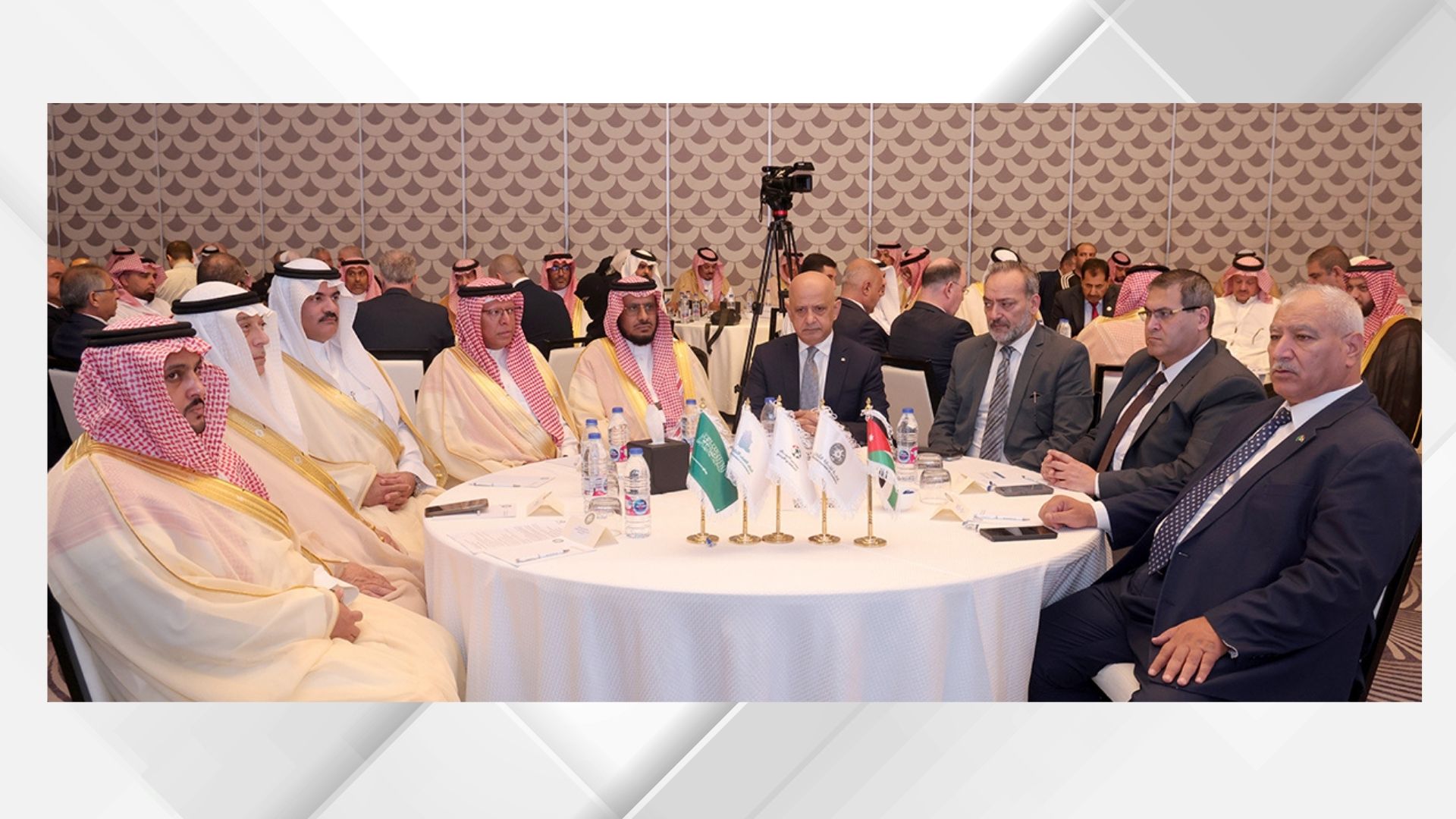
The Jordanian-Saudi Joint Business Council called for a joint economic action plan on Sunday in Amman. The call was made during the third joint meeting of the Saudi-Jordanian Business Council, emphasizing the need for coordinated efforts between the two nations. This initiative seeks to bolster economic ties and streamline collaborative projects. The council's discussions focused on establishing a structured framework to implement shared economic objectives and enhance bilateral cooperation across various sectors. The meeting, which took place in the Jordanian capital, noted the strategic importance of strengthening economic partnership between Jordan and Saudi Arabia.
Deepening Economic Integration
The proposed economic action plan should concentrate on tangible projects, new investment opportunities, and enhancing supply-chain resilience, particularly in light of escalating regional and global economic challenges. The council showed that the plan's focus must be on concrete projects and investment opportunities, alongside the critical need for stronger supply-chain resilience amidst these growing regional and global economic challenges. The overarching objective is to deepen economic integration by merging Jordan's expertise, human capital, and access to international markets with Saudi Arabia's significant investment capacity and its ambitious Vision 2030 initiatives. This strategic combination aims to unlock new avenues for economic growth and stability across both economies.
Key sectors identified for potential cooperation include contracting, logistics, health, food, technology, and finance. These sectors were noted as having significant potential for collaborative ventures that could yield substantial economic benefits for both countries. Substantial opportunities for collaboration exist within regional reconstruction and development projects, offering a chance for joint ventures to contribute to broader regional stability and growth. To capitalize on these, Jordanian and Saudi companies are encouraged to form strategic alliances aimed at implementing projects in Iraq, Syria, and other regional markets. Strengthening cooperation between the public and private sectors is also deemed important to bolster overall economic resilience, ensuring that both governmental and non-governmental entities work in concert towards shared economic goals. This public-private partnership approach is seen as key for effective implementation and long-term success of the proposed action plan.
Strengthening Supply Chains
Joint supply chains should be developed in strategic sectors, including food, medicine, and logistics, according to recommendations from the Saudi-Jordanian Business Council. The council proposed establishing a joint system designed to strengthen supply-chain security and resilience between the two nations. This system aims to enhance operational efficiency and mitigate disruptions, ensuring a more strong and reliable flow of goods. The joint system to strengthen supply-chain security and resilience was a key proposal, reflecting a shared commitment to safeguarding essential supplies.
The proposed framework includes several key components to achieve its objectives. Among these are information-sharing mechanisms focused on shipping and container movements, which would provide greater transparency and enable better planning. It also incorporates early warning mechanisms to identify potential issues proactively, allowing for timely interventions. The framework emphasizes the development of alternative trade routes to ensure continuity of supply even in the face of unforeseen challenges. The system emphasizes rapid coordination among critical stakeholders, including ports, customs authorities, transport and shipping companies, and importers in both Jordan and Saudi Arabia. This full approach is designed to create a smooth and secure supply chain network between the two countries.
Participants in the meeting commended the Jordanian government for its measures aimed at maintaining the continuity of business, supply chains, and trade. These efforts were recognized as particularly important amidst ongoing regional challenges affecting economic stability and logistics. The council specifically acknowledged the strong steps taken by the Jordanian government to ensure the uninterrupted flow of goods and services, which was seen as vital for regional economic stability.
Future Initiatives and Relations
The council plans to organize a Saudi-Jordanian Investment Forum and accompanying exhibition in Saudi Arabia next year. Abdulrahman Thubaiti stated that this event would be held alongside the fourth council meeting, aiming to "showcase investment opportunities and promote partnerships in priority sectors." This forum will accompany the fourth council meeting, providing a significant platform for direct engagement and deal-making. Economic relations between Saudi Arabia and Jordan are developing significantly, with an increasing number of mutual investments and new companies establishing operations, particularly within the pharmaceutical sector. This growth in mutual investments and the establishment of new companies, especially in the pharmaceutical sector, shows the deepening economic ties.
Senator Khalil Haj Tawfiq, Chair of the Jordan Chamber of Commerce and head of the Jordanian side of the council, emphasized the need for a structured approach. He stated, "The plan should set clear objectives, responsibilities, implementation timelines and measurable indicators." This framework is intended to ensure accountability and progress in the joint economic initiatives, providing a clear roadmap for future collaboration. The article containing these details was published on August 30, 2026, indicating ongoing efforts to strengthen bilateral ties and economic collaboration between the two nations. The upcoming forum and exhibition are expected to be key platforms for further advancing these objectives, fostering an environment conducive to sustained economic partnership and shared prosperity. The continuous dialogue and planning between the two countries reflect a strategic commitment to leveraging their combined strengths for regional economic growth and resilience.