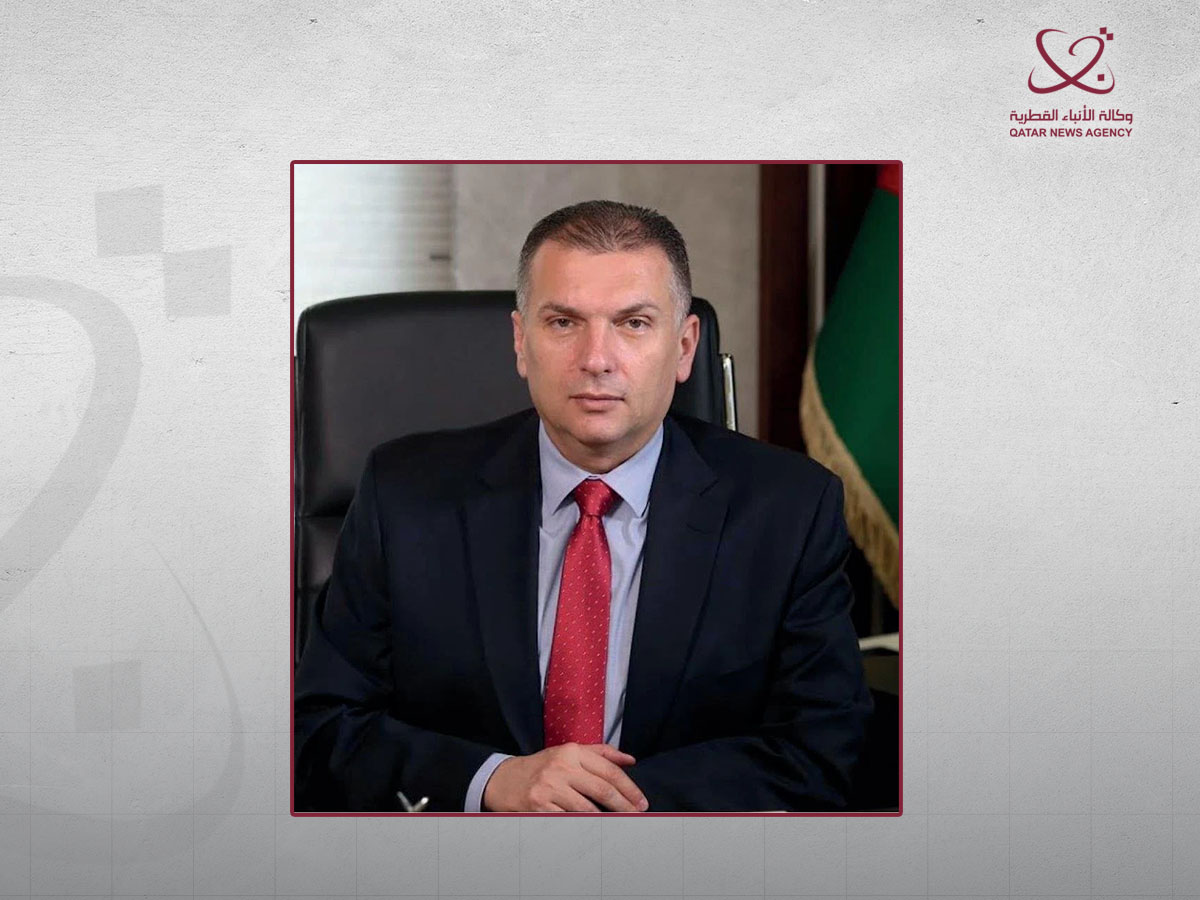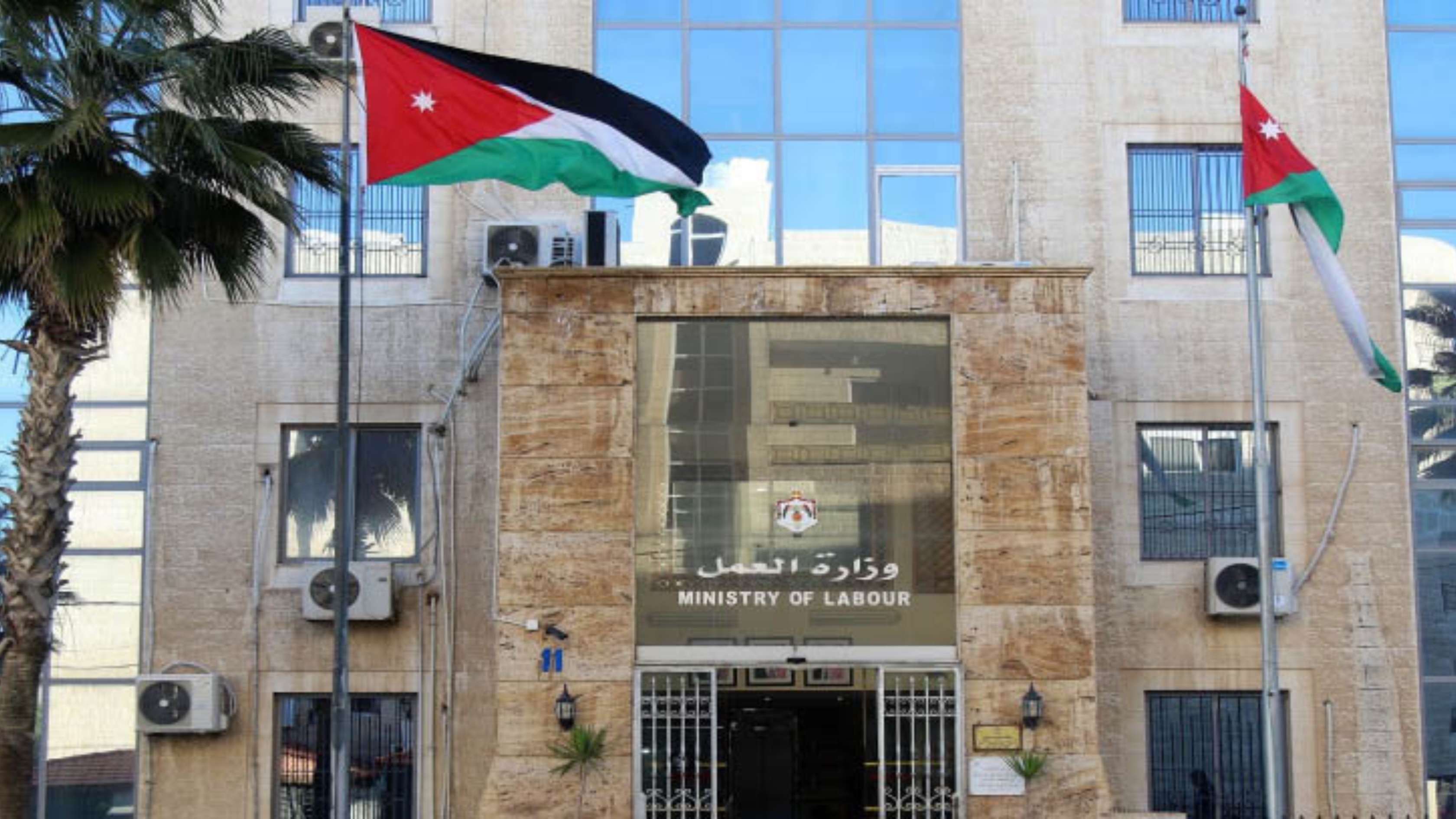
Jordan's Ministry of Labour has announced a full suspension of the recruitment of foreign workers across most economic sectors, a significant decision effective from June 1. This directive, issued by Labour Minister Khaled Al-Bakkar, aims to prioritize and expand local employment opportunities within the country. The strategic move impacts a wide array of industries, effectively halting the entry of new overseas labour into the Jordanian market. This measure is a direct response to the government's commitment to address domestic employment challenges and foster a more strong local workforce.
Suspension Details and Exemptions
The suspension is broad in its application, covering the recruitment of non-Jordanian workers across all economic sectors and activities throughout the country. This includes recruitment efforts that are conducted under agreements specifically linked to the employment of Jordanian citizens, ensuring a wide-reaching impact on the labour market. The Ministry's objective is to create a more balanced labour environment where local talent is given precedence.
However, recognizing the diverse needs of the economy, certain sectors and activities have been granted exemptions from this new directive. These include key areas such as domestic workers, who play a vital role in many households, and the garments and textiles industry, a significant contributor to the national economy. Additionally, manufacturers producing inputs for the apparel sector are also exempt. Further exemptions apply to manufacturers operating in specific designated areas, including development zones, Qualified Industrial Zones (QIZs), and free zones, acknowledging their unique operational requirements and contributions to export and investment. Importantly, recruitment approvals that were issued prior to the suspension's effective date of June 1 will retain their full validity, providing a transitional period for businesses that had already initiated the recruitment process.
Ministry's Labor Market Strategy
The Ministry of Labour continuously assesses labour demand within Jordan and maintains the flexibility to reopen recruitment channels when market conditions necessitate additional foreign workers. This proactive approach shows the Ministry's commitment to a dynamic and responsive labour policy. Officials stated that the ministry adopts a flexible strategy to labour recruitment, either opening or suspending foreign labour permits based on the actual needs of economic sectors and prevailing labour market conditions. This strategy is designed to prevent the oversaturation of the labour market with foreign workers, thereby protecting local employment prospects. At the same time, the ministry seeks to ensure that businesses retain access to the essential workforce necessary to sustain their operations and support continued growth, striking a balance between local employment and economic productivity.
Complementing these regulatory measures, the Development and Employment Fund offers dedicated financing programs. These programs are specifically designed for vocational training graduates who aim to establish their own businesses, thereby directly contributing to job creation within the local economy and fostering an entrepreneurial spirit. This dual approach of managing foreign labour and promoting local enterprise is central to the Ministry's broader vision for the Jordanian labour market. The ministry's overarching goal is to achieve a sustainable balance that supports both economic expansion and the well-being of Jordanian workers.
Prioritizing Jordanian Employment
The Ministry of Labour's decision to suspend foreign worker recruitment aims to strategically regulate labour market demand and expand employment opportunities for Jordanian citizens. This initiative is a key component of the government's broader economic agenda to enhance local workforce participation and reduce unemployment rates among Jordanians. Occupations requiring specialized skills not sufficiently available within the local labour market were also specifically excluded from the suspension, ensuring that critical skill gaps can still be addressed without hindering economic progress.
This broader strategy includes full workforce development initiatives, which are implemented through vocational training and entrepreneurship programs. These key programs are delivered by key national institutions such as the Vocational Training Corporation and the Development and Employment Fund. By investing in skill development and fostering entrepreneurial ventures, the Ministry seeks to equip Jordanians with the competencies needed to thrive in various sectors, further solidifying the local workforce as the primary driver of the nation's economic growth.