Jordan officially launched its olive pressing season in mid-October 2026. The General Union of Jordanian Olive Presses and Olive Producers estimates a 30,000-ton yield of olive oil for the 2026/2027 season. This seasonal projection serves as a primary benchmark for the agricultural sector as it manages the influx of olives from groves across the kingdom.
Muhammad Al-Najdawi, President of the General Union of Jordanian Olive Presses and Olive Producers, noted the significance of the harvest. "Jordanian olive oil enjoys high quality and a distinguished reputation both locally and internationally," he said. The harvest period represents a critical time for the national economy, involving thousands of farmers and specialized workers who participate in the collection and transportation of olives to pressing facilities. The coordination between these growers and the processing plants remains a focal point for the General Union of Jordanian Olive Presses and Olive Producers throughout the autumn months.
Modernization of Pressing Facilities
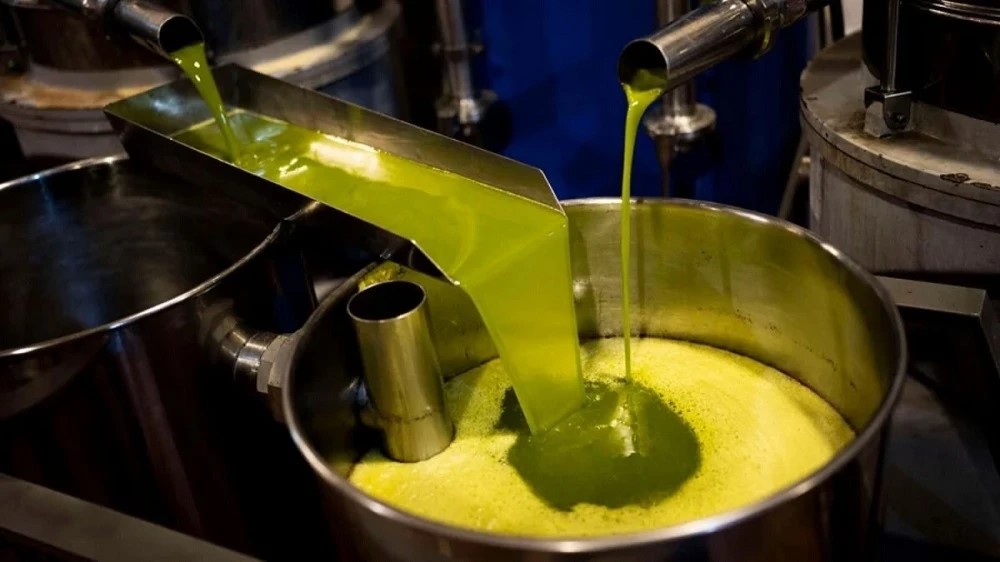
Approximately 99 percent of Jordanian olive presses currently utilize modern technology to process the annual harvest. This widespread adoption of mechanical extraction methods and updated equipment allows facilities to maintain efficiency across the kingdom. The transition toward these advanced systems has been a multi-year effort to ensure that the output meets rigorous standards for purity and flavor. By integrating automated sorting, washing, and cold-pressing machinery, the facilities are able to handle the 30,000-ton target volume within the designated pressing window.
The modernization process extends to the maintenance of the oil, with many presses now employing climate-controlled storage to preserve the integrity of the product after extraction. This infrastructure upgrade is viewed by the General Union of Jordanian Olive Presses and Olive Producers as a vital component of the sector's long-term sustainability. The reliance on modern technology ensures that the extraction process is completed with minimal waste, maximizing the yield for every ton of olives delivered to the mills.
Muhammad Al-Najdawi stated that Jordanian olive oil production benefits from favorable growing environments and cumulative expertise. He attributed the sector's performance to the combination of these environmental factors and the long-term knowledge developed by local producers. The climate in Jordan provides specific conditions that influence the chemical composition and sensory profile of the oil, which the producers have learned to manage through careful cultivation techniques.
The expertise held by local farmers involves precise timing for the harvest, which is essential to achieving the 30,000-ton goal. As the season progresses, the General Union of Jordanian Olive Presses and Olive Producers continues to monitor the flow of olives to ensure that the 99 percent of presses utilizing modern technology remain fully operational. This synergy between traditional agricultural knowledge and contemporary industrial processing remains the cornerstone of the Jordanian olive oil industry as it navigates the 2026/2027 season. Through these collective efforts, the sector aims to uphold the standard of quality that Muhammad Al-Najdawi identified as the hallmark of the national product.