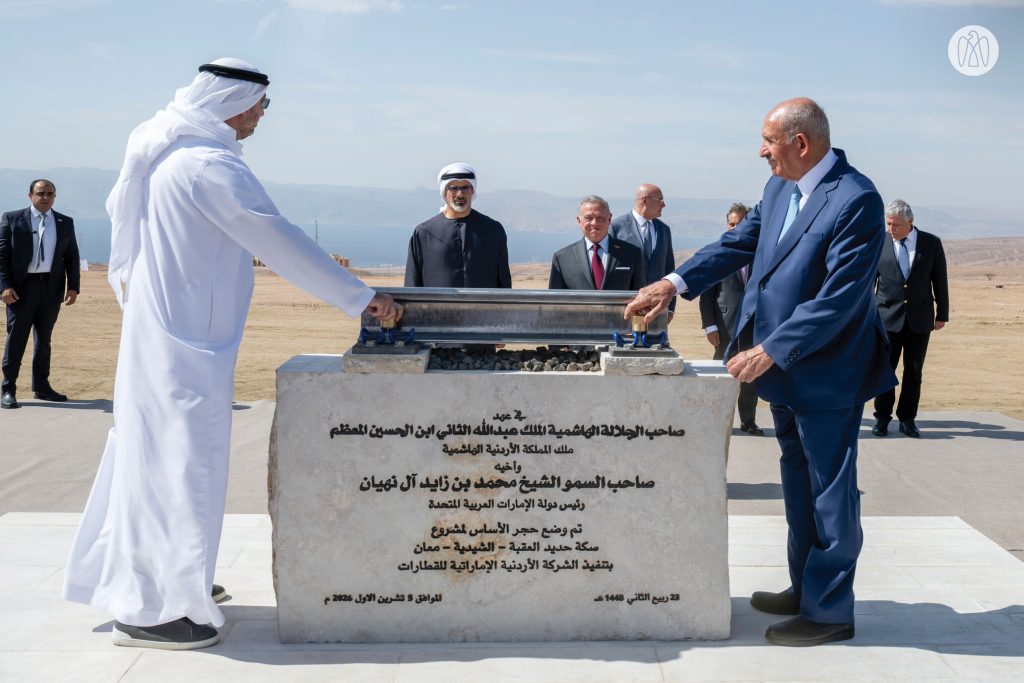
Jordan inaugurated the Aqaba – Al-Shidiyeh – Ma’an Railway Project on 5 October 2026, marking the start of construction with a ceremony in Aqaba. This 403 km network is valued at US$2.5bn and aims to establish a strategic transport link across the kingdom. Shadi Malak, Vice-Chairman of the Jordan-UAE Railway Co, stated regarding the project’s technical development: "Etihad Rail will contribute experience gained from developing and operating the UAE’s national railway network." The initiative relies on expertise from the joint venture to oversee the expansion of the rail infrastructure. Officials expect the line to connect key industrial hubs, facilitating the movement of materials between Aqaba and the inland regions of Al-Shidiyeh and Ma’an.
Infrastructure and Technical Specifications
Engineers have finalized the design specifications for the 403 km network to ensure the rail line traverses Jordan’s varied topography. Construction plans confirm the infrastructure will include 55 bridges to span deep wadis and valleys along the route. Workers will also excavate six tunnels to maintain the necessary track gradient through mountainous terrain between Aqaba and the industrial hubs of Al-Shidiyeh and Ma’an. These technical components remain critical to the operational capacity of the Jordan-UAE Railway Co project. By integrating these structures, the joint venture aims to support heavy freight transit for the Jordan Phosphate Mines Co and the Arab Potash Co. The rail line connects these inland production sites directly to the port of Aqaba for international export.
Economic Impact and Logistics
The railway is estimated to handle 16 million tonnes per annum of mineral traffic. This capacity supports the transportation requirements of the Jordan Phosphate Mines Co and the Arab Potash Co as they move materials toward the port of Aqaba. Project officials expect the line to cut phosphate and potash transport costs by approximately US$40m per year. By streamlining the logistics chain for these major industrial entities, the Jordan-UAE Railway Co intends to improve the efficiency of mineral exports. The reduction in annual expenditures results from the transition to rail freight, which replaces current road haulage methods used by the companies to reach the kingdom's primary maritime gateway.
Employment and Ownership Structure
Project officials expect the development to create 5,000 jobs throughout the construction and operational phases. These employment opportunities include roles in engineering, technical maintenance, and logistics management across the network.
Ownership of the Jordan-UAE Railway Co is divided equally between two primary parties. Abu Dhabi’s L’IMAD Holding maintains a 50 percent stake in the joint venture. Four Jordanian shareholders hold the remaining 50 percent equity interest in the entity. This corporate structure serves as the foundation for the partnership between the UAE and Jordan to manage the rail infrastructure. The joint venture oversees the construction process and the long-term management of the rail line to ensure project timelines are met.