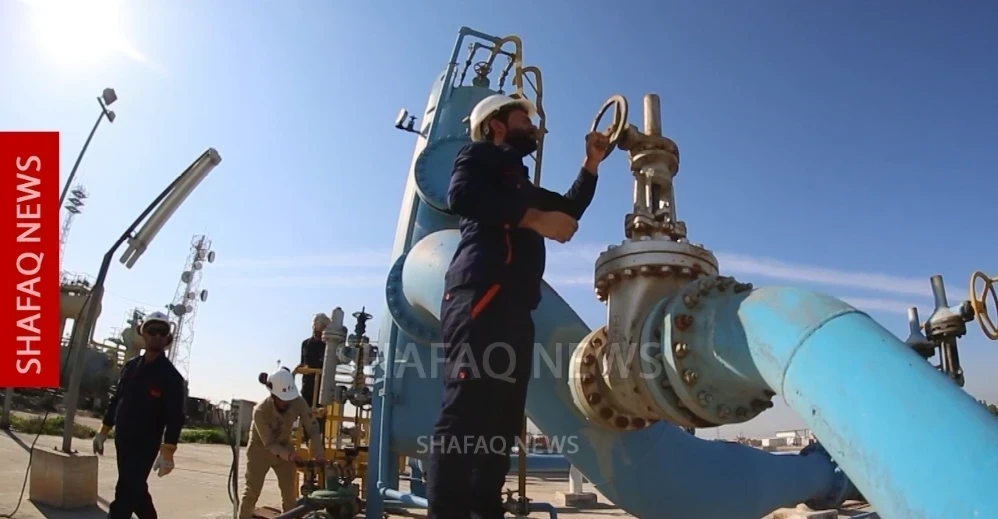
Jordan secures a discount of $4.76 per barrel on crude oil imports from Iraq under a preferential agreement between the two nations. This figure represents nearly 30% of the total $16 discount applied against the monthly average price of Brent crude. The bilateral arrangement facilitates the supply of approximately 10,000 to 15,000 barrels per day of Kirkuk crude to Jordan. These imports are transported to the Zarqa refinery, supporting domestic energy needs through the established pricing mechanism. Baghdad and Amman maintain this supply route to manage fuel costs, with the specific per-barrel savings calculated based on fluctuating international market benchmarks. The volume of oil delivered remains locked within the defined daily range to ensure consistent operational flow for Jordanian energy infrastructure.
Breakdown of Price Discounts
The remaining $11.24 of the $16 discount is divided into specific cost components to reflect transportation and logistical requirements. Overland transportation accounts for $7.75 of this total reduction. Crude quality differences represent a further $3.40 adjustment. Inspection fees comprise the final nine cents of the discount structure. These figures provide the complete breakdown of the financial arrangement applied against the monthly average price of Brent crude. The allocation addresses the operational expenses involved in moving oil from Iraq to the Zarqa refinery while accounting for the technical properties of the supplied product. Each component is integrated into the pricing mechanism maintained by Baghdad and Amman to manage fuel costs for the Jordanian energy infrastructure. The specific distribution of these costs ensures transparency in the bilateral import process.
Port Handling Fee Reductions
Jordan receives a 75% reduction in handling fees for Iraqi goods entering through the Aqaba port. This concession serves as a logistical component of the bilateral trade framework established between Amman and Baghdad. The reduction applies to the various categories of cargo arriving at the facility, aiming to lower the operational expenses associated with the movement of goods from Iraq into Jordan.
Iraqi oil exports to Jordan are currently suspended due to technical issues involving crude specifications. These supply disruptions impact the consistent flow of energy resources previously intended for the Zarqa refinery. The suspension follows difficulties in maintaining the required quality standards for the product being transported across the border.
Iraq offered Basrah Medium crude as an alternative to Kirkuk Light to address the supply gap. Jordan stated its refineries could not process that grade. The technical limitations of the Jordanian energy infrastructure prevent the integration of Basrah Medium crude into the existing processing stream, leading to a stalemate regarding the resumption of shipments. As a result, the two nations remain in discussions to resolve the specification mismatch and restore the regular delivery of petroleum products.