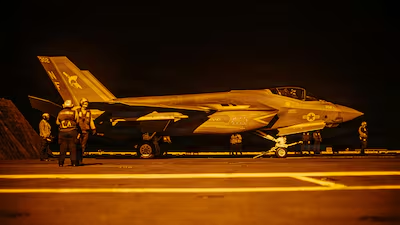
Jordanian forces intercepted eight Iranian ballistic missiles launched at US military bases located on its territory, destroying them before they could cause civilian harm. This direct military exchange occurred as US forces also struck Iranian positions on Larak Island, where Iranian forces were preparing to lay mines in the key Strait of Hormuz shipping lane. These incidents mark the first military confrontation between US and Iranian forces since late July, when Washington had shifted its strategy towards economic pressure.
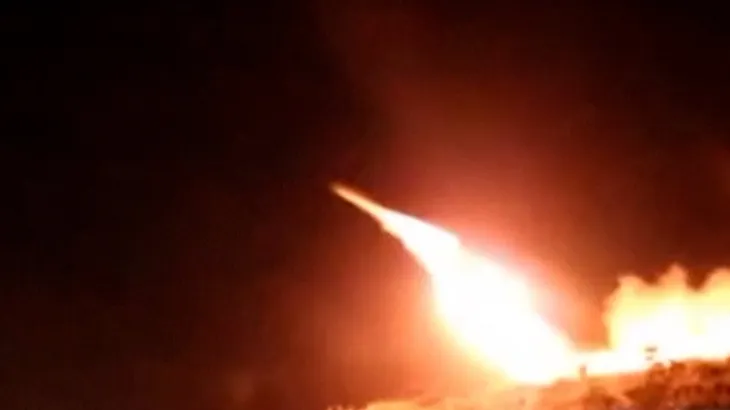
Iran’s Islamic Revolutionary Guard Corps (IRGC) claimed responsibility for the ballistic missile launches, stating they attacked the King Hussein and Al-Azraq airbases in Jordan. The IRGC announced that the attacks had resulted in "the martyrdom and injury of several of our fighters and compatriots" and vowed that such actions would "result in punishment of the aggressor." Concurrently, US forces targeted and struck two Iranian rocket launchers situated on Larak Island, further escalating tensions in the region.
Missile Attack Details
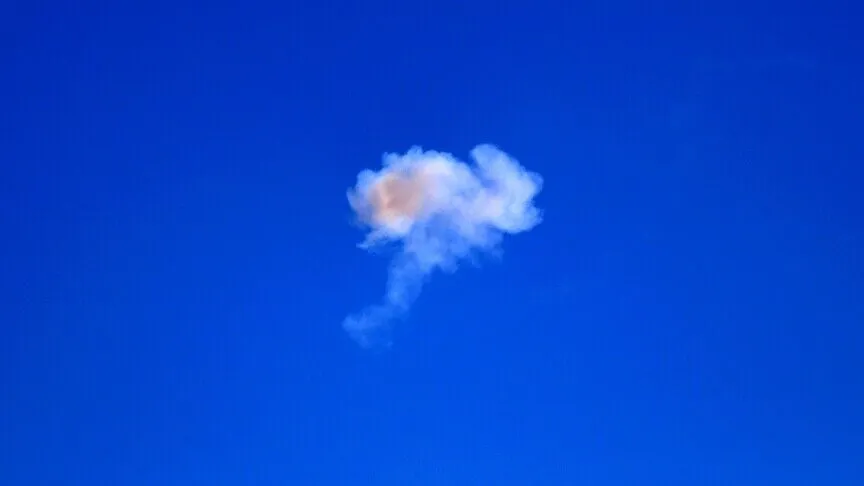
Jordanian air defense systems intercepted eight missiles that entered the kingdom's airspace, according to the Jordanian military. The military stated that these missiles were destroyed before they could pose a threat to civilians or property within Jordan. Iran's Islamic Revolutionary Guard Corps (IRGC) claimed responsibility for the missile strikes, asserting that they targeted technical infrastructure, maintenance facilities, and areas where US fighter jets were stationed at the King Hussein and Al-Azraq airbases in Jordan. The IRGC specifically claimed to have attacked these two US bases in Jordan.
The IRGC also claimed that these attacks resulted in casualties. The group stated that "the martyrdom and injury of several of our fighters and compatriots" occurred. This claim suggests that several fighters and civilians were either killed or wounded during the incidents. The IRGC further declared that such actions would "result in punishment of the aggressor," indicating a resolve to retaliate for perceived aggressions. The specific nature of the technical infrastructure and maintenance facilities reportedly struck by the IRGC was not detailed in their statement. The presence of US fighter jets at these bases was a focal point of the IRGC's claims regarding their targets. The interceptions by Jordanian forces prevented any reported damage or casualties on Jordanian territory from these specific missile launches. Jordan’s military confirmed that the eight Iranian ballistic missiles fired at US military bases on its soil were successfully destroyed before any civilian harm occurred. Jordanian air defence systems were instrumental in intercepting these eight missiles that had penetrated the kingdom’s airspace. The missiles were destroyed before posing a threat to civilians or property, the Jordanian military said.
US Strike on Mine Preparations
The US military's Central Command announced its forces undertook "limited, precise action" against Iranian Islamic Revolutionary Guard Corps (IRGC) mine-laying forces. The Central Command stated these forces posed an imminent threat in the Strait of Hormuz. US military officials clarified the operation's intent was to protect civilian mariners and commercial shipping in the critical waterway. The US military's Central Command explicitly stated that its forces took "limited, precise action" against IRGC mine-laying forces that posed an imminent threat in the Strait of Hormuz. The operation was specifically aimed at protecting civilian mariners and commercial shipping in the vital maritime chokepoint.
A US official further elaborated that the IRGC was preparing to launch rockets carrying sea mines into the strait when US forces initiated their strike. Iranian media reported explosions occurring near Larak Island following these events. These reports align with the US actions targeting Iranian positions in the area. The US struck Iranian forces on Larak Island who were in the process of preparing to lay mines in the critical Strait of Hormuz shipping lane. This action included US forces striking two Iranian rocket launchers located on Larak Island. A US official confirmed that the IRGC was preparing to launch rockets carrying sea mines into the strait when the US struck, aiming to neutralize the imminent threat.
US President Donald Trump had previously issued a warning regarding such activities, stating that any vessel attempting to lay new mines in the Strait of Hormuz would be destroyed. The recent US strike comes after the IRGC claimed responsibility for ballistic missile launches targeting the King Hussein and Al-Azraq airbases in Jordan. The IRGC stated those attacks resulted in "the martyrdom and injury of several of our fighters and compatriots" and vowed that such actions would "result in punishment of the aggressor." This warning from President Trump showed the seriousness with which the US views attempts to disrupt navigation in the Strait of Hormuz.
Broader Conflict Context
The broader conflict, now past the six-month mark, has resulted in thousands of deaths and displaced millions of people. This extended period of instability has also significantly disrupted the Strait of Hormuz, a key shipping route that previously carried approximately a fifth of the global oil supply. The Islamic Revolutionary Guard Corps (IRGC) asserted that the recent US strike would "result in punishment of the aggressor," reiterating their vow of retaliation after acknowledging "the martyrdom and injury of several of our fighters and compatriots." The conflict has passed the six-month mark, leading to widespread humanitarian consequences. Thousands of people have been killed and millions displaced by US and Israeli strikes on Iran and by Israeli attacks in Lebanon. The cumulative impact of these hostilities has also led to the deaths of eighteen US service members.
Washington had previously shifted its strategy in late July, moving away from direct military action towards increasing economic pressure on Tehran. However, the conflict escalated again when the US and Israel launched attacks on Iran on February 28. In response to these actions, Tehran retaliated against Israel and Gulf states that host US military bases. The cumulative impact of US and Israeli strikes on Iran, along with Israeli attacks in Lebanon, has led to thousands of people being killed and millions displaced. Additionally, the ongoing hostilities have resulted in the deaths of eighteen US service members. The Strait of Hormuz, a vital maritime chokepoint, transported about a fifth of the world’s oil supply before the current conflict began, showing the regional and global economic implications of the continued tensions. Washington's shift from military action towards increasing economic pressure on Tehran in late July marked a significant change in strategy, but recent events indicate a return to direct military confrontation. The conflict's duration and scope highlight the profound instability gripping the region, impacting both human lives and global commerce.
Retaliation Warnings
Iran’s Islamic Revolutionary Guard Corps (IRGC) issued a strong warning following the US strike, indicating further retaliatory actions. The IRGC stated that the US strike would "result in punishment of the aggressor," reiterating its vow of retaliation. This declaration came after the IRGC acknowledged that "the martyrdom and injury of several of our fighters and compatriots" occurred during the recent incidents. The group previously claimed responsibility for ballistic missile launches targeting the King Hussein and Al-Azraq airbases in Jordan. The IRGC's statements show a commitment to respond to perceived aggressions, signaling potential for continued escalation in the region. The IRGC noted "the martyrdom and injury of several of our fighters and compatriots," emphasizing the human cost on their side. The IRGC's claim that several fighters and civilians had been killed or wounded further fuels their vow to "result in punishment of the aggressor." This strong rhetoric from the IRGC suggests that the recent military exchanges may not be isolated incidents but rather part of an ongoing cycle of escalation. The direct exchange marks the first military confrontation between US and Iranian forces since late July, when Washington shifted towards economic pressure, indicating a significant shift back towards direct military engagement.