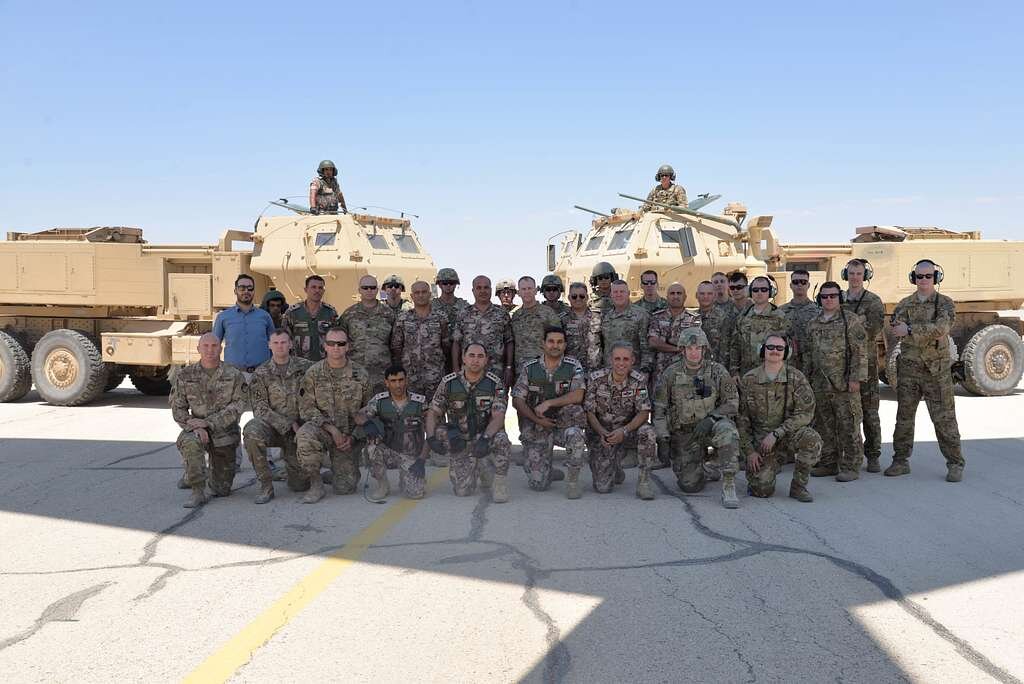
In late July 2026, more than 200 Jordanian political, cultural, academic, tribal, and retired military figures issued an open letter to the government, expressing concern over the ongoing presence of United States forces in the kingdom. This collective action notes growing domestic pressure on Amman regarding its defense ties with Washington. Jordan currently hosts around 4,000 US troops, a figure that has become a significant point of contention amid escalating regional tensions. The signatories urged a full review of existing agreements that permit the deployment of these foreign forces on Jordanian soil, signaling a desire for a re-evaluation of the kingdom's strategic alliances.
Demands for Review of US Ties
The signatories of the open letter called for the immediate withdrawal of all foreign forces from Jordanian territory. They urged the government to either cancel outright or thoroughly review the security and military agreement with the United States. A key demand was also the submission of this agreement to parliament for approval, a move that would significantly increase legislative oversight over defense policy. The letter showed a growing sentiment among a diverse cross-section of Jordanian society that the current arrangement poses risks to national sovereignty and security. Despite the broad appeal and the diverse backgrounds of its signatories, major Jordanian media outlets did not publish the full text of the open letter, limiting its reach within the kingdom's traditional news landscape. Consequently, much of the letter's circulation occurred through social media platforms and various media outlets operating outside Jordan, noting alternative channels for public discourse on the sensitive issue. This distribution method shows the challenges in disseminating such critical viewpoints through conventional local channels and points to the evolving landscape of information sharing in the region.
Security Costs of US Troop Presence
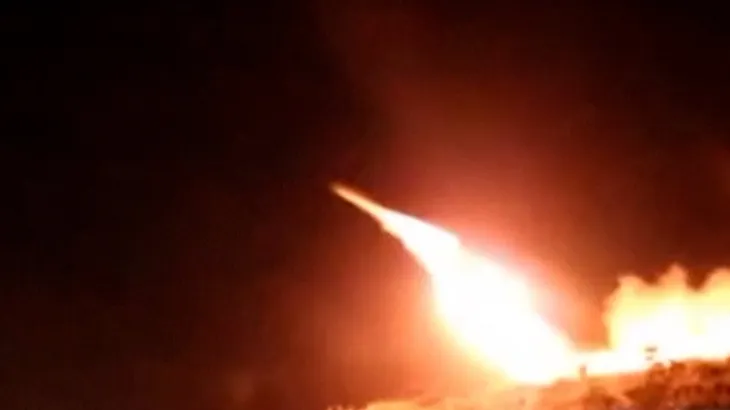
Attacks on American forces stationed in Jordan, including incidents that resulted in the deaths of US service members, reinforced concerns that hosting American troops was effectively turning Jordan into a secondary battlefield in the ongoing regional war. During the conflict, Iranian missiles and drones targeting Israeli or American positions frequently crossed Jordanian airspace. Disturbingly, some of these strikes hit facilities inside the country used by the US military, demonstrating the direct risks posed to Jordanian territory. US Central Command was reporting the deaths of American service members in an Iranian missile and drone attack, further intensifying these security concerns and fueling public debate about the wisdom of maintaining such a significant foreign military presence.
In the aftermath of these attacks, Iran sought to distinguish its dispute from the Jordanian people, framing the issue as primarily with the American military presence in the region. This narrative aimed to isolate the US forces as the primary target, rather than implicating the Jordanian state or its citizens. The Islamic Revolution Guard Corps went further, stating that information regarding the locations of American forces in Jordan had been provided by Jordanian civilians and military personnel, indicating a potential internal dimension to the intelligence gathering that further complicated the security landscape.
Parliamentary Debate and Government Stance
Debate in the Jordanian parliament over the deaths of American soldiers on Jordanian soil became particularly heated, reflecting the gravity of the situation and the depth of public concern. Jordanian Foreign Minister Ayman Safadi emphasized that American personnel in Jordan were present as part of long-standing defense cooperation, showing the historical nature of the alliance. The minister's statement followed significant domestic discussions regarding the presence of foreign forces, aiming to reassure allies while addressing internal pressures. The parliamentary debate reflected growing public and political scrutiny over the security implications of hosting US troops in the kingdom. Lawmakers discussed the country's defense agreements and the direct impact of regional conflicts on Jordanian territory, with many questioning the long-term strategic benefits versus the immediate security liabilities. This intense scrutiny showed the delicate balance the Jordanian government must maintain between its international alliances and domestic public opinion.
Broader Implications for Jordan
The Jordanian government considers the American military presence to be a vital component of its national security framework, viewing it as a deterrent and a source of strategic support. However, critics within the country contend that this presence instead makes Jordan a direct target in regional conflicts and risks dragging the nation into a wider war it seeks to avoid. These differing perspectives highlight a significant internal debate regarding the strategic alignment and security vulnerabilities associated with hosting foreign forces. The government's stance emphasizes stability and deterrence through partnership, while opponents voice profound concerns over potential escalations, the erosion of national sovereignty, and the country's direct involvement in conflicts amidst ongoing regional tensions. This internal division poses a significant challenge for Amman as it navigates complex geopolitical dynamics.