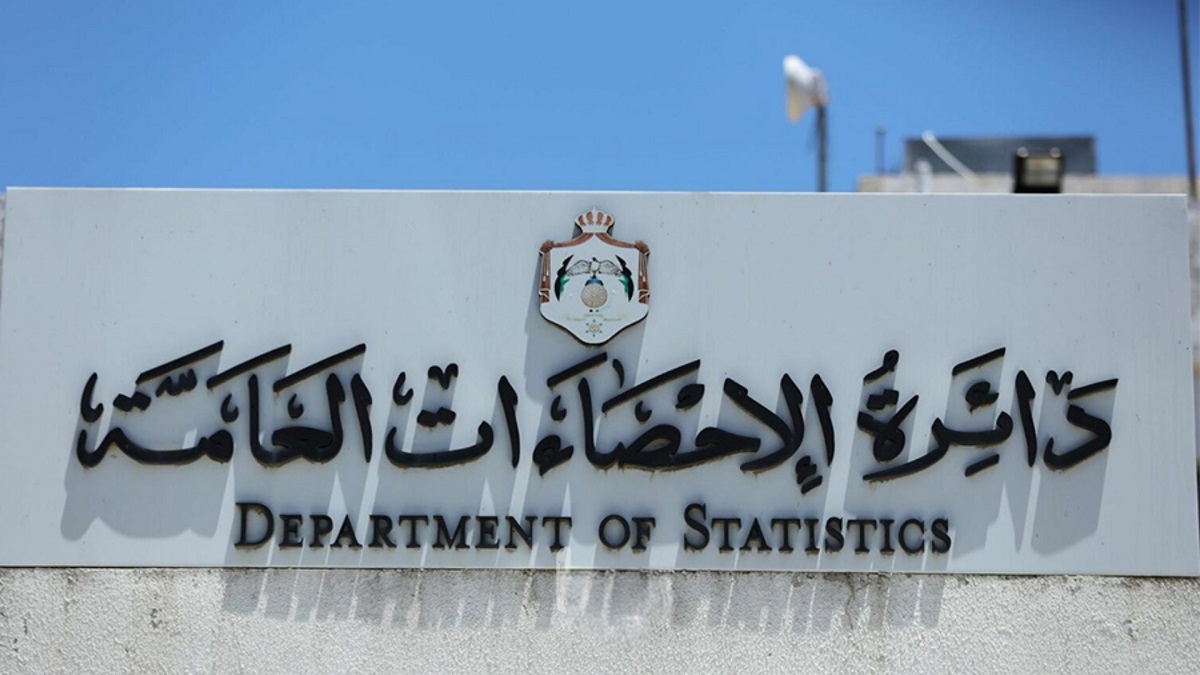
Jordan's national illiteracy rate decreased significantly, falling from 11.0 percent in 2000 to a remarkably low 4.5 percent in 2025. This substantial decline, representing a reduction of more than half over a quarter-century, was noted by the Department of Statistics (DoS), which released findings from its full 2025 Labour Force Survey. The survey's results indicate substantial and sustained progress in literacy efforts across the country over the past two and a half decades, reflecting the impact of various national educational initiatives and strategic planning. This achievement shows Jordan's commitment to enhancing educational attainment and human capital development.
Declining Illiteracy Across Age Groups
A deeper dive into the statistics reveals varying rates across different demographic segments. Illiteracy is lowest among young Jordanians aged 15 to 24, recorded at an impressive 0.7 percent, demonstrating the effectiveness of modern schooling systems. This low rate among the youth is a positive indicator for the future workforce and societal development. Conversely, the highest concentration of illiteracy is observed among adults aged 65 and older, standing at 21.7 percent. This figure points to historical educational disparities and the challenges of reaching older generations who may not have had access to formal education in their youth.
Further analysis of the economically active population provides additional insights into the distribution of literacy. Illiteracy rates are notably low, at 0.4 percent, for employed individuals aged 15 and above, suggesting that literacy is a key factor for employment opportunities. The rate for the unemployed is slightly lower at 0.3 percent, indicating that while literacy is important, other factors also contribute to employment status. However, the rate rises significantly to 6.7 percent for economically inactive individuals, a group that includes homemakers, retirees, and those not seeking employment, often reflecting a segment with less access to or need for formal education in their daily lives. These statistics collectively paint a detailed picture of literacy levels across Jordan's diverse population.
Education Participation and Efforts
Ministry of Education data for 2024 further illustrates the country's commitment to education and training. The data indicated that participation rates in formal and non-formal education and training among individuals aged 15 and above reached 40.5 percent. This figure comprised 35.5 percent for males and 45.5 percent for females, reflecting strong engagement in various educational initiatives across genders. The higher participation rate among females notes successful efforts to empower women through education and skills development. These programs encompass a wide range of learning opportunities, from vocational training to adult learning courses, all designed to enhance skills and improve quality of life. The government's continued investment in these educational pathways is key for maintaining the positive trajectory seen in literacy rates.
UNESCO actively assists Jordan in its efforts to curb adult illiteracy, recognizing the country's dedication to this critical area of development. The international organization is collaborating closely with the Hashemite Kingdom to achieve its ambitious goal of significantly reducing adult illiteracy by the year 2030, aligning with global educational targets. This partnership involves supporting national programs and strategies aimed at expanding educational access, improving teaching methodologies, and developing relevant learning materials for adult learners. UNESCO’s expertise and resources are instrumental in strengthening Jordan’s capacity to address the remaining challenges in adult literacy.
Global Context and Significance
International Literacy Day is observed annually on September 8, serving as a global platform to highlight the ongoing commitment to literacy worldwide. This observance shows the universal importance of reading and writing skills for individual empowerment and societal progress. Eradicating illiteracy stands as a core objective within the United Nations' Sustainable Development Goals (SDGs), specifically targeted under SDG 4, which aims to ensure inclusive and equitable quality education and promote lifelong learning opportunities for all. The global community recognizes that literacy is not merely about reading and writing; it is a fundamental human right and a prerequisite for achieving broader development goals, including poverty reduction, improved health, and gender equality.
The observance of International Literacy Day serves as a poignant reminder of the developmental barriers posed by illiteracy worldwide, reinforcing the importance of sustained educational initiatives at both national and international levels. Illiteracy can hinder economic growth, limit social participation, and perpetuate cycles of disadvantage within communities. Therefore, progress in literacy is often seen as a cornerstone for building more equitable and prosperous societies. These global efforts show the broader significance of national progress, such as that achieved by Jordan in reducing its illiteracy rate, setting an example for other nations striving to enhance their educational landscapes and improve the lives of their citizens. Jordan's success contributes meaningfully to the global agenda for sustainable development and human well-being.