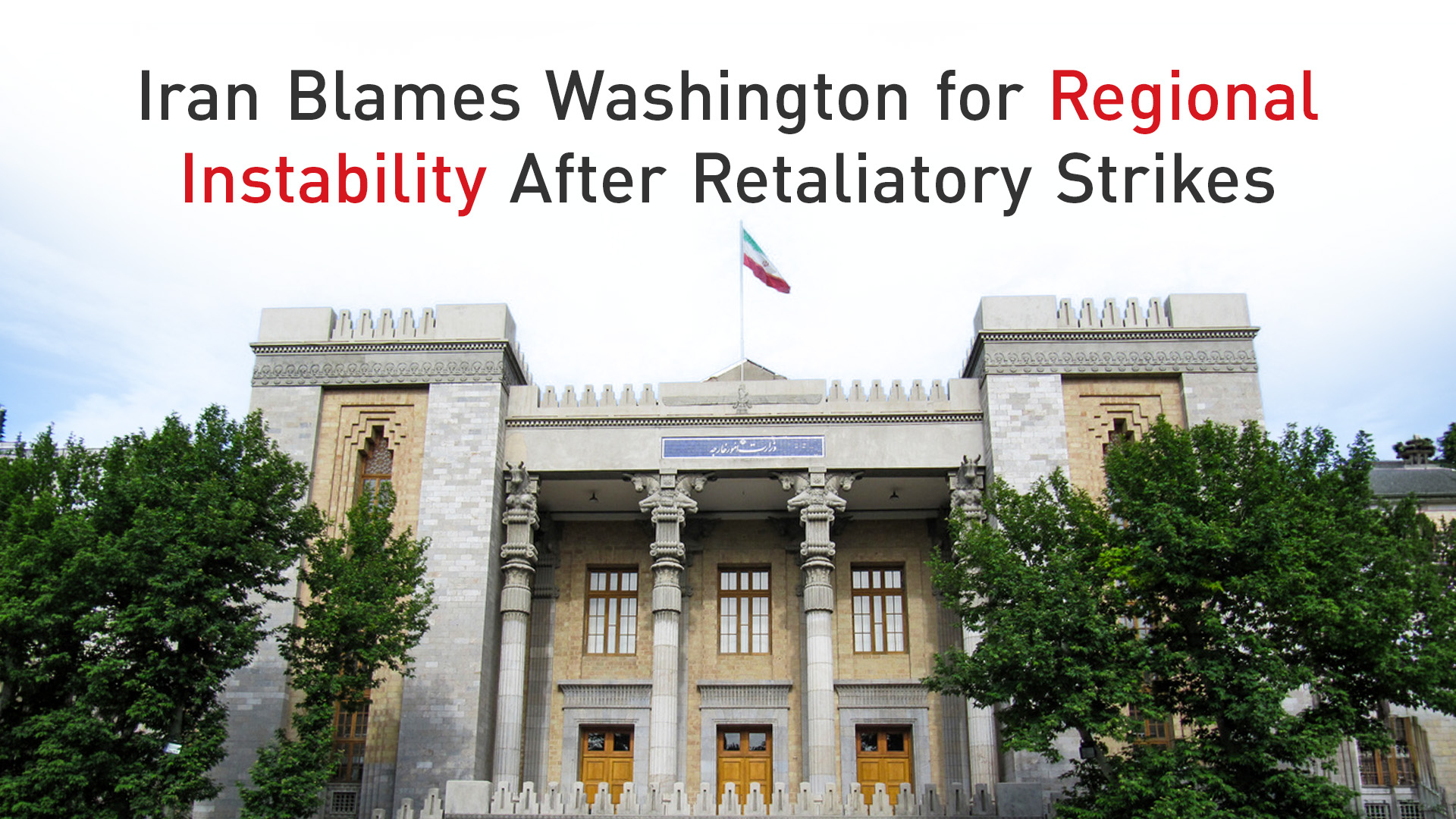
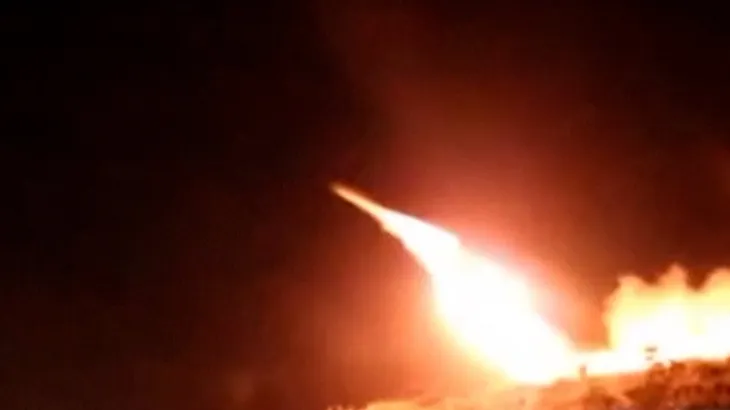
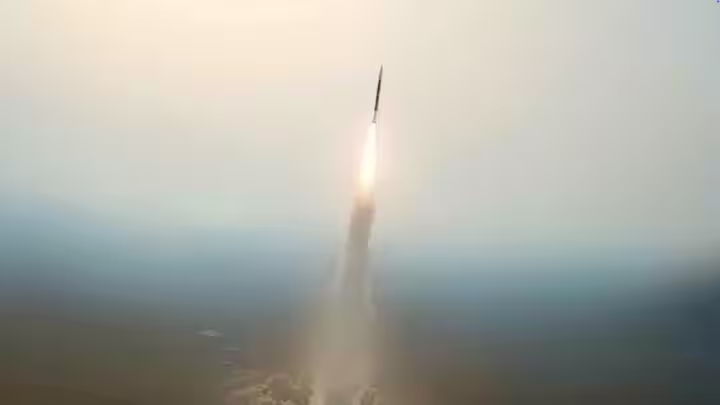
Iran's Islamic Revolution Guard Corps (IRGC) announced Monday it launched a combined missile and drone strike targeting U.S. Air bases in Jordan. The IRGC stated the attacks were in retaliation for U.S.-Israeli aerial assaults on Iran's Larak Island the previous night. On Sunday, U.S. Forces had struck two Iranian launchers located on Larak Island. The IRGC claimed that multiple military personnel and civilians were killed or wounded in the 'U.S.-Israeli' attack on Larak Island, which is situated in Hormozgan province. This retaliatory strike by Iran's Islamic Revolution Guard Corps on U.S. Air bases in Jordan marks a significant escalation in regional tensions. The IRGC's statement on Monday confirmed the launch of the combined missile and drone strike, directly linking it to the U.S.-Israeli aerial attacks that occurred on Larak Island on Sunday night.
Details of Jordan Strike
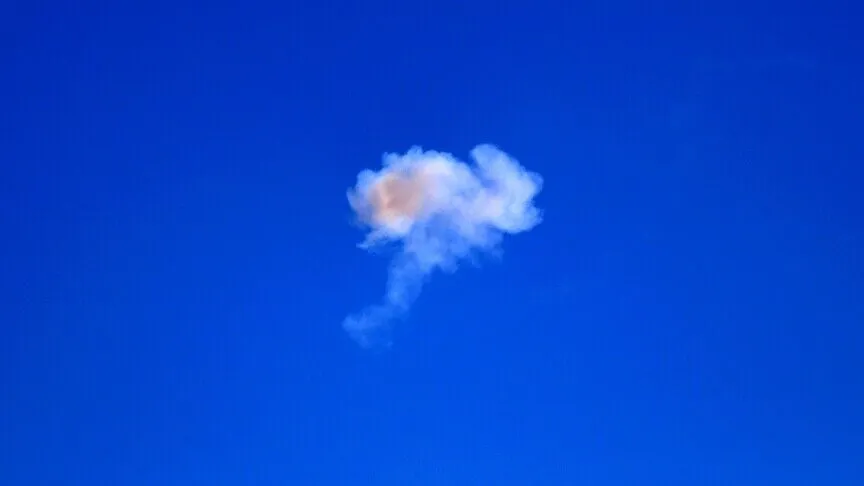
The Iranian military targeted "technical and maintenance infrastructure" at the King Hussein and Al-Azraq U.S. Bases in Jordan, according to statements from Iranian sources. These strikes also aimed at areas where "enemy fighter jets" were stationed. Reports indicated that the attacks inflicted heavy damage on the bases. The IRGC's operation followed alleged U.S.-Israeli aerial assaults on Iran's Larak Island. While Iranian state media described significant damage, U.S. Central Command has not yet released a detailed assessment of the impact on its facilities in Jordan. The specific types of missiles and drones used in the combined strike were not immediately disclosed by the IRGC, leaving the full extent of the operation's technical details unclear. The targeting of infrastructure and fighter jet locations suggests an attempt to degrade operational capabilities at the U.S. Installations.
Retaliation and Warnings
The Islamic Revolution Guard Corps (IRGC) issued a warning that hostile actions would not diminish Iran's control over the Strait of Hormuz. The IRGC added that any subsequent attacks would be met with an even more severe response from Tehran. This warning shows Iran's resolve to protect its strategic interests and maintain its influence in the vital waterway. Larak Island, the site of the alleged U.S.-Israeli aerial assaults, is a small Iranian island situated off the coast of Bandar Abbas. It lies east of Qeshm Island and south of Hormuz Island, strategically located near the entrance to the Persian Gulf. The IRGC's statements showed its resolve following the strikes, emphasizing that further aggression would provoke a harsher reaction. The geographical significance of Larak Island, being so close to the Strait of Hormuz, notes the strategic implications of any military action in the area.
U.S. Response and Context
The U.S. Strike on Larak Island represented the first known U.S. Military action against Iran since late July. This long gap between direct engagements adds a layer of significance to the recent events. Meanwhile, Iran's semi-official Tasnim news agency, citing unofficial reports, stated that at least two people were killed and two others injured during the U.S. "drone attack" on Larak Island. These unofficial reports from Tasnim news agency provide a specific casualty count, though they remain unverified by independent sources. The U.S. Military has not yet confirmed any casualties on Larak Island. The timing of these events, with U.S. Forces striking Iranian launchers on Sunday and Iran retaliating on Monday, points to a rapid escalation cycle.
Strait of Hormuz Tensions
The Islamic Revolution Guard Corps (IRGC) warned that hostile actions would not diminish Iran's control over the Strait of Hormuz. Larak Island, where alleged U.S.-Israeli aerial assaults occurred, is strategically located near the entrance to the Persian Gulf, off the coast of Bandar Abbas, east of Qeshm Island and south of Hormuz Island. This strategic positioning makes any military activity around Larak Island particularly sensitive, given its proximity to one of the world's most critical oil transit chokepoints. The IRGC's explicit warning about maintaining control over the Strait of Hormuz signals the high stakes involved in the ongoing tensions, indicating that Iran views any challenge to its regional dominance as a serious provocation.