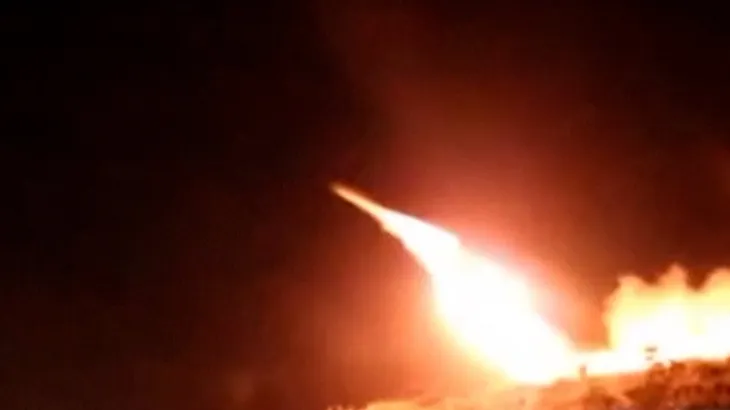
Iran launched drone attacks targeting the United Arab Emirates and Jordan, initiating a series of events that have drawn widespread international condemnation. Specifically, a drone aimed at the United Arab Emirates was intercepted by air defense systems over its territorial waters on August 31, 2026, at 13:58. This incident, along with attacks targeting Jordan, has been met with strong reactions from regional and international bodies. The UAE described the attack as a "dangerous escalation," unequivocally condemning and rejecting it under all legal and humanitarian norms. The UAE emphasized that it "would not tolerate any threat to its security and sovereignty." It stated that it reserved the right to respond to these attacks in a manner that ensured the protection of its sovereignty, national security, territorial integrity, and the safety of its citizens, residents, and visitors, in accordance with international law. The UAE also condemned attacks targeting Jordan, describing them as a flagrant violation of the country’s sovereignty and a threat to its security and stability. The UAE holds Iran "fully responsible for these attacks and their repercussions."
UAE Denounces Aggression
The United Arab Emirates Ministry of Foreign Affairs characterized the drone attacks as a dangerous escalation, an unacceptable act of aggression, and a direct threat to the UAE’s security, stability, and territorial integrity. The Ministry stated that the attacks violated the principles of international law and the Charter of the United Nations. This strong condemnation showed the gravity with which the UAE views these actions. The UAE reiterated that it "would not tolerate any threat to its security and sovereignty," making it clear that such incursions would not be overlooked. The nation also affirmed its right to respond to these attacks, asserting its sovereign prerogative. It said it reserved the right to respond to these attacks in a manner that ensured the protection of its sovereignty, national security, territorial integrity and the safety of its citizens, residents and visitors, in accordance with international law. This stance notes the UAE's commitment to safeguarding its borders and its populace.
The Ministry of Foreign Affairs further stated that the attack was unequivocally condemned and rejected under all legal and humanitarian norms, stressing the urgent need to immediately halt these attacks and ensure full compliance with the cessation of all hostilities. The Ministry's statement showed the humanitarian implications of such actions, beyond just the legal and security aspects. The UAE holds Iran fully responsible for these attacks and their repercussions, demanding accountability for the aggressive acts. The UAE reported that 580 drones were involved in the incidents, indicating a significant and coordinated series of attacks. The interception of the drone over its territorial waters on August 31, 2026, at 13:58, was a critical moment, preventing potential damage or casualties within the UAE. The Ministry's full statement, initially made on August 31, 2026, was updated at 15:03 on the same day, reflecting the ongoing assessment and response to the situation.
Regional Alliances Respond
Gulf Cooperation Council (GCC) Secretary-General Jasem Mohamed Al-Budaiwi condemned the use of a drone against the United Arab Emirates, echoing the strong sentiments expressed by the UAE itself. Al-Budaiwi stated the drone use "constituted a dangerous escalation, a flagrant violation of the sovereignty, security, and stability of the UAE, as well as a direct threat to the safety of its citizens and residents." His remarks emphasized the regional concern over such aggressive actions and their potential to destabilize the Gulf. He affirmed that GCC nations would "stand united" alongside the UAE in the face of anything that threatened its security, sovereignty, and territorial integrity, demonstrating a unified front among member states. Al-Budaiwi called for an immediate cessation of the attacks and hostile acts by Iran, holding it fully responsible for their repercussions, aligning with the UAE's demand for accountability. The GCC's stance shows the collective security framework among its members, providing a strong regional voice against external threats.
Kuwait's Ministry of Foreign Affairs also condemned Iran's attack on the UAE on Monday, expressing its solidarity with its regional partner. The Ministry reiterated its full solidarity with the UAE and affirmed its support and backing for all measures it takes to safeguard its sovereignty and protect its security and territorial integrity. This statement from Kuwait further reinforces the regional consensus against Iran's actions. The UAE previously stated that it "would not tolerate any threat to its security and sovereignty" and that "the attack was unequivocally condemned and rejected under all legal and humanitarian norms, stressing the need to immediately halt these attacks and ensure full compliance with the cessation of all hostilities." It added, "The UAE holds Iran fully responsible for these attacks and their repercussions." The UAE emphasized its right to respond, stating it "reserved the right to respond to these attacks in a manner that ensured the protection of its sovereignty, national security, territorial integrity and the safety of its citizens, residents and visitors, in accordance with international law." These repeated affirmations highlight the consistent and firm position adopted by the UAE and its allies in the face of these drone attacks.
International Law and Sovereignty
The United States Department of State affirmed that the drone attacks on the UAE and Jordan constituted a clear violation of international law and the national sovereignty of both nations. This strong condemnation from a major global power adds significant weight to the international response. The department stated that the attacks undermined regional stability and security, pointing to the broader implications of such aggressive acts for the Middle East. It emphasized that such actions are unacceptable and called for an immediate cessation of hostile activities, urging restraint from all parties involved. The United States reiterated its unwavering commitment to the security of its partners in the region, providing reassurance to the UAE and Jordan. The Department of State expressed solidarity with the UAE and Jordan, affirming support for their right to self-defense and their efforts to protect their sovereignty and territorial integrity. This support is key for nations facing external aggression.
It stressed the importance of upholding international norms that prohibit acts of aggression against sovereign states, reinforcing the principles of global governance. The department noted that the international community must condemn these violations and work collectively to ensure accountability for those responsible, advocating for a unified global response. It urged all parties to exercise restraint and engage in de-escalation to prevent further destabilization in the Middle East, emphasizing the need for diplomatic solutions. The department also noted that these incidents show the need for adherence to the principles of peaceful coexistence and non-interference in the internal affairs of other states, foundational tenets of international relations. The international community, the department stated, views these drone attacks as a serious breach of peace and security, signaling a collective understanding of the gravity of Iran's actions. The specific interception of the drone over UAE territorial waters on August 31, 2026, at 13:58, served as a tangible example of the direct threat posed by these violations.